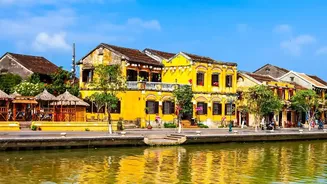




Beyond the bustling streets of Hanoi and the iconic waters of Ha Long Bay lies a quieter, more tranquil Vietnam. For travellers seeking sun, sand, and serenity away from the crowds, the country’s long coastline is dotted with undiscovered jewels.
Quy Nhon: The Unspoiled City Beach
Often
described as what Da Nang might have felt like 20 years ago, Quy Nhon is a refreshing alternative to Vietnam’s more developed coastal cities. This is a living, breathing Vietnamese city wrapped around a beautiful bay, where the vibe is relaxed and authentically local. While the main city beach is a lovely stretch of sand for evening strolls, the real magic lies just a short drive away. Head to Ky Co Beach, often dubbed the 'Maldives of Vietnam', for its powdery white sand and pristine turquoise water. Nearby, the dramatic cliffs of Eo Gio offer breathtaking coastal viewpoints. Unlike more saturated tourist hubs, Quy Nhon offers a balanced blend of natural beauty, ancient history with its nearby Cham towers, and a laid-back city atmosphere without the overwhelming crowds.
Con Dao Islands: Remote and Protected Paradise
For those willing to trade convenience for profound character, the Con Dao archipelago is an unparalleled escape. Located about 230 km south of Ho Chi Minh City, this group of 16 islands is a world away from the mainland's pace. Largely protected as a national park, the islands boast wonderfully preserved nature, from lush forests to vibrant coral reefs. The beaches here are some of the most peaceful in Vietnam, with even those near the main town feeling remarkably uncrowded. But Con Dao is more than just a beach destination; it has a powerful history centred around its former prison complex, which adds a layer of depth to any visit. It is an ideal choice for travellers who value hiking, snorkelling with sea turtles, and quiet reflection in a landscape that feels refreshingly untouched.
Lan Ha Bay: The Calmer Ha Long
While Ha Long Bay is iconic, its popularity can sometimes mean crowds. For a near-identical landscape with a more serene atmosphere, look to Lan Ha Bay. Located just to the southwest, around Cat Ba Island, Lan Ha Bay features the same stunning limestone karsts and emerald waters but with far fewer tourist boats. This bay often feels more intimate, with narrow channels leading to smaller, secluded coves and sandy beaches tucked beneath cliffs. It is widely considered a better choice for activities like kayaking and swimming, allowing for more personal exploration of the seascape. An overnight cruise here offers the chance to wake up surrounded by towering karsts in relative peace, making it a perfect alternative for those wanting the classic Vietnam scenery without the hustle.
Doc Let: The Gentle, Shallow Shore
Just an hour north of the bustling resort city of Nha Trang lies Doc Let, a stretch of coastline that feels like a whispered secret. Its defining feature is the extraordinarily shallow and gentle sea, where you can walk dozens of metres into the calm, turquoise water. This makes it one of the most serene and swimmer-friendly beaches in Vietnam, ideal for families or anyone preferring stillness over strong waves. The area has avoided large-scale development, maintaining a humble village rhythm where the pace of life follows the tide. A trip here can be combined with visits to the nearby Hon Khoi salt fields, where you can witness the traditional salt-making process, or a boat trip to the quiet Hon Heo peninsula.
Bai Xep: A Tiny Fishing Village with Charm
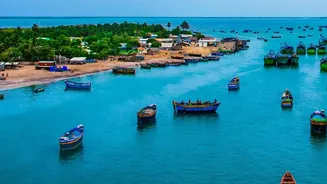
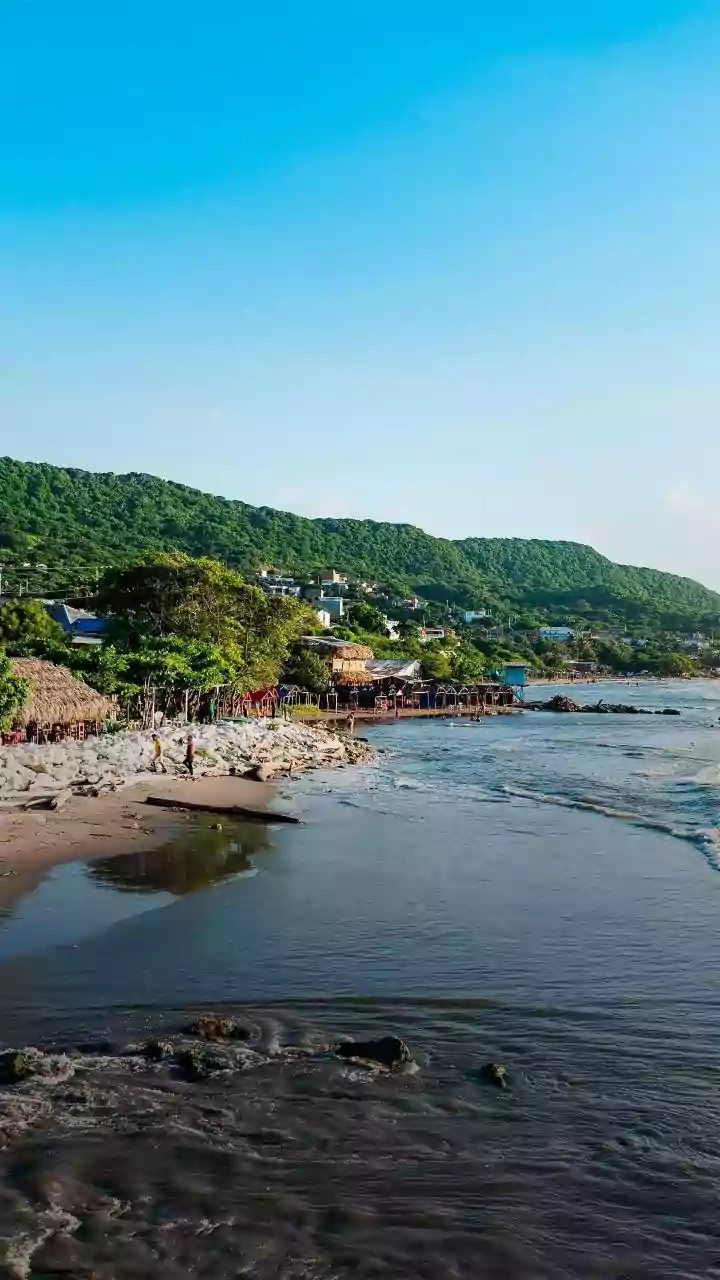
Once a well-kept secret, Bai Xep (near Quy Nhon) has gained fame but retains its pristine, peaceful beauty. This small fishing village is home to a roughly 500-metre-long beach of fine golden sand, bookended by rocky headlands. What makes Bai Xep special is its authentic atmosphere; life here is simple and connected to the sea. Visitors can relax on the quiet beach, stroll through the village, or hike up to Ghenh Ong, a grassy hill offering sweeping views of the wild coastline. While it can get busier during peak season, it remains a tranquil spot for much of the year, offering a glimpse into the traditional livelihoods of a coastal community.