





The Perseid Meteor Shower: A Summer Spectacle
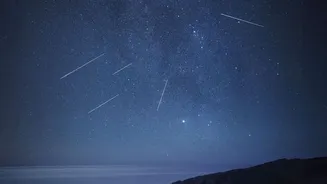
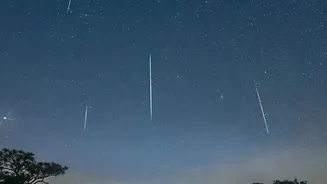
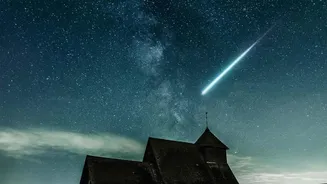
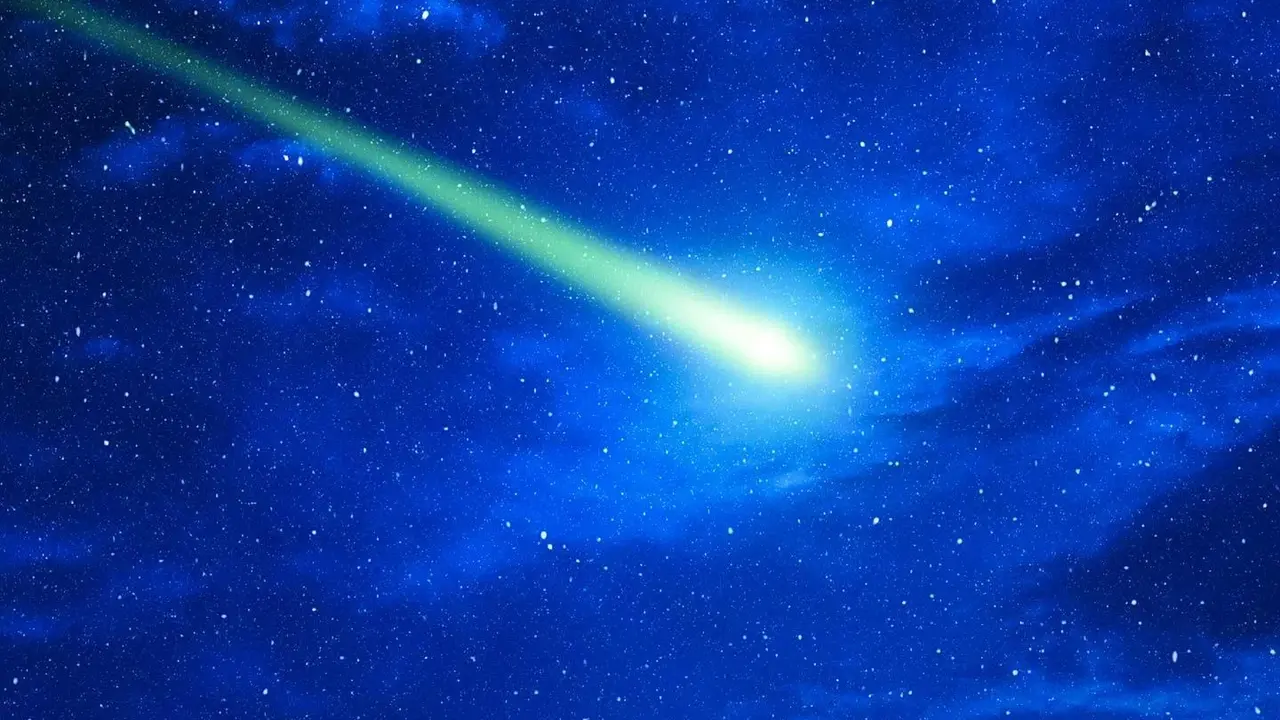
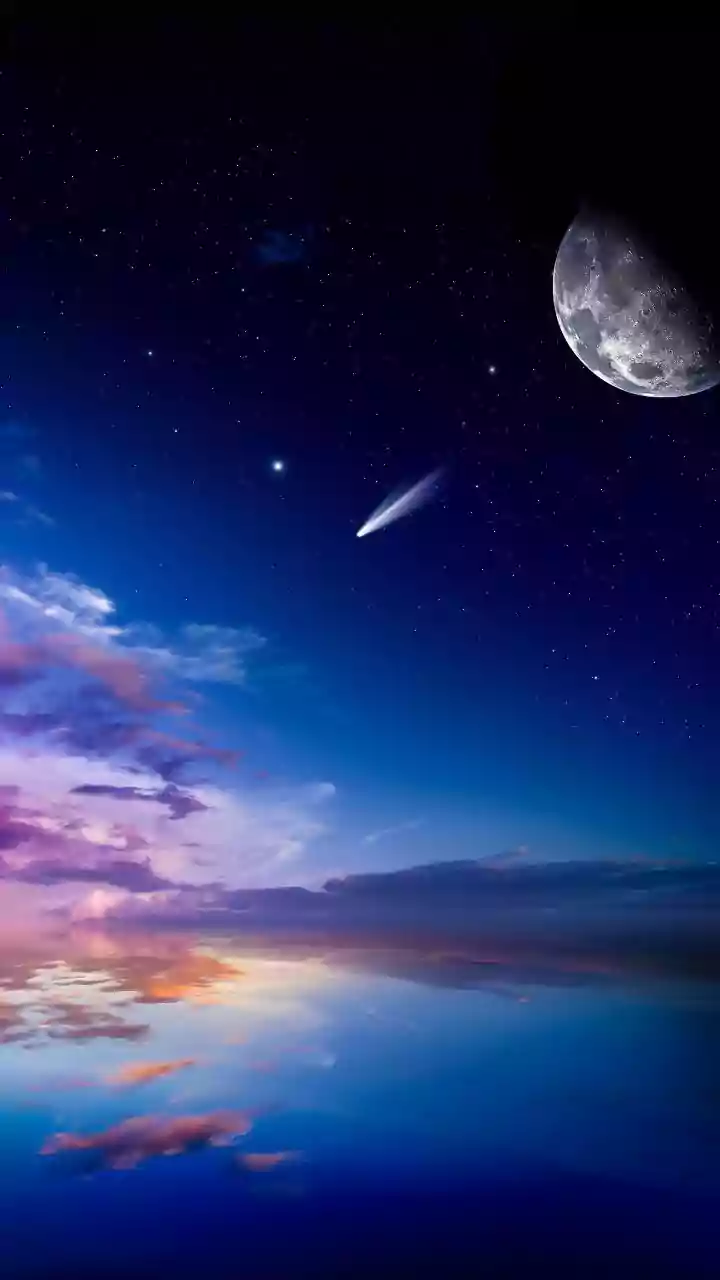
Every August, Earth passes through the trail of debris left by Comet Swift-Tuttle, resulting in the Perseid meteor shower. This year, the show is set to be particularly dazzling, peaking on the nights of August 12th and 13th. With the moon in a favorable
phase, the sky will be extra dark, allowing even faint meteors to shine. Observers in ideal locations could see between 50 to 100 meteors per hour. While the monsoon can be a challenge across much of India, certain high-altitude and rain-shadow regions offer a clear window to this cosmic event. The best viewing time is from midnight until dawn, so prepare for a late night.
Hanle, Ladakh: India's Official Dark Sky Sanctuary
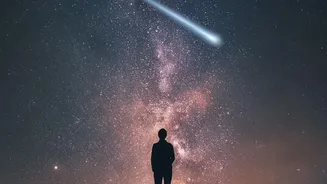
For the ultimate stargazing experience, Hanle in Ladakh is unparalleled. Situated at an altitude of over 14,000 feet, it is home to India's first officially designated Dark Sky Reserve, meaning light pollution is actively minimised. Its high altitude, dry air, and over 300 clear nights a year provide some of the purest skies on the planet. Here, the Milky Way is so bright it can cast a faint shadow. Hanle is not just a location; it's a sanctuary for astronomers and home to the Indian Astronomical Observatory. Local youth are even trained as 'Astronomy Ambassadors' to guide visitors through the cosmos.
Spiti Valley, Himachal Pradesh: A High-Altitude Desert Canvas
Like Ladakh, Spiti Valley is a cold desert in the Himalayas that benefits from being in a rain-shadow area, making it an excellent choice for watching the August Perseids. At elevations around 12,500 feet, remote villages like Komic, Langza, and Kibber offer near-perfect dark skies. The thin, crisp air and minimal population create a high-definition stargazing experience. The months from June to September provide the best balance of accessibility and clear nights, aligning perfectly with the meteor shower season. It's a destination for those willing to travel for a truly breathtaking view of the universe.
Rann of Kutch, Gujarat: A White Desert Horizon
The vast, flat expanse of the Great Rann of Kutch offers a unique stargazing theatre. Its remote location, far from major cities, ensures exceptionally dark skies with virtually zero light pollution. The featureless salt desert landscape provides a stunning 180-degree, horizon-to-horizon view, making it feel like you are standing under a dome of stars. While the best season is typically winter during the Rann Utsav, the region is a rain-shadow area, offering a potential window for meteor watching in August as well. Places like Dhordo and Kala Dungar (Black Hill) are prime spots.
Coorg, Karnataka: Stargazing in the Southern Ghats
For those in South India, Coorg provides an accessible escape from city lights. Nestled in the Western Ghats, the region's coffee plantations and hills create pockets of deep darkness, far from urban glow. The southern valleys near Srimangala and the Brahmagiri foothills are particularly dark, achieving Bortle Class 2 skies, where the Milky Way is easily visible to the naked eye. While monsoon is a factor, clear breaks in the weather can reveal a stunning celestial display. High points like Tadiandamol Peak offer an even more unobstructed view of the cosmos.
Neil Island, Andamans: A Cosmic Ocean View
Imagine watching meteor trails with the sound of ocean waves in the background. Neil Island (Shaheed Dweep) in the Andamans offers just that. Its remote location in the Bay of Bengal means there is virtually no light pollution, providing some of the clearest skies in India. The wide, open horizons at beaches like Sitapur and Bharatpur are perfect for lying back and taking in the entire celestial canopy. On a clear night, the Milky Way rising over the ocean is a truly magical sight.
Tips for the Perfect Meteor Watch
To make the most of your stargazing night, no special equipment is needed; the best views are with the naked eye. Find a comfortable spot, preferably lying on a blanket or reclining chair, to get the widest view of the sky. Give your eyes at least 20-30 minutes to fully adapt to the darkness, which means avoiding your phone screen completely. Pack warm clothes, as temperatures can drop significantly at night, even in summer. Finally, be patient. Meteors often come in spurts, and the wait is part of the experience.