






Peak Flavour and Better Nutrition
There’s a reason a summer mango tastes incomparably better than one found in winter. Produce harvested at its peak is naturally ripened, making it sweeter, juicier, and more flavourful. This isn't just a treat for your taste buds; it's better for your body.
Fruits and vegetables accumulate the highest levels of vitamins and antioxidants when they are allowed to mature fully in their natural growing season. Produce that is picked prematurely and transported over long distances never develops its full nutritional potential. Furthermore, the longer an item is in transit or storage, the more its nutrients, like Vitamin C and folate, begin to degrade. By choosing what's in season, you're getting food as nature intended: packed with both flavour and essential nutrients.
Significant Savings for Your Wallet
One of the most immediate benefits of seasonal shopping is the relief you'll feel at the checkout counter. The basic economic principle of supply and demand is at play: when a fruit or vegetable is in season, it is abundant, and this surplus drives prices down. Farmers harvest these crops in large quantities, reducing the cost for everyone. Conversely, off-season produce is more expensive because of the extra costs involved, such as transportation from other regions, artificial ripening, and long-term cold storage. Opting for seasonal gourds, spinach, and carrots instead of expensive imported broccoli or bell peppers can make a substantial difference in your weekly budget.
A Lighter Environmental Footprint
Your smart shopping choices can also contribute to a healthier planet. Eating seasonally often means eating more locally. This drastically reduces "food miles"—the distance food travels from the farm to your plate—which in turn lowers greenhouse gas emissions from transportation. Out-of-season demand requires energy-intensive practices like heated greenhouses and extensive refrigeration to grow and preserve produce. By aligning your diet with the natural calendar, you decrease the demand for these unsustainable methods, supporting a food system that works with the environment, not against it. This approach also encourages agricultural biodiversity, as farmers are motivated to grow a wider variety of crops.
How to Start Shopping Seasonally
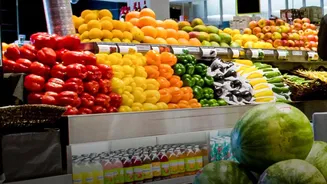
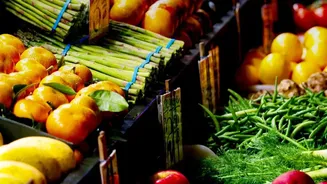
Making the switch is easier than you think. Start by observing what's plentiful and cheap at your local sabzi mandi or farmer's market; that's your best clue for what's in season. Familiarise yourself with India's distinct seasons and their bounty: summers for mangoes, watermelon, and melons; the monsoon for jamun and gourds; and winters for citrus fruits, carrots, and leafy greens. Plan your weekly meals around these ingredients. Instead of searching for a specific vegetable for a recipe, find a recipe that uses the vegetables you have. Buying in bulk when produce is at its peak is another smart move. You can cook and freeze portions for later, saving both time and money.