



Rajasthan's capital, Jaipur, has earned a coveted spot on National Geographic's 'Best of the World' list for 2027. This timely recognition shines a global spotlight on a city that masterfully blends ancient grandeur with a vibrant, living culture.
A Milestone Worth a Visit
The
timing for this accolade is no coincidence. In 2027, Jaipur will celebrate the 300th anniversary of its founding in 1727 by Maharaja Sawai Jai Singh II. This tricentennial promises a year of special events and cultural showcases, offering visitors a unique opportunity to see the Pink City at its most festive. National Geographic's selection was also influenced by the 20th anniversary edition of the world-renowned Jaipur Literature Festival, scheduled for January 2027, which annually draws hundreds of thousands of literary enthusiasts. These milestones converge to make 2027 an unparalleled year for experiencing the city's rich heritage.
Architectural Grandeur at Every Turn
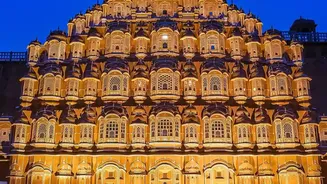
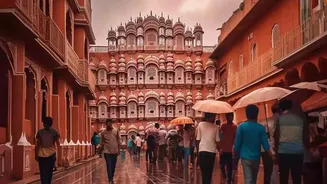
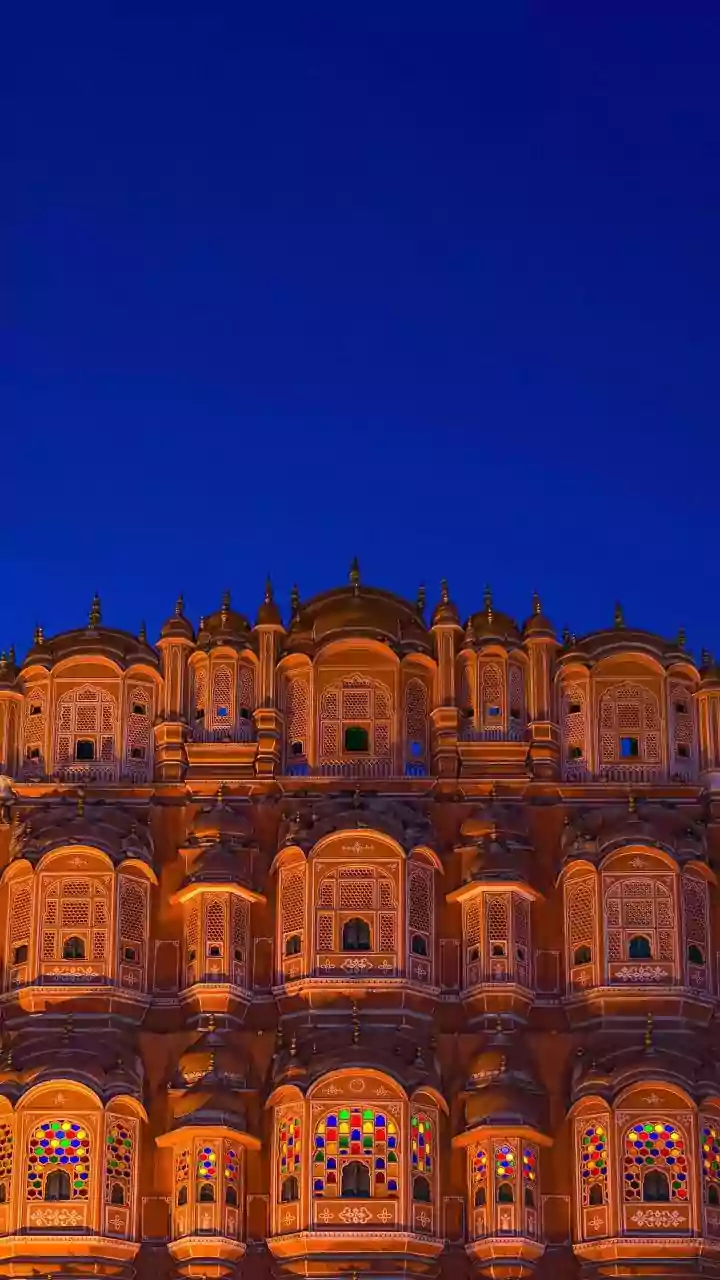
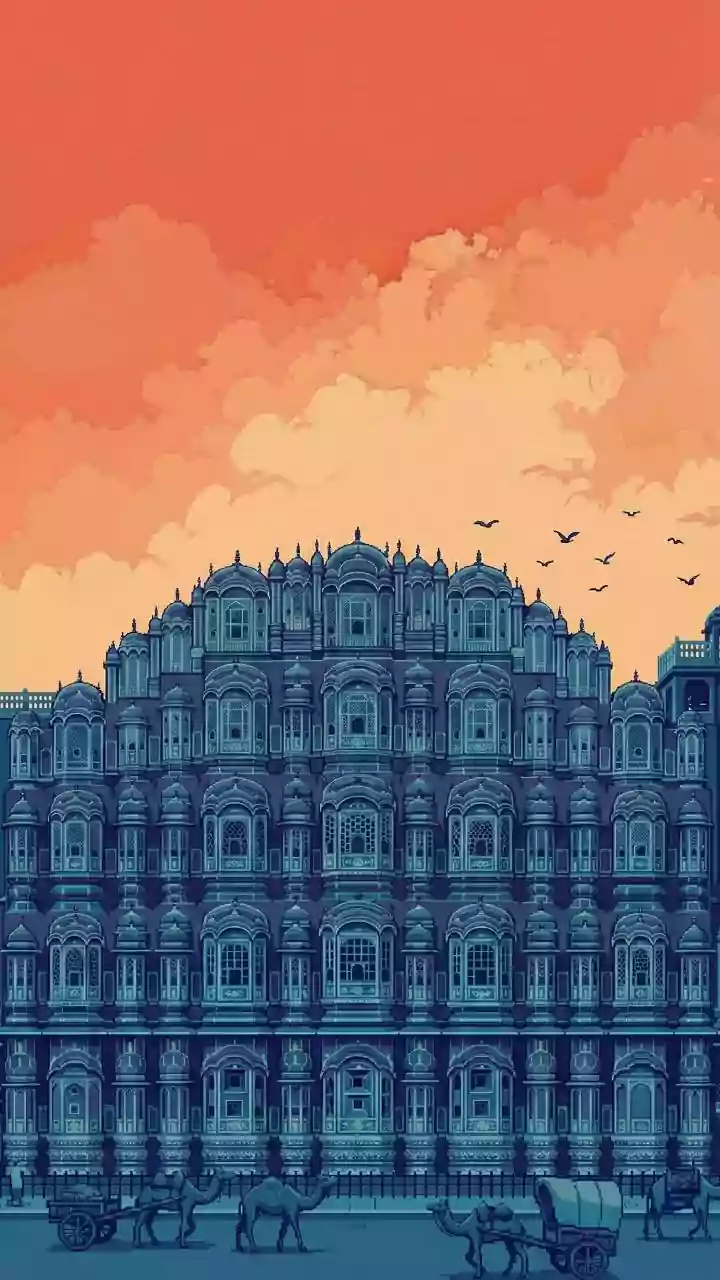
Jaipur is a treasure trove of architectural wonders, a key reason for its UNESCO World Heritage status. The city's historic core was one of India's first planned urban centres, designed with a grid-like street plan. A visit must include the iconic Hawa Mahal, or 'Palace of Winds', with its intricate honeycomb facade of 953 windows designed for royal women to observe street life unseen. The sprawling City Palace complex, still home to the former royal family, showcases a magnificent fusion of Rajput and Mughal styles. Nearby, the Jantar Mantar observatory, a collection of colossal astronomical instruments and a UNESCO site in its own right, stands as a testament to its founder's scientific prowess.
The Living Culture of the Pink City
Beyond the monuments, Jaipur's soul resides in its bustling bazaars and living craft traditions. Johari Bazaar is a dazzling spectacle of traditional Kundan and Meenakari jewellery, while Chandpole and Bapu Bazaars are famed for handicrafts, textiles, and leather goods. The city is a hub for artisanal skills passed down through generations, including hand-block printing, blue pottery, and gemstone cutting. Exploring these markets is a full sensory experience, filled with the colours of handcrafted fabrics, the aroma of street food like pyaaz kachori, and the constant energy of a city that is both a museum and a thriving metropolis.
Beyond the Walled City
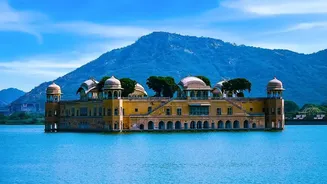
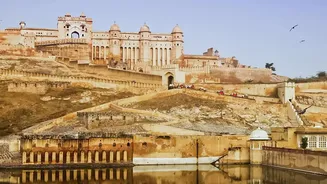
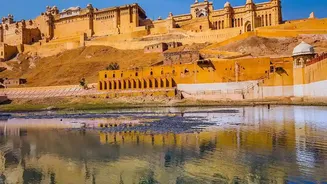
The majestic Amber Fort, a honey-hued fortress-palace perched on a hilltop just outside the city, is an unmissable highlight. Its vast courtyards, ornate halls like the Sheesh Mahal (Mirror Palace), and panoramic views of Maota Lake are breathtaking. For a different perspective, Nahargarh Fort offers sweeping sunset vistas over the entire city. Floating serenely in the middle of Man Sagar Lake is the Jal Mahal, or 'Water Palace', an ethereal structure that appears almost magical, especially when illuminated at night. These sites form a golden triangle of heritage around the main city, each telling a different chapter of the region's storied past.
Planning Your 2027 Jaipur Journey
To make the most of a trip in its milestone year, planning is key. The best time to visit Jaipur is during the cooler, drier months from October to March, which conveniently includes the literature festival in January and the Kite Festival. This period offers pleasant weather for exploring the city's sprawling forts and open air attractions. For a more modern experience, the C - Scheme area offers a contrast to the old city, with its boutique hotels, contemporary cafes, and art galleries. Whether you are a first - time visitor drawn by the royal history or a returning traveller eager to rediscover its charm, 2027 provides the perfect excuse to immerse yourself in the magic of the Pink City.