





The Price-per-Kilo Puzzle
On the surface, buying in bulk seems like the most logical way to save money. The unit price—the cost per kilo or per 100 grams—is almost always lower for larger packages. This is due to economies of scale; manufacturers spend less on packaging material
and handling per gram of product when they sell it in one large container versus ten small ones. The cost of packaging itself, from the raw materials to the printing and fabrication, is a significant part of a product's final price. Spreading that cost over a larger volume of product naturally brings the per-unit expense down. However, retailers are aware that consumers aren't always comparing unit prices, and sometimes larger packs offer no savings or can even cost more per unit, making it crucial for shoppers to pay attention.
The Hidden Value of Freshness
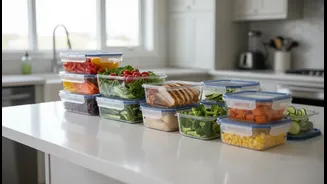
The premium you pay for smaller packs is essentially an investment in quality and freshness. Many foods begin to degrade the moment the package is opened. Exposure to air (oxidation), moisture, and light can ruin the taste, texture, and nutritional value of a product. Think of a large bag of potato chips that goes soft and stale after a few days, or expensive spices that lose their aroma and potency long before the jumbo jar is empty. Single-serving or smaller packages act as a protective barrier, keeping each portion sealed and fresh until the moment you need it. This extends the usable shelf life of the product, ensuring that the last serving is just as good as the first.
A Smart Weapon Against Food Waste
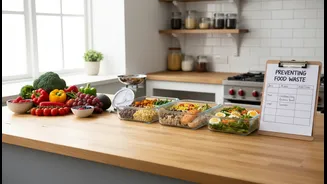
That 'economical' bulk purchase becomes a false economy the moment you throw part of it away. In India, household food waste is a significant issue, with an estimated 55 kilograms of food wasted per person every year. Often, this waste comes from buying more than we can consume before it spoils. A study by the United Nations Environment Programme highlights that India wastes about 74 million tonnes of food annually. Smaller, portion-controlled packs help mitigate this problem by aligning what you buy with what you actually use. For single people, small families, or anyone who consumes certain products slowly, buying a smaller pack you can finish is far more cost-effective than binning half of a giant container that has gone bad.
Making the Right Choice for Your Kitchen
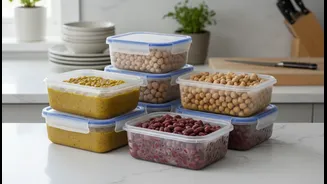
So, how do you decide? The answer depends on your lifestyle and the product itself. For non-perishable staples with a long shelf life that you use frequently, like rice or lentils, bulk buying is often the undisputed winner. For items that are sensitive to spoilage or losing their quality, the calculation changes. Consider things like avocados, cheese, cured meats, ground coffee, and snacks. If you're a large family that will go through a big bag of chips on movie night, the bulk pack makes sense. If you're a single person who wants a handful of chips once a week, the single-serving bags will save you from a stale snack and wasted money. The key is to be realistic about your consumption habits. Don't let the allure of a low unit price trick you into buying a quantity you can't finish while it's still at its best.