




A New Partnership for the Planet
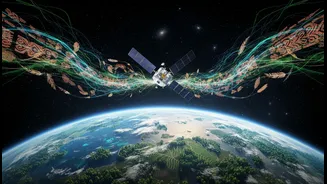
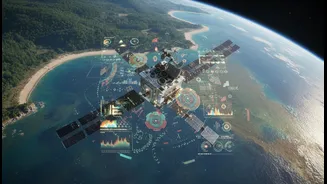
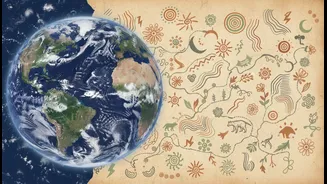
In a significant move, NASA is championing the idea that the fight against climate change requires more than just satellite imagery and complex computer models. It requires insights from people who have lived on the land for generations. The agency is increasingly
working to integrate what is known as Traditional Ecological Knowledge (TEK) and local community observations with its own powerful Earth-monitoring data. This collaboration aims to fill critical gaps in scientific understanding, making climate models more accurate and solutions more effective. By combining the view from space with the view from the ground, scientists can validate their findings and understand changes at a much finer, more human scale.
What Is Community Knowledge?
Community knowledge, including TEK, is the accumulated wisdom, practices, and beliefs of Indigenous and local groups about their relationship with the environment. This isn't just folklore; it's a dynamic system of observation passed down through generations. It can include understanding subtle shifts in animal migration, knowing which crop varieties are most resilient to drought, or interpreting changes in local weather patterns based on signs in nature. For centuries, these skills have been essential for survival and sustainability. Today, global bodies like the IPCC and UNESCO recognise this knowledge as a legitimate and crucial resource for climate adaptation and mitigation, offering a holistic perspective that modern science sometimes overlooks.
From Satellites to Storytellers
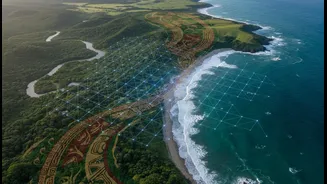
The collaboration takes many forms. NASA's Citizen Science programs, like the GLOBE Observer app, allow anyone to contribute observations on clouds, land cover, and more, directly from their smartphone. These ground-level observations help scientists validate and interpret what their satellites are seeing from above. In more focused initiatives, NASA partners with Indigenous communities. For example, projects with Native American tribes have combined oral histories and elder knowledge with satellite data to track coastal erosion and changes in vital resources like kelp forests. This "two-eyed seeing" approach, which values both Indigenous and Western science, creates a richer, more complete understanding of environmental challenges.
The Indian Context: A Wealth of Wisdom
For a country like India, with its immense diversity of ecosystems and deep-rooted traditional practices, this approach holds enormous potential. From the farming communities in the plains to the tribal groups in forested and mountainous regions, there is a vast reservoir of ecological knowledge. This includes time-tested water management techniques, agroforestry practices that maintain soil health, and knowledge of local biodiversity. As climate change brings more frequent droughts, floods, and unpredictable weather, this local wisdom is more valuable than ever. Integrating this knowledge into national and state-level climate adaptation plans can lead to solutions that are not only sustainable but also practical and culturally accepted by the communities on the front lines.
Challenges and the Path Forward
Integrating these different ways of knowing is not without challenges. It requires building trust, ensuring ethical engagement, and respecting intellectual property. Modern science and traditional knowledge often speak different languages, and bridging that divide requires patience and a commitment to co-creation. However, the potential rewards are immense. By treating community members not just as subjects of study but as expert partners, climate science becomes more robust, democratic, and effective. This partnership ensures that solutions are not just imposed from the top down, but are developed with and for the people who are most affected by our changing planet. The future of climate resilience lies in this powerful combination of global data and local wisdom.