






The Monsoon's Grip on July
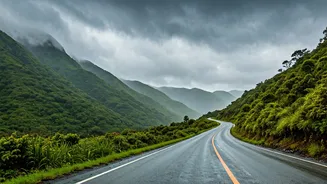
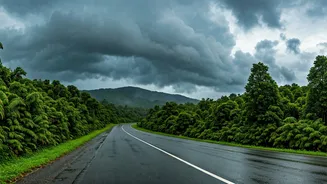
July is the heart of India's monsoon season, a period defined by significant rainfall, high humidity, and wonderfully green scenery. While the rains bring welcome relief from the scorching heat of May and June, they also introduce a unique set of challenges
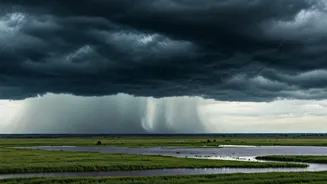
for travellers. The intensity of the monsoon isn't uniform; it varies dramatically from region to region, making localised weather forecasts essential. Heavy downpours, which can last for a couple of hours, are common, particularly in coastal regions. These can lead to everything from minor travel delays to significant disruptions like waterlogged streets and transport cancellations. Understanding these patterns is not about cancelling plans, but about making smarter ones.
Navigating the North: Hills and Plains
For those eyeing the Himalayan states, July can be a mixed bag. While regions like Ladakh remain relatively dry and ideal for trekking, other popular destinations in Himachal Pradesh and Uttarakhand experience significant rainfall. This increases the risk of landslides and road blockages, making it vital to check local conditions daily. The plains of North India, including Delhi and Rajasthan, will see sporadic rains that break the heat, but humidity remains high. While forecasts for late June and early July 2026 predict the monsoon's advance into these areas, some parts may still experience heatwave conditions until the rains fully set in.
The Southern Downpour: Coasts and Ghats
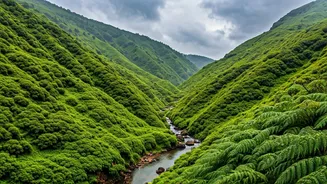
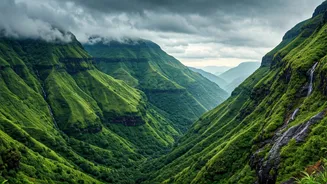
The south-west monsoon is typically at its most powerful in July along India's western coast. States like Kerala and Goa, and the coast of Karnataka, receive some of their heaviest rainfall during this month. While this transforms the Western Ghats into a breathtakingly lush paradise, it's not the best time for a beach holiday, with rough seas often leading to beach closures. Travel plans here should account for potential delays. Conversely, Tamil Nadu, which lies in a rain-shadow area, receives significantly less rainfall, making it a more viable option for those looking to avoid the heaviest downpours.
Central and Western India: A Wet Outlook
In central and western India, including Maharashtra and Madhya Pradesh, July is firmly in the grip of the monsoon. Cities like Mumbai often experience intense rainfall that can lead to significant waterlogging and disruption of daily life and transport. While the countryside is beautifully green, it's wise to build extra buffer days into your itinerary to account for potential delays on roads and railways. Forecasts suggest a complex season, with some analyses pointing towards the potential for a weaker, more uneven monsoon in certain central regions in 2026, which could mean longer dry spells between rainy periods.
Your Monsoon Travel Checklist
Being prepared is the key to enjoying a monsoon trip. Start by packing appropriately: lightweight, quick-drying clothes are essential, as jeans and heavy cottons are difficult to manage in the humidity. A reliable raincoat and waterproof footwear with good grip are non-negotiable. Protect your electronics, passport, and cash in waterproof bags or pouches. Due to the increased risk of water-borne diseases and mosquitos, carry repellent, drink only sealed or purified water, and be cautious about street food. Finally, embrace flexibility. Book accommodations with fair cancellation policies and keep a close eye on weather apps and local news for any travel advisories.