







1. Behind Your Washing Machine
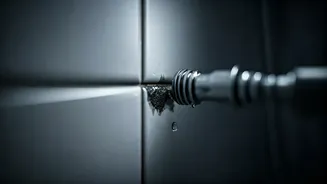
Tucked away and rarely moved, the washing machine is a prime spot for secret leaks. The culprits are usually the hot and cold water supply hoses. Over time, these rubber or braided steel lines can degrade, crack, or loosen at the connection points. A
slow, almost invisible drip can run down the wall and seep under the flooring, causing mould and rot long before you notice a puddle. Once a month, use a torch to inspect the hoses and the wall behind the machine. Look for mineral deposits (a white, chalky substance) around the connections, any signs of dampness on the wall, or brittleness in the hoses themselves. Ensure the connections are hand-tight but not over-torqued.
2. Around the RO Water Purifier
The reverse osmosis (RO) system that gives you clean drinking water involves a network of small plastic tubes carrying water to and from the unit. These tiny supply and drain lines can become brittle, get accidentally snagged, or develop loose connections. Because the drip is often minimal, it can go unnoticed inside a kitchen cabinet or behind the unit. Check for small pools of water inside the cabinet under the sink where the lines are often connected. Run your hand along the length of each tube to feel for moisture. Also, inspect the area where the wastewater pipe drains, as clogs here can cause water to back up and spill over.
3. Under and Behind the Refrigerator
If your refrigerator has an automatic icemaker or a water dispenser, it has a water supply line running to it. This thin plastic tube is a common failure point. It can be pinched, cracked, or the fittings can loosen, leading to a slow leak behind the fridge. Furthermore, all refrigerators have a drain pan that collects condensation from the defrost cycle. If this pan is cracked or overflows because the drain line is clogged, you'll have a stagnant, grimy puddle fostering mould growth. Pull your fridge out every six months, check the supply line for drips, and clean the drain pan thoroughly.
4. At the Base of Window Sills
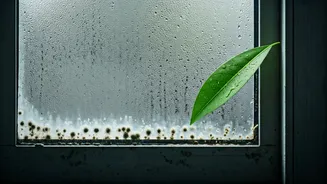
During heavy monsoon rains, your window frames are put to the test. Water doesn't always come through an open window; it often finds its way through tiny cracks in the sealant around the frame or through faulty weep holes designed to let water out. This moisture then gets trapped, soaking into the wall and windowsill. Look for peeling or bubbling paint, soft spots in the plaster or wood, and dark, mouldy stains at the corners or base of your windows. This is a sign that the external waterproofing or sealant has failed and needs to be addressed before it causes significant structural damage to the wall.
5. Near Your Air Conditioner Unit
Your split AC's indoor unit is designed to pull moisture from the air, which then collects and flows out through a drainpipe. If this pipe gets clogged with dust and algae, the water will back up and start dripping down your interior wall. You might notice water stains, peeling paint, or a musty smell around the unit. Similarly, check the outdoor unit. While it's meant to be in the elements, ensure its drainage isn't blocked and causing water to pool on your balcony or drip continuously onto the wall below, which can degrade the exterior paint and plaster over time. A quick, regular cleaning of the drain line can prevent this messy problem.
6. Inside Bathroom and Kitchen Cabinets
The P-trap—that U-shaped pipe under every sink—can be a source of very slow drips. The threaded connectors can loosen over time, or the seals can degrade. Because it's hidden inside a dark cabinet and often obscured by cleaning supplies, a tiny drip can go on for months. This constant dampness warps the cabinet floor and creates a perfect breeding ground for cockroaches and mould. Once a month, clear out the cabinet, get a torch, and look closely at all the pipe joints. A great trick is to place a dry piece of newspaper underneath; it will make even the smallest drop of water instantly visible.