
The Plant-Based Nutrient Challenge
Plant-based diets are celebrated for their health benefits, but they come with a nutritional puzzle. Many plant foods like legumes, whole grains, nuts, and seeds contain compounds that can hinder nutrient absorption. The two main culprits are phytates
and tannins. These 'anti-nutrients' bind to minerals, particularly iron, making them difficult for your body to access during digestion. The iron found in plants, known as non-heme iron, is already less bioavailable than the heme iron found in animal products. When phytates and tannins are present, the absorption rate of this crucial mineral can drop even further, posing a challenge for those on a vegan or vegetarian diet.
The Citrus Solution: Vitamin C to the Rescue
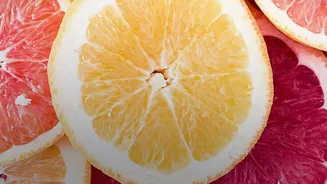
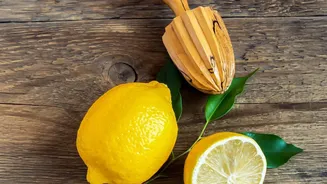
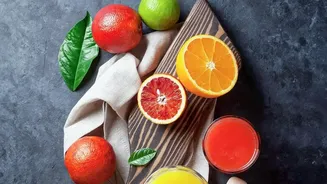
This is where citrus fruits like lemons, limes, and oranges play a starring role. Their power lies in their high concentration of ascorbic acid, or vitamin C. This essential vitamin is a potent enhancer of non-heme iron absorption. It works in two primary ways. First, it helps convert the iron from its less absorbable form (ferric, Fe3+) into a more soluble and readily absorbed form (ferrous, Fe2+). Second, it forms a complex with the iron, keeping it soluble and preventing it from binding with inhibitors like phytates and tannins as it moves through the digestive system. The effect is significant; research shows that adding vitamin C to a meal can dramatically increase the amount of iron your body takes in.
More Than Just Iron: Boosting Protein Utilisation
While the connection between vitamin C and iron is well-established, the benefits of citrus may extend to protein as well. The acidity from citrus fruits, primarily citric acid, helps maintain a low pH in the stomach. This acidic environment is crucial for the function of pepsin, the primary enzyme responsible for breaking down protein molecules into smaller, more absorbable amino acids. Some research suggests that ascorbic acid can directly have a positive effect on protein digestibility. An in-vitro study found that adding ascorbic acid significantly increased the amount of digested protein, possibly by altering the protein structure to expose more sites for digestive enzymes to work. This suggests that a squeeze of lemon on your dal or tofu not only helps with iron but could also support more efficient protein use.
Putting It Into Practice: Simple Food Pairings
Incorporating this nutritional strategy into your daily meals is simple and delicious. The goal is to combine an iron- and protein-rich plant food with a source of vitamin C in the same meal. You don't need a lot; even a modest amount of about 50 mg of vitamin C per meal can make a difference. Think beyond just citrus fruits—bell peppers, tomatoes, broccoli, and strawberries are also excellent sources of vitamin C. Here are some easy and effective pairings to try: - Lentil Soup or Dal: Finish with a generous squeeze of fresh lemon juice just before serving. - Chickpea or Bean Salad: Use a lemon-tahini or citrus-based vinaigrette as your dressing. - Tofu or Tempeh Stir-fry: Toss in plenty of broccoli, red bell peppers, and a splash of orange juice. - Spinach Salad: Pair leafy greens with orange segments or a lemon dressing to counteract the absorption-inhibiting oxalates in spinach. - Oatmeal or Quinoa Bowls: Top your morning grains with fresh berries or kiwi.