






The Age of Deprivation
For years, the term “detox holiday” painted a specific, often grim, picture. It conjured images of stark, minimalist clinics, gruelling dawn boot camps, and a diet consisting of little more than kale juice and bitter herbal teas. The underlying philosophy
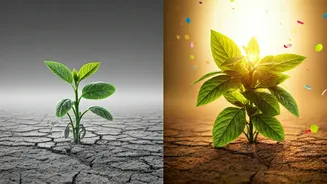
was one of punishment and purification. The goal was to flush out the “toxins” accumulated from our indulgent modern lives through strict discipline and self-denial. These trips were less about enjoyment and more about endurance—a short, sharp shock to the system, with the promise of emerging lighter, cleaner, and somehow morally superior. While the intention was wellness, the experience often felt like a penalty for living.
Why We’re Over the Grind
The cultural tide has turned. A growing exhaustion with hustle culture and the constant pressure to optimise every second of our lives has led to a backlash against this punitive approach. The body positivity movement and a wider rejection of restrictive diet culture have made us question whether starving ourselves on a remote island is truly the path to well-being. We’ve become more aware that quick fixes rarely lead to lasting change. A week of liquid fasting might result in temporary weight loss, but it doesn’t teach sustainable habits or address the root causes of stress and burnout. People are realising that genuine rest isn’t about punishing your body, but nurturing it.
Enter the ‘Fun Reset’ Plan
In place of the detox, a new concept has emerged: the “fun reset.” This new-wave wellness trip isn’t defined by what you give up, but by what you gain. It’s built on a foundation of joy, pleasure, and genuine restoration. The focus is on adding positive experiences rather than subtracting calories. A reset plan acknowledges that mental and emotional well-being are just as important as physical health. It’s about disconnecting from the relentless demands of daily life and reconnecting with yourself, with nature, and with others in an enjoyable, stress-free environment. The goal is to return home not just rested, but inspired and equipped with a renewed sense of purpose and joy.
What a Modern Reset Looks Like
So, what does a fun reset actually involve? It’s wonderfully diverse. It could be a hiking retreat in the hills of Uttarakhand, where days are spent in nature and evenings are filled with wholesome, locally sourced food and good conversation. It might be a coastal getaway in Goa that combines morning yoga with afternoon surf lessons. Think creative workshops—like pottery, painting, or creative writing—that allow you to access a state of flow. It could even be a culinary tour focused on healthy, flavourful cooking, teaching you skills you can bring back to your own kitchen. The common thread is activity with a purpose that feels good, food that is both nourishing and delicious, and an environment that encourages relaxation over regulation.
The Science of Joyful Restoration
This shift is backed by science. Research shows that positive emotions, social connection, and engaging in enjoyable activities are powerful tools for reducing stress and improving overall health. When we engage in things we love, our brains release feel-good neurochemicals like dopamine and serotonin, which combat the effects of the stress hormone cortisol. Unlike the stress of a forced fast, the gentle restoration of a fun reset creates a positive feedback loop. You feel good, which makes you want to continue making choices that make you feel good. This approach fosters a healthier, more compassionate relationship with our bodies and minds, paving the way for long-term well-being instead of a cyclical pattern of indulgence and punishment.