




Adopt a Mindful Mindset
Before you even pick up a plate, shift your perspective. The goal is not to avoid your favourite dishes, but to enjoy them consciously. Guilt and restriction often lead to overeating later. Instead, give yourself permission to partake in the feast. By
adopting a mindset of mindful enjoyment, you empower yourself to make deliberate choices. Focus on savouring the experience, the company, and the flavours. Remember, festivals are about more than just food; they are about connection and celebration. Honouring your body's signals is a key part of this process; eat when you're hungry and stop when you feel comfortably full, not stuffed.
Blueprint for a Balanced Plate
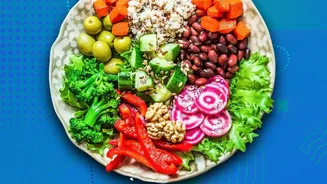
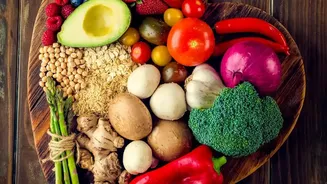
A simple and effective strategy is the 'plate method'. Instead of piling food randomly, partition your plate to ensure nutritional balance. Dedicate half of your plate to non-starchy vegetables and salads. These are high in fibre and will help you feel full on fewer calories. Reserve one-quarter of the plate for a lean protein source like grilled chicken, fish, or beans. Protein promotes satiety, helping you feel fuller for longer. The final quarter is for starchy carbohydrates and those must-have festive specialities. This could be your favourite rice dish, a serving of stuffing, or a piece of dessert. This approach ensures you get a taste of everything without any single food group dominating the meal.
The Power of a Smaller Plate
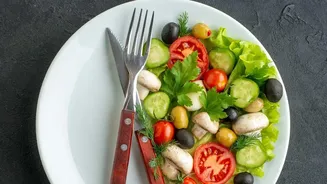
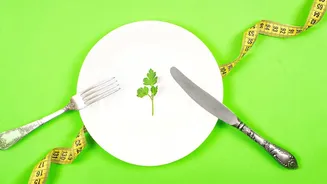
It may sound overly simple, but one of the most effective tricks for portion control is to use a smaller plate. Studies show that the size of your dishware can subconsciously influence how much food you serve yourself and, consequently, how much you eat. By opting for a salad plate (typically 8-9 inches) instead of a large dinner plate, you naturally limit your portions while still having a visually full plate. This psychological hack helps you manage intake without feeling deprived. It turns portion awareness into an automatic habit rather than a chore, allowing you to focus on enjoying the meal.
Hydrate and Eat Slowly
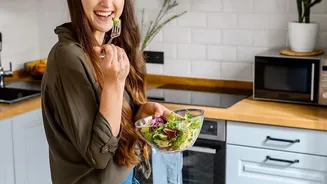
Water is a powerful ally during festive feasts. Sometimes, our bodies mistake thirst for hunger, so staying hydrated can prevent unnecessary snacking. Try drinking a glass of water before you begin eating your meal. Furthermore, slow down your pace. It takes approximately 20 minutes for your brain to receive the signal from your stomach that you are full. Eating too quickly can lead to overshooting this mark and feeling uncomfortably full. Put your fork down between bites, chew thoroughly, and engage in conversation. This not only aids digestion but also gives your body time to register satiety, making you less likely to go back for seconds you don't truly need.
Don't Arrive Starving
A common mistake is skipping meals earlier in the day to 'save up' calories for a big festive dinner. This strategy almost always backfires. Arriving at a celebration ravenous makes it incredibly difficult to make mindful choices and control your portions. You're more likely to overeat quickly without thinking. Instead, stick to your regular eating schedule. Have a light, balanced breakfast and lunch, perhaps focusing on protein and fibre. A small, healthy snack before heading to an event can also curb extreme hunger, allowing you to approach the feast with a clear head and better control over your cravings.