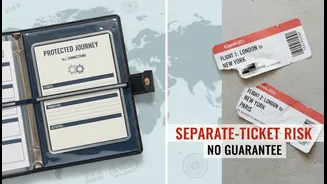









The Hidden Gamble of Self-Transfers
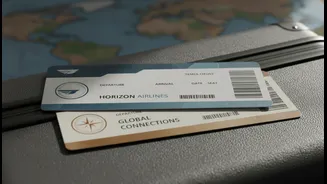
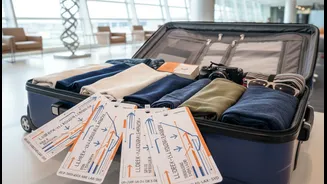
Booking separate tickets, often called a “self-transfer” or “self-connection,” is when you buy two or more individual flights to create your own itinerary, often mixing and matching different airlines. For instance, you might book a flight from Mumbai
to Dubai on one airline and a separate ticket from Dubai to London on another. The primary motivation is almost always cost savings, as this method can be significantly cheaper than a single, through-ticketed journey. However, this saving comes at a steep price: risk. When you book a single ticket, the airline is responsible for getting you to your final destination, even if delays cause you to miss a connection. With separate tickets, that protection disappears. Each flight is an independent contract, and no airline is responsible for the other.
When Your Connection Isn't Connected
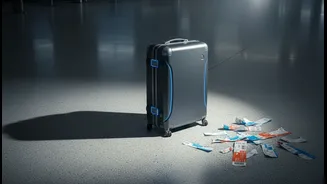
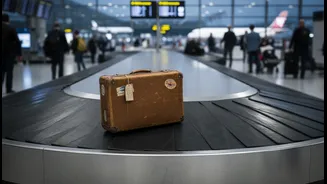
The biggest risk is a missed connection due to a delay in your first flight. If your initial flight is late, the airline for your second flight will likely treat you as a “no-show.” Your ticket could be cancelled without a refund, forcing you to buy a new, last-minute ticket at a potentially exorbitant price, wiping out any initial savings. This isn't just a financial headache; it's a logistical nightmare. You are responsible for collecting your checked baggage, exiting the secure area, potentially navigating a new terminal or even a different airport, and checking in all over again for your next flight. A delay of just 30 minutes can cause a significant percentage of self-connecting passengers to miss their onward flight. Under current DGCA rules in India, an airline's responsibility for delays is limited only to the ticket it sold, offering no protection for onward journeys booked separately.
Why Standard Insurance Falls Short
Many travellers assume that standard travel insurance will cover them, but that's not always the case. While many policies offer “missed connection” coverage, the terms can be restrictive. Some policies may not cover self-transfer scenarios at all, treating each booking as a separate journey. Others require a very generous layover time between flights, a buffer that might not always be practical or possible. To be covered, the reason for the delay must also be one listed in the policy, such as severe weather or a mechanical failure. This leaves a significant gap where travellers are exposed. The current insurance market lacks robust, widely available products specifically designed to cover the unique risks of self-transfer itineraries, leaving consumers to navigate a patchwork of inadequate options.
The Case for a Systemic Safety Net
Individual caution and meticulous planning can only go so far. To truly protect consumers, the system itself needs to evolve. First, there is a clear need for stronger, more explicit insurance products. Insurers and travel aggregators that promote self-transfer fares should be encouraged to offer clear, accessible insurance that specifically covers missed connections on separate tickets, with reasonable conditions. Second, the idea of a larger contingency fund warrants serious consideration. While the government has created funds to stabilise airlines from fuel price shocks or other economic crises, there is no equivalent safety net for passengers facing systemic failures. A modest fee added to self-transfer bookings, pooled into a consumer protection fund managed by a regulatory body like the DGCA, could provide a last-resort financial backstop for travellers who fall through the cracks of airline liability and insurance coverage. This would ensure that the convenience of cheaper fares doesn't come with the potential for financial ruin.