

Why Your Tropical Plants Crave Humidity
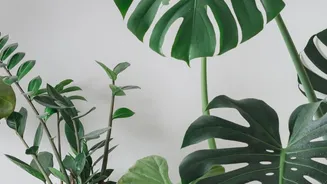
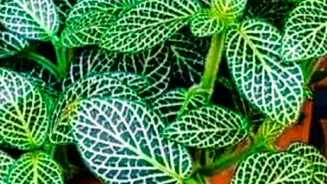
Many of our most beloved houseplants, from lush ferns to vibrant calatheas, originate from tropical rainforests where the air is thick with moisture. Their broad, beautiful leaves are adapted to this humid environment. When we bring them into our homes,
especially during winter when heating systems are running, the air becomes incredibly dry. This forces the plants to lose moisture through their leaves faster than their roots can absorb it. The result is often tell-tale signs of distress: brown, crispy leaf tips, curling edges, and stunted growth. To keep these plants healthy, we need to replicate their native humid conditions, aiming for a level of around 50-60%.
The Simple Science of a Humidity Tray
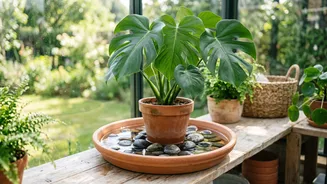
A humidity tray is a wonderfully simple and effective tool. It's nothing more than a shallow, waterproof tray filled with pebbles and water. The plant's pot sits on top of the pebbles, crucially, above the water line. This is the most important detail: the pot should never sit directly in the water, as this will lead to waterlogged soil and root rot. As the water in the tray evaporates, it rises and creates a small pocket of humid air directly around the plant's foliage. While a single tray won't significantly change the humidity of an entire room, it provides a localized boost right where the plant needs it most.
The Power of Grouping: Create a Plant Community
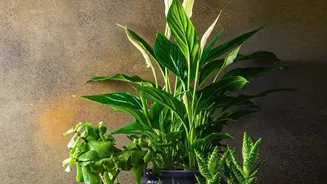
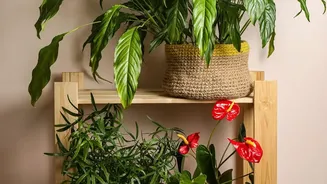
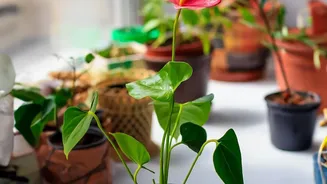
To amplify this effect, group your humidity-loving plants together. Plants naturally release water vapor from their leaves in a process called transpiration. When several plants are clustered, their combined transpiration creates a shared 'microclimate' of higher humidity that benefits the entire group. Placing this plant cluster over one large humidity tray or several smaller ones supercharges the effect. The collective evaporation from the trays and transpiration from the leaves work in tandem, creating a more stable and beneficial moisture bubble than a single plant could achieve on its own.
How to Create Your Own Humidity Hub
Building your own humidity station is easy and inexpensive. First, select a shallow, waterproof tray that is wider than the base of your plant pots; an old baking dish, a decorative platter, or a large plant saucer will work perfectly. Fill it with a layer of pebbles, gravel, or even decorative glass beads. Pour water into the tray until the level is just below the top of the pebbles. Then, simply place your potted plants on top, ensuring their drainage holes are not touching the water. Check the water level every few days and refill as needed. For an even greater effect, use a single large tray for a whole group of plants.
Best Practices for a Healthy Setup
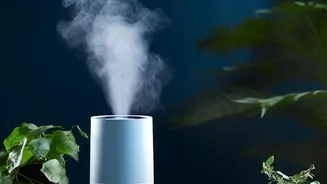
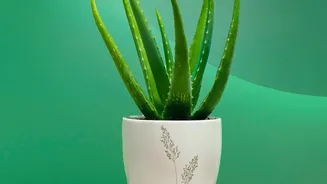
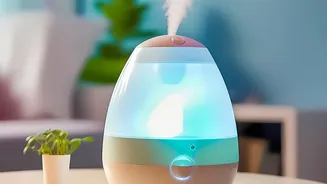
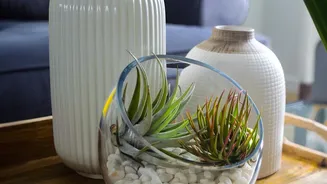
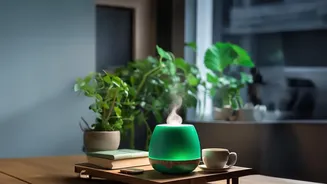
While effective, humidity trays require a little maintenance to prevent problems. To avoid algae, mould, or pests, it's important to clean the tray and pebbles every few weeks. Simply dump the old water, rinse the pebbles thoroughly, and scrub the tray before refilling. Good air circulation is also key; a gentle, indirect fan can help prevent the air from becoming stagnant, which can lead to fungal issues. This technique is most beneficial for tropicals like ferns, calatheas, alocasias, and orchids. Succulents and cacti, which prefer dry conditions, do not need this extra humidity. For very dry homes, a humidifier remains the most effective way to raise the humidity of an entire room, but for boosting moisture for a specific group of plants, this method is a fantastic, low-cost solution.