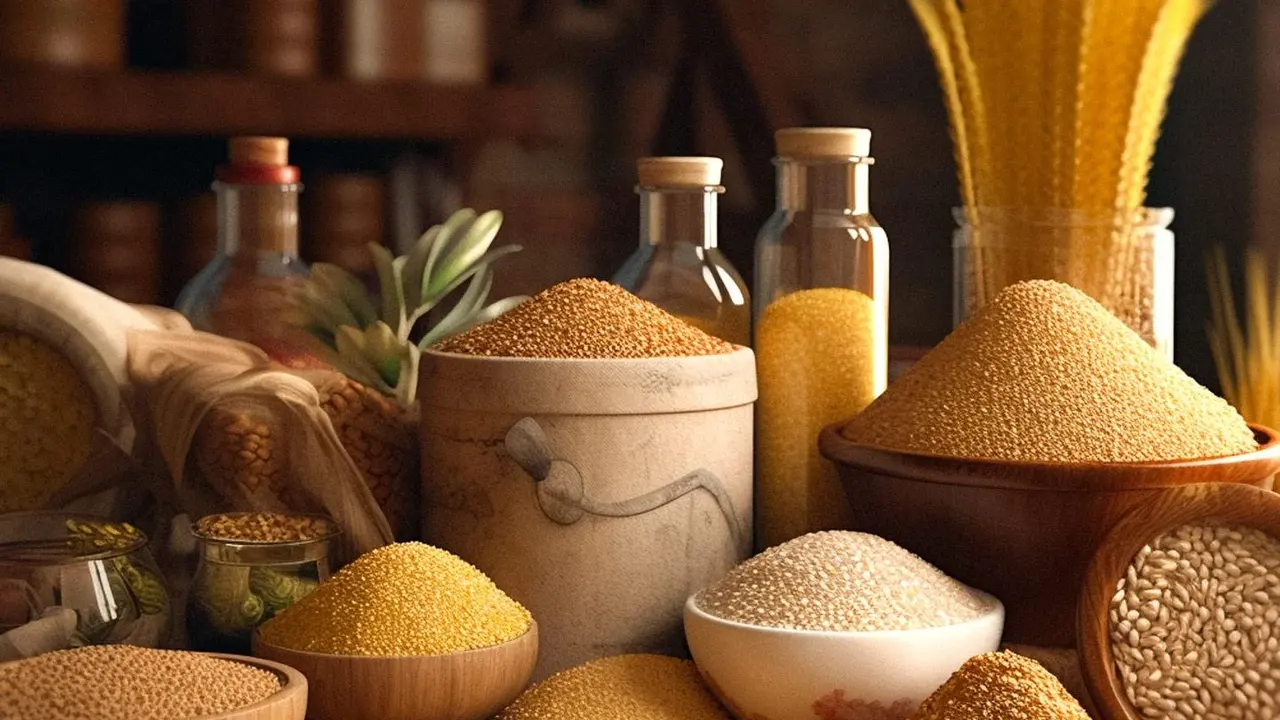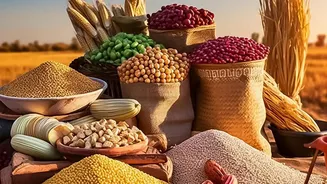


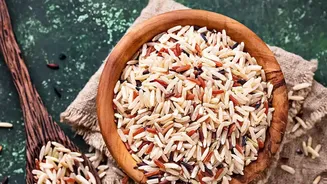
The buzz around millets isn't a new-age health fad but a return to ancient wisdom. These hardy grains were staples for millennia, and the good news is our home kitchens are already perfectly designed to welcome them back.
A Return to Our Roots
For thousands of years, long before
wheat and rice came to dominate our plates, millets were the backbone of the Indian diet. Grains like jowar (sorghum), bajra (pearl millet), and ragi (finger millet) were cultivated across the subcontinent because they were resilient, required less water, and were deeply nourishing. The Green Revolution in the mid-20th century shifted focus to high-yield varieties of rice and wheat to ensure food security, and in the process, millets were relegated to the background. Today, a growing awareness of health, sustainability, and a desire to reconnect with our culinary heritage is bringing these 'nutri-cereals' back into the spotlight, a movement so significant it prompted the United Nations to declare 2023 the 'International Year of Millets'.
Your Kitchen Is Already Millet-Ready
You don't need fancy new equipment to cook with millets. The tools and techniques common in every Indian kitchen are perfectly suited for them. The pressure cooker, a staple for cooking dals and rice, is fantastic for preparing whole millets like foxtail and little millet quickly. The familiar 'tawa' is ideal for making traditional flatbreads like jowar bhakri or bajra rotla. The same grinders we use for idli and dosa batter can be used to make fresh millet flour, and idli steamers can be used for millet-based steamed cakes. Indian cooking methods like soaking, fermenting, and slow-cooking, which have been passed down through generations, naturally enhance the flavour and digestibility of these grains.
Meet the Main Millets
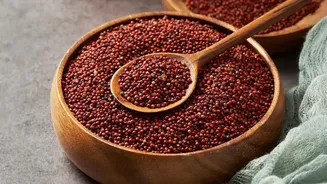
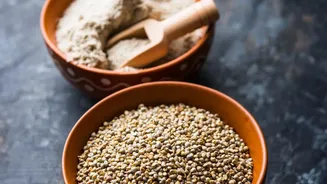
While there are many varieties of millets, three are most common in Indian cuisine. Jowar (Sorghum) has a mild, earthy flavour and is widely used to make soft 'bhakri' or roti, especially in Maharashtra and Telangana. Bajra (Pearl Millet) is a staple in the drier regions of Rajasthan and Gujarat. It has a bolder, nutty taste and is known for its warming properties, making bajra roti a winter favourite, often served with a dollop of butter and jaggery. Ragi (Finger Millet) is hugely popular in South India, particularly Karnataka. It's famous for being a powerhouse of calcium. Its distinct reddish-brown colour and earthy flavour lend themselves beautifully to dishes like ragi mudde (a steamed ball), dosas, and nutritious porridge.
Simple Swaps and Smart Starts
Incorporating millets into your diet can be effortless. Start by swapping, not just adding. Instead of your usual rice, try making a pulao or khichdi with foxtail millet (kangni) or little millet (kutki). These varieties cook similarly to rice and readily absorb the flavours of spices. Another easy way is to blend flours. Try adding about 20-30% ragi or jowar flour to your regular wheat atta when making chapatis. This adds fibre and nutrients without drastically changing the texture. A simple millet upma, using barnyard millet (sanwa), is a quick and healthy breakfast alternative to one made with semolina.
Beyond the Big Three
Once you're comfortable with the basics, a whole world of other millets awaits. Foxtail millet (kangni/thinai) is wonderful for light dishes like lemon 'rice' and upma. Little millet (samai/kutki) and Kodo millet are versatile enough to be used as a direct substitute for rice, served with sambar or dal. Barnyard millet (sanwa/jhangora), known for cooking quickly, is a popular choice for fasting foods like vrat ki khichdi. Each millet has a unique texture and flavour, offering a delightful way to add variety and a broad spectrum of nutrients like fibre, protein, iron, and magnesium to your family's meals.