








The Anatomy of a Trend
In the digital age, a food trend is born not just in kitchens but online. A combination of eye-catching social media posts, influencer marketing, and the strategic push from food delivery apps can create the illusion of a massive culinary movement. An
IIT Guwahati study highlighted how digital platforms are becoming the gatekeepers of food culture, especially among urban youth, shaping what they eat and perceive as popular. This digital amplification can make a niche product, enjoyed by a select few, appear as though it's the next big thing across the country. The cycle is rapid: a dish goes viral, cafes and restaurants rush to add it to their menus, and more online content is generated, reinforcing the perception of a widespread trend. This creates a feedback loop where the hype itself becomes the story, often leaving the on-the-ground reality far behind.
Case Study: The Artisanal Coffee Boom
Consider the rise of artisanal and specialty coffee. In major metros like Mumbai, Delhi, and Bengaluru, premium cafes promoting single-origin beans and craft brewing methods are a common sight. These establishments have successfully cultivated an experience-led coffee culture, attracting a young, urban, and affluent clientele. However, the data suggests this remains a largely urban phenomenon. While the Indian coffee market is growing, per capita consumption remains low compared to global averages. Much of India's coffee production is still for export, and the domestic market, while expanding, is heavily dominated by South India. The 'artisanal wave' is a powerful narrative and a profitable business in specific urban pockets, but it's not yet representative of a nationwide shift in how most Indians consume their daily brew.
The Ghost Kitchen Question
Ghost kitchens, or delivery-only restaurants, were heralded as the future of the food service industry, especially following the pandemic. Reports projected explosive growth, with some firms achieving unicorn status. The model's appeal is its low overhead compared to traditional restaurants, eliminating the need for expensive real estate and front-of-house staff. However, the reality is proving more complex. Many smaller players are finding it difficult to sustain operations due to high commission fees charged by delivery aggregators (up to 30%), intense competition, and the high cost of marketing in metro cities. Some businesses are now pivoting to a hybrid model that includes a physical dine-in option to improve profitability, suggesting the pure-play ghost kitchen model may not be the guaranteed success it was once thought to be.
Plant-Based: A Real Shift or a Niche Market?
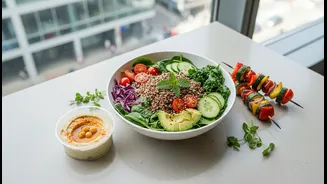
The push towards plant-based diets and vegan alternatives is another heavily publicised trend. With India's large vegetarian population, the market seems uniquely positioned for growth. Reports point to a growing number of vegans and a rising market value for plant-based foods, driven by health and sustainability concerns among urban consumers. Dairy alternatives, in particular, are seeing significant uptake due to rising lactose intolerance. Yet, challenges remain. Plant-based meat alternatives are often significantly more expensive than their traditional counterparts, limiting mass adoption. While there's a definite and growing market, especially in Tier-1 cities, the available data suggests it is still a small fraction of the overall food market. The trend is real, but its scale is often exaggerated by media coverage focused on a health-conscious urban minority.
Why Real Data Matters
Distinguishing between a heavily marketed niche and a genuine, widespread trend is crucial for everyone. For restaurateurs and small business owners, investing heavily in a fleeting fad can be a costly mistake. For consumers, the constant pressure to keep up with the 'latest' thing can be exhausting and expensive. Most importantly, the focus on a handful of urban trends can overshadow the incredible diversity of India's regional cuisines, which are often sidelined in the digital discourse. The 'gastronomification' of urban spaces can lead to a strange uniformity, where high streets in different cities start to look identical, filled with the same roster of breweries, sushi bars, and artisanal bakeries. A critical eye helps us appreciate genuine innovation without losing sight of the broader, more complex reality of what India is actually eating.