
Garam Masala: The Warming Finisher
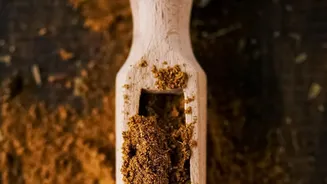
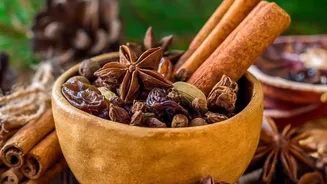
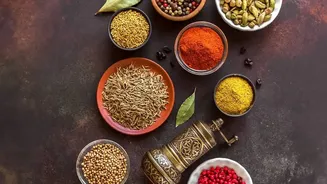
Garam Masala, which translates to 'warming spice blend', is perhaps the most famous Indian masala. While recipes vary by region and family, it typically includes a mix of warming spices like cinnamon, cloves, cardamom, black pepper, cumin, and coriander.
The magic lies in toasting these whole spices in a dry pan until they become fragrant, which deepens their flavour. After cooling, they are ground into a fine powder. Unlike many spice blends used during cooking, Garam Masala is often added at the end of the cooking process. A final sprinkle over a dal, sabzi, or curry just before serving adds a beautiful aromatic finish and a final layer of complex warmth without overpowering the dish.
Sambar Powder: The Soul of South India
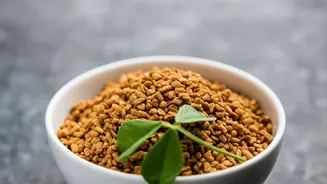
No South Indian kitchen is complete without a jar of Sambar Powder. This robust and earthy blend is the heart of the iconic lentil and vegetable stew, sambar. Its foundation is built on coriander seeds and various lentils like chana dal, urad dal, and toor dal, which are dry-roasted until golden brown and aromatic. These are combined with dried red chillies for heat, fenugreek seeds for a hint of bitterness, and often curry leaves and cumin. Each ingredient is roasted separately to ensure it's perfectly cooked before being ground together into a fine powder. Beyond sambar, this versatile powder can be used to flavour other lentil dishes, vegetable curries, and even as a dry rub for roasted vegetables.
Chaat Masala: The Tangy Flavour Bomb
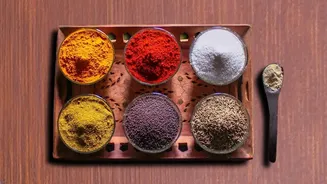
Chaat Masala is the life of Indian street food, a unique blend that delivers a punchy, sour, and salty kick. Its signature tang comes from amchur (dried mango powder), while its slightly funky, sulphurous note is from kala namak (black salt). These are balanced with earthy roasted cumin, black pepper, coriander, and sometimes mint or dried ginger powder. Unlike masalas that require roasting and grinding whole spices, chaat masala is often a simple mix of pre-ground ingredients, making it very easy to prepare at home. It’s not a cooking spice but a finishing one. Sprinkle it over fresh fruit salads, dahi (yogurt), raitas, or any kind of chaat for an instant burst of lip-smacking flavour.
Panch Phoron: The Five-Spice Tempering Seed
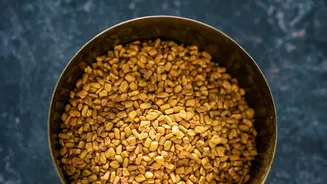
Originating from Eastern India, particularly Bengal, Panch Phoron means 'five spices'. It's unique because it is a mix of whole seeds used for tempering, not a ground powder. The blend consists of five spices in equal parts: cumin seeds, fennel seeds, mustard seeds, nigella seeds, and fenugreek seeds. To use it, the blend is sizzled in hot oil or ghee at the very beginning of the cooking process. As the seeds pop and crackle, they release their distinct aromas and flavours into the oil, creating an incredibly fragrant base for dals, vegetable dishes like potato or pumpkin sabzi, and fish curries. This one simple step adds a complex, layered flavour that defines many regional dishes.
Goda Masala: The Fragrance of Maharashtra
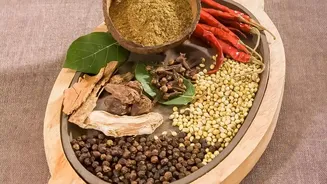
Goda Masala is the aromatic soul of Maharashtrian cuisine, known for its subtly sweet and mellow profile that sets it apart from the pungent Garam Masala. 'Goda' means sweet in Marathi. The blend gets its unique fragrance from signature ingredients like dried coconut, sesame seeds, and rare spices like dagad phool (stone flower) and cassia buds, alongside common spices like coriander and cumin. The spices are gently roasted, sometimes with a little oil, to bring out a deep, dark colour and nutty aroma before being ground. Goda Masala is used during the cooking process to build flavour in traditional dishes like amti (a tangy dal), masale bhaat (spiced rice), and bharli vangi (stuffed eggplants).