


What Exactly Is a Complete Protein?
Think of proteins as complex chains made from building blocks called amino acids. Your body needs 20 different amino acids to function, but nine of them are called 'essential' because your body can't produce them on its own. You must get these nine from the food
you eat. A food source that contains all nine of these essential amino acids in the right proportions is called a 'complete protein'. Animal products like meat, eggs, and dairy are naturally complete proteins. Many plant-based foods, however, are considered 'incomplete' because they are low in one or more of these essential amino acids.
The Power of the Perfect Pair
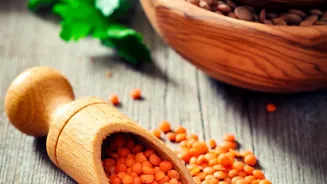
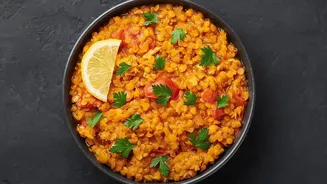
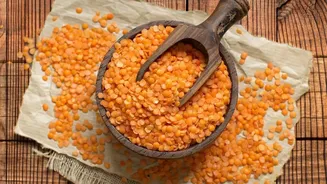
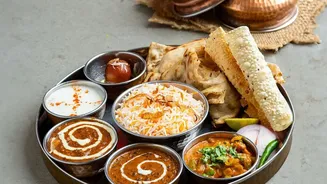
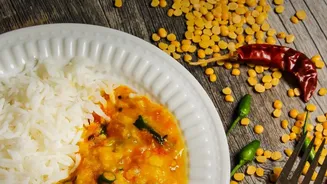
This is where food pairing comes in. While many plant foods might be low in one amino acid, they are usually high in another. By combining different plant foods, you can easily create a meal that delivers all nine essential amino acids. This is the simple secret behind one of India's most beloved comfort foods: dal and rice. Lentils (dal) are rich in an essential amino acid called lysine but low in another called methionine. Rice, on the other hand, is low in lysine but has the methionine that dal is missing. When you eat them together, they perfectly complement each other, creating a complete protein profile that is comparable to animal-based proteins.
Beyond Rice: Seeds as Protein Partners
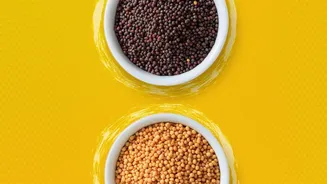
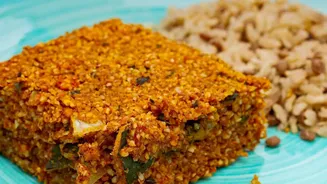
The principle of protein complementation extends well beyond just rice. The headline mentions seeds, and for good reason. Like grains, many nuts and seeds are low in lysine but contain the methionine and cysteine that are limited in lentils and other legumes. Pairing lentils with a sprinkle of sesame seeds, sunflower seeds, or pumpkin seeds can also help round out your amino acid intake. For example, hummus, which is made from chickpeas (a legume), is traditionally served with tahini (a paste made from sesame seeds). This classic combination isn't just delicious; it's a nutritionally complete protein pairing. Many ancient breads and grain bowls also incorporate seeds for this very reason.
Do They Have to Be Eaten Together?
For years, it was believed that complementary proteins had to be eaten in the same meal to be effective. This led to a lot of careful meal planning and, for some, anxiety about getting it right. However, modern nutritional science has shown this to be a myth. Your body is smart; it maintains a pool of amino acids throughout the day. As long as you consume a variety of plant protein sources—legumes, grains, nuts, and seeds—over the course of a day, your body can pull what it needs to form complete proteins. So, if you have dal for lunch and roti or a handful of nuts for a snack later, your body can still combine those amino acids effectively.
Other Powerful Vegetarian Pairings
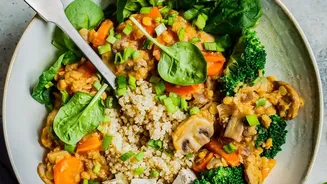
The wisdom of combining grains and legumes is found in cuisines all over the world. Once you understand the basic principle, you'll start seeing these powerful pairings everywhere. Some other classic examples include: Rajma with roti or rice (kidney beans and whole wheat).; Chana masala with naan (chickpeas and bread).; Peanut butter on whole-grain bread.; Bean burritos with corn tortillas. These combinations have stood the test of time not just because they are comforting and affordable, but because they are nutritionally sound. A few plant-based foods, like quinoa, soy products (tofu, tempeh), and chia seeds, are actually complete proteins all on their own.