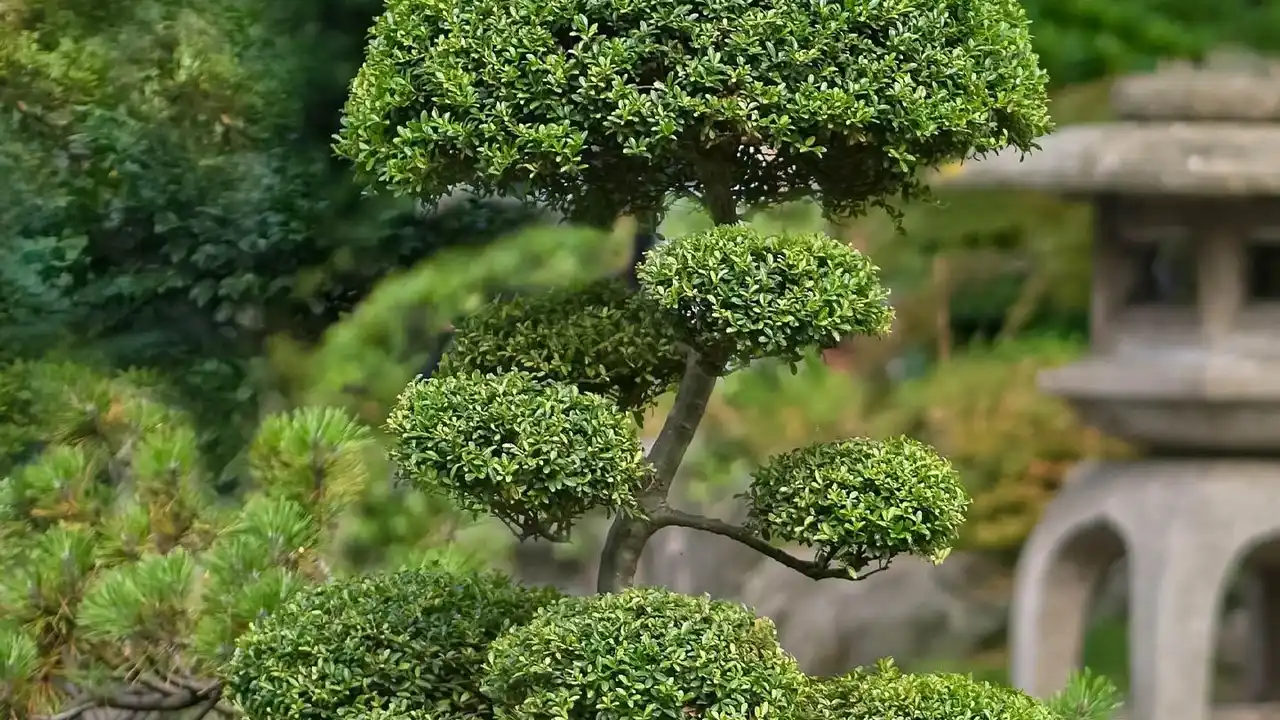




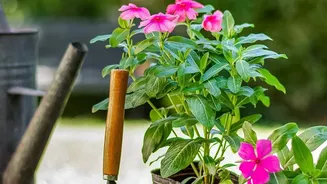

Why August is Prime Time for Pruning
Pruning in August isn't about a drastic overhaul. Instead, it's a strategic task to set up your garden for success in the coming months. After a period of vigorous growth, many plants can look overgrown or 'leggy'. A light trim helps redirect the plant's
energy from making leaves to producing more flowers and stronger roots. It’s also a crucial housekeeping month. Removing dead, damaged, or diseased branches tidies the plant and, most importantly, improves air circulation. This is vital during the humid monsoon season to prevent fungal diseases from taking hold. Think of it as a health check-up that encourages your plants to put on a final, beautiful show before the weather cools.
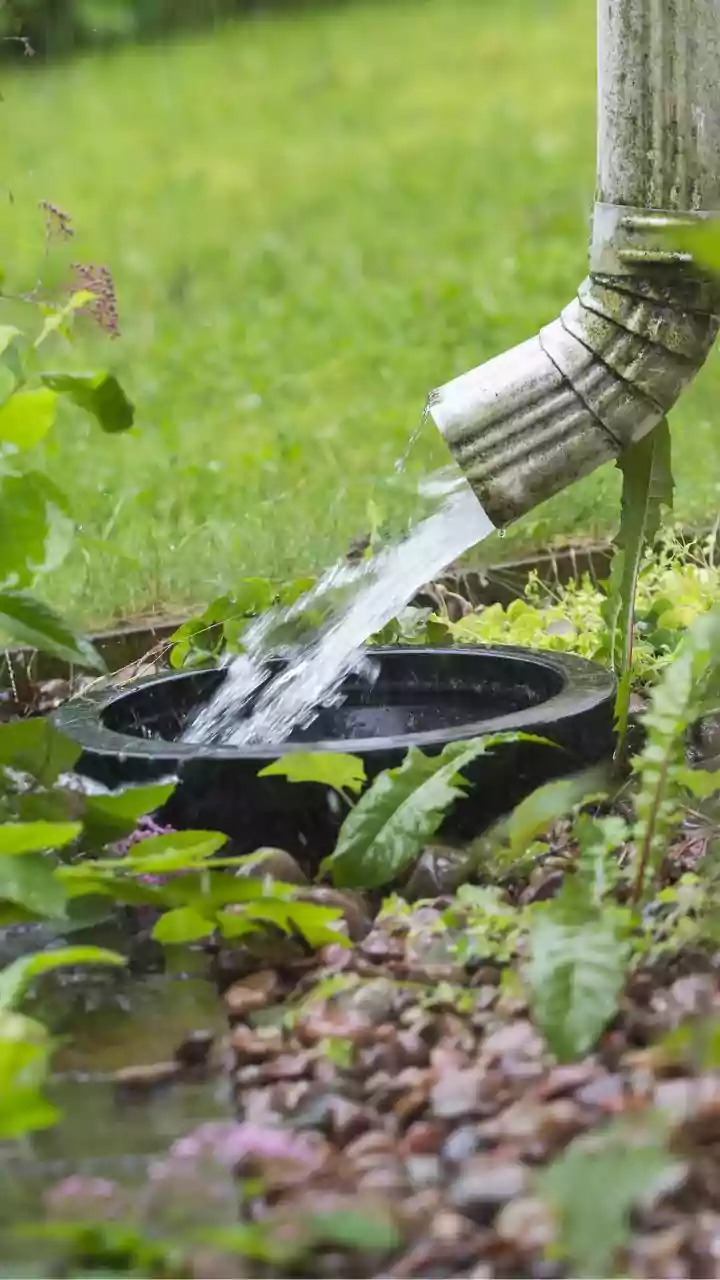
Gardening in the Rain: Monsoon Pruning
For the large parts of India experiencing heavy monsoon rains, August pruning requires a delicate touch. The high humidity and constant moisture create a perfect breeding ground for fungal infections on fresh cuts. To counter this, timing is everything. Try to prune during a dry spell or on a morning when rain isn't forecast, allowing the wounds to dry. Focus on corrective pruning: remove any branches broken by strong winds and rain, and thin out dense canopies to let air flow freely. For popular monsoon-loving plants like hibiscus and ixora, this is a great time to remove spent flowers and weak stems to encourage a bushier shape and more blooms. Always use sharp, sterilised tools to make clean cuts that heal faster and are less susceptible to disease.
The Dry Approach: Pruning in Arid and Semi-Arid Zones
In regions with lower rainfall, such as parts of Rajasthan or the Deccan Plateau, the pruning strategy in August shifts. Here, the primary concern is not excess moisture but conserving it. Heavy pruning can stimulate a flush of new growth that the plant may struggle to support with limited water. Focus on removing only what is necessary: dead, diseased, or crossing branches that chafe against each other. Lightly shaping shrubs is acceptable, but avoid cutting back more than a third of the plant's volume. For flowering shrubs, deadheading—the practice of removing spent blooms—is highly effective. This stops the plant from wasting energy on seed production and encourages it to produce more flowers with the resources it has.
Prepping for the Cold: Hilly and Temperate Regions
In India's northern plains and Himalayan foothills, August pruning is about preparing for the approaching cooler weather. While major structural pruning is best left for the dormant winter season, late summer is an excellent time for a tidy-up. For plants like roses and lavender, a light trim now will encourage a final flush of flowers and prevent them from becoming woody and unkempt. The key is to avoid any hard pruning. An aggressive cut can stimulate new, tender growth that won't have time to harden before the first frosts, leaving the plant vulnerable to cold damage. Restrict yourself to removing spent flower spikes, shaping unruly growth, and clearing out any dead wood identified after the monsoon showers.
Your August Pruning Checklist
While climate is king, some general rules apply to popular garden plants across the country. Roses benefit greatly from deadheading and the removal of weak or yellowing leaves to boost air circulation. Wisteria needs its long, whippy summer shoots cut back to encourage the development of flowering spurs for next year. Perennials like salvia can be cut back after their main flowering to trigger a second, smaller bloom. For many flowering shrubs like bougainvillea, a light trim can stimulate more flowers, but heavy pruning should wait until after the main bloom cycle is over. Always observe your plant: if it's still actively and happily flowering, just deadhead it and save any significant trimming for later.