


Your Phone's Built-In Compass to the Cosmos
At its core, a stargazing app turns your smartphone into a powerful tool for celestial navigation. These apps leverage the hardware already inside your device: the GPS, magnetometer (compass), and gyroscope. When you launch an app and grant it location
access, it instantly knows your precise position on Earth. It then uses the phone's orientation sensors to understand exactly where you're pointing it in the sky. By combining your location with the current date and time, the app generates an accurate, real-time map of the stars, planets, and constellations visible above you. You don't need to know north from south; the app does all the heavy lifting, creating a seamless window into the heavens that was once the exclusive domain of experienced astronomers.
Augmented Reality Brings the Stars Down to You
The real magic for many users is the Augmented Reality (AR) feature. Instead of just showing you a static map, AR overlays celestial information directly onto your camera's live view of the sky. Point your phone at a bright dot, and the app will draw the constellation lines, label the star with its name (like Sirius or Vega), and might even display artwork of the mythological figure it represents. This technology removes the guesswork entirely. You no longer have to compare a chart to the sky and wonder if you've found the right pattern. The app visually connects the dots for you, identifying everything from the International Space Station (ISS) flying overhead to distant galaxies. This immersive experience makes learning the night sky intuitive and engaging for all ages.
Cutting Through the Urban Glow
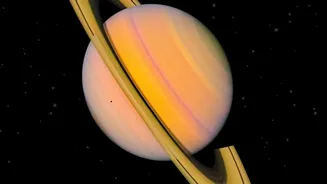
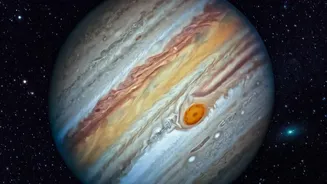
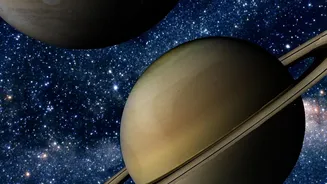
Light pollution is the biggest obstacle for any urban stargazer. City lights wash out all but the brightest celestial objects, making it difficult to spot faint stars and constellations. Many advanced stargazing apps now include features specifically designed to combat this. Some have a light pollution filter or a magnitude setting that you can adjust based on your surroundings. By setting the app to an 'inner city' level, it will only display the objects that are realistically visible through the glow, preventing you from searching for stars that are impossible to see. This manages expectations and helps you focus on achievable targets like bright planets (Jupiter, Saturn), the Moon, and the most prominent constellations, making your stargazing session far more rewarding.
A Personal Guide to the Heavens
Beyond simple identification, these apps serve as comprehensive astronomical guides. Many include a calendar of celestial events, sending you notifications for upcoming meteor showers, eclipses, or optimal planet-viewing nights. They often contain vast databases of information; tapping on any object can bring up details about its distance, composition, and history. Some apps feature a 'Time Travel' function, allowing you to scroll forward or backward in time to see how the sky will look on a future date or how it appeared in the past. This transforms your phone from a simple star-finder into an interactive educational tool, feeding your curiosity and helping you plan your next celestial adventure without ever leaving your neighbourhood.