



Prevention First: Prepare Paws for the Puddles
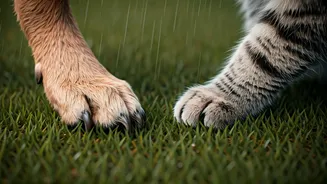
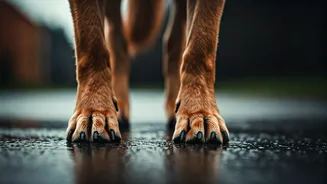
The best way to treat irritation is to prevent it from happening. Before the rainy season gets into full swing, a little prep work can make a big difference. For long-haired breeds, regularly trimming the fur between their paw pads is essential. This
simple step prevents the hair from trapping excess mud and moisture, which can lead to fungal or bacterial growth. Another great preventative measure is using a paw balm or wax before walks. These products create a protective barrier on the paw pads, repelling water and preventing the skin from becoming overly dry or cracked from repeated exposure to wet conditions. For pets who will tolerate them, waterproof booties offer the ultimate protection, keeping paws completely clean and dry.
The Post-Walk Cleanup Routine
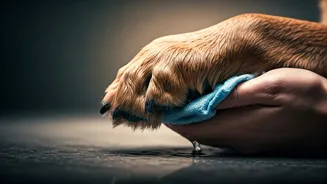
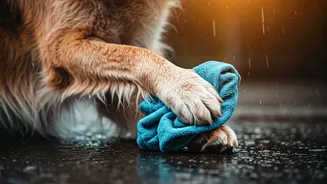
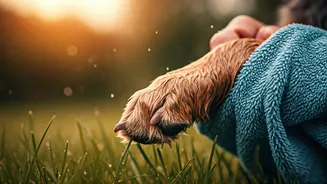
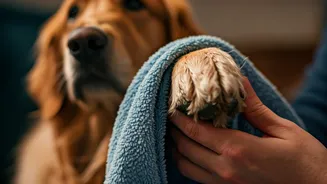
A consistent cleaning routine after every walk is non-negotiable during the monsoon. For light dirt, pet-safe grooming wipes can be a quick and convenient option. However, for truly muddy paws, a more thorough wash is necessary. Use a bowl of lukewarm water and a gentle, dog-safe shampoo. Avoid human soaps or harsh detergents, as they can strip the natural oils from your pet's skin. Gently wash each paw, paying close attention to the spaces between the toes where mud and debris love to hide. The most critical step is drying. Pat each paw completely dry with a clean towel, ensuring no moisture is left between the pads, as dampness can encourage infections.
Spotting the Signs of Irritation
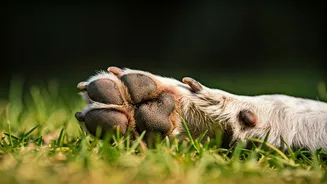
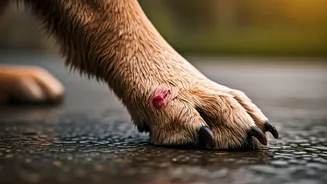
Even with the best care, irritation can sometimes occur. It's important to regularly inspect your dog's paws and know what to look for. Telltale signs of a problem include excessive licking or chewing of the paws, redness, and swelling. You might also notice your dog limping or showing reluctance to walk. A strong or musty odour from the paws often indicates a yeast or bacterial infection, which thrives in moist conditions. If you see any open sores, discharge, or if the paw feels warm to the touch, it's a clear signal that something is wrong.
Soothing Solutions for Sore Paws
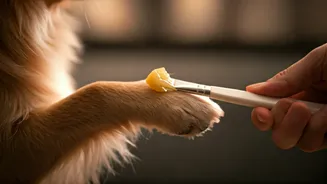
If you notice minor redness or your dog seems uncomfortable, there are several safe home remedies you can use for soothing relief. A simple foot soak in warm water with dissolved Epsom salts can help reduce inflammation. An oatmeal bath is another classic remedy for soothing itchy, irritated skin. For moisturizing dry or slightly cracked pads, a thin layer of organic, unrefined coconut oil can be beneficial, as it has natural moisturizing properties. Similarly, pure aloe vera gel can be applied to soothe minor irritations, provided it's free from additives. Always ensure your dog doesn't ingest too much of any topical remedy by distracting them after application.
When to Consult Your Veterinarian
While home care is effective for minor issues, some symptoms warrant immediate professional attention. If your dog is in severe pain, refusing to put weight on its paw, or if there is significant swelling, pus, or bleeding, it's time to call the vet. Open wounds that don't heal, a foul odour that persists despite cleaning, or irritation that worsens or spreads are also signs of a more serious infection that may require antibiotics or antifungal medications. Home remedies can provide temporary relief, but they don't address underlying infections. A veterinarian can accurately diagnose the problem and provide the correct treatment to get your pet back on its feet.