





The Volatile Trio: Onions, Tomatoes, and Potatoes
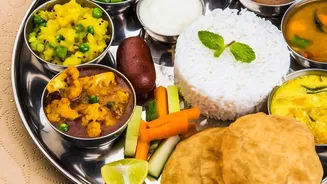
No Indian kitchen can function without the foundational trio of onions, tomatoes, and potatoes. Unfortunately, they are also the biggest culprits behind unpredictable grocery bills. In September 2026, the cost of preparing a vegetarian thali at home saw
a 10% year-on-year increase, largely driven by a staggering 89% jump in onion prices alone. This volatility is often due to seasonal supply chain issues, with delayed harvests and poor rainfall directly impacting availability. For instance, insufficient rain can delay the arrival of fresh kharif crops, causing prices of stored produce to shoot up just as festive demand peaks.
The Protein Pillar: Dals and Pulses
Dal is the backbone of Indian vegetarian meals, but this essential protein source has seen a steady price climb. The cost of pulses like toor (arhar) dal and urad dal has consistently increased over the past few years, making them a significant recurring expense. Factors influencing dal prices are complex, involving everything from the monsoon's performance, which affects sowing and yield, to government import policies and minimum support prices (MSP). Weather-related production risks and tight inventories before new harvests can lead to sharp price increases that directly impact the cost of your daily dal-chawal.
The Dairy Driver: Milk and Paneer
For many vegetarians, dairy products like milk, curd, and paneer are crucial sources of protein and calcium. However, the cost of dairy has been on a consistent upward trend. Milk prices have seen double-digit inflation in recent years, which naturally pushes up the cost of all its derivatives. These increases are tied to rising fodder costs for cattle, transportation expenses, and the overall processing and packaging costs, which are then passed on to the consumer at the retail level. A higher milk price means your morning chai, daily curd, and weekly paneer curry all contribute more significantly to your final bill.
The Cooking Medium: Edible Oils
The price of cooking oil is another major component of the household budget that has faced significant pressure. Vegetable oil prices were projected to rise around 10% year-on-year in October 2026. These costs are heavily influenced by global events, such as geopolitical conflicts that disrupt supply chains and international production levels of crops like palm and sunflower. Even though India is a major producer of oilseeds, it relies heavily on imports, making domestic prices susceptible to global market fluctuations. This means international events can directly increase the cost of frying a simple pakora at home.
The Foundational Grains: Rice and Atta
Rice and wheat flour (atta) form the very base of most Indian meals. While often more stable in price compared to vegetables, they are not immune to inflation and have become more expensive. According to CRISIL's Roti Rice Rate indicator, rice prices were one of the components that pushed up thali costs in September 2026. Government procurement policies, buffer stock levels, and export regulations play a huge role in determining their cost. Any disruption in the production cycle due to weather or changes in government policy can lead to a gradual but noticeable increase in the price of these absolute essentials.