




The Philosophy of Happiness
In Bhutan, the national vision is guided by the philosophy of Gross National Happiness (GNH), a concept that balances material and spiritual well-being. GNH stands on four pillars: good governance, sustainable socio-economic development, preservation
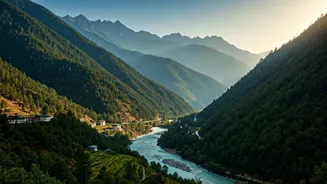
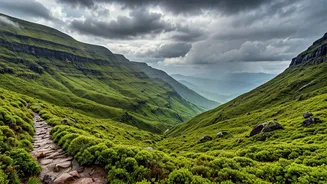
of culture, and environmental conservation. For travellers, this isn't just an abstract policy; it’s the very air you breathe. The pristine landscapes, the vibrant yet preserved culture, and the unhurried pace of life are all direct results of this unique national focus. It transforms a simple vacation into an immersive experience in a country that has actively chosen a different, more mindful path to progress.
Your Contribution to Conservation
Bhutan’s commitment to high-value, low-impact tourism is embodied in its Sustainable Development Fee (SDF). While international tourists pay a significant daily fee, visitors from India pay a much more modest one (currently INR 1,200 per person, per night). It’s easy to view this as just another tax, but its purpose is profound. This fee directly funds Bhutan's public services, including free healthcare and education for its citizens, and underpins the ambitious conservation efforts that keep its forests pristine and its carbon footprint negative. By paying the SDF, you are not just a tourist; you are an active partner in Bhutan's sustainable development, ensuring the very things you’ve come to admire can be preserved for generations.
Tread Lightly on Sacred Ground
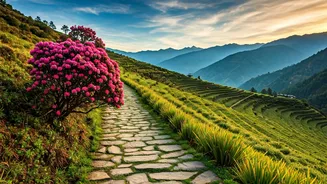
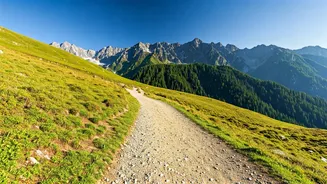
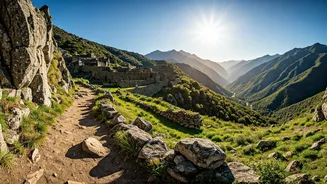
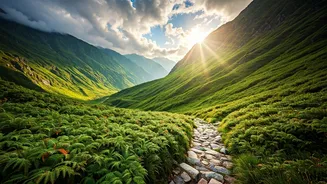
The eco-vibes in Bhutan are best experienced on foot. The country is a trekker's paradise, with trails ranging from gentle day hikes to legendary multi-week expeditions like the Snowman Trek. These journeys take you through spectacular national parks, past ancient monasteries (dzongs), and into remote villages. But sustainability here goes beyond just hiking. You can engage in community-based tourism by staying in a traditional farmstead, where you can participate in daily chores, learn to cook Bhutanese delicacies like 'Ema Datshi' (chillies and cheese), and gain a real appreciation for a life lived in harmony with the land. The nationwide ban on plastic bags, in place since 1999, is another small but powerful reminder of the country’s deep-rooted environmental ethic.
Where to Stay Sustainably
Accommodation in Bhutan is an extension of its eco-conscious philosophy. You won't find sprawling, generic resorts that scar the landscape. Instead, you have a choice of beautiful, locally-inspired options. At the higher end, luxury eco-lodges are designed to blend seamlessly with their surroundings, often using traditional building techniques and locally sourced materials. They champion sustainability through solar power, waste management, and by employing and training local staff. For a more intimate experience, a growing number of family-run guesthouses and homestays offer warm hospitality and an authentic glimpse into Bhutanese life. These stays not only reduce your environmental impact but also ensure your money directly supports local communities.
A Culture Rooted in Nature
In Bhutan, respect for the environment is not a new trend; it's a centuries-old tradition embedded in its Vajrayana Buddhist culture. Mountains, rivers, and forests are considered sacred, the homes of deities. This spiritual connection fosters a powerful, instinctual drive for conservation. You will see this in the untouched peaks (mountaineering is banned on peaks above 6,000 metres out of respect), the abundance of wildlife, including the rare black-necked crane, and the stories and folklore that tie the Bhutanese people to their natural world. Visiting Bhutan is an opportunity to witness how culture and conservation can be inextricably linked, creating a society that instinctively protects its greatest asset: its environment.