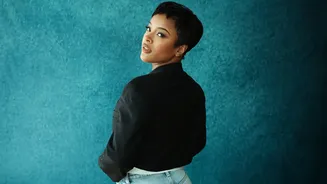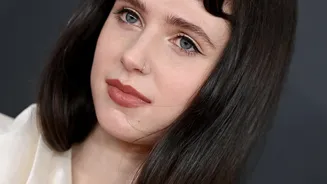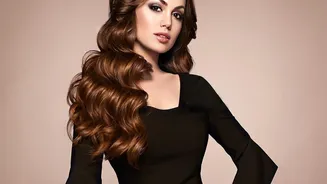

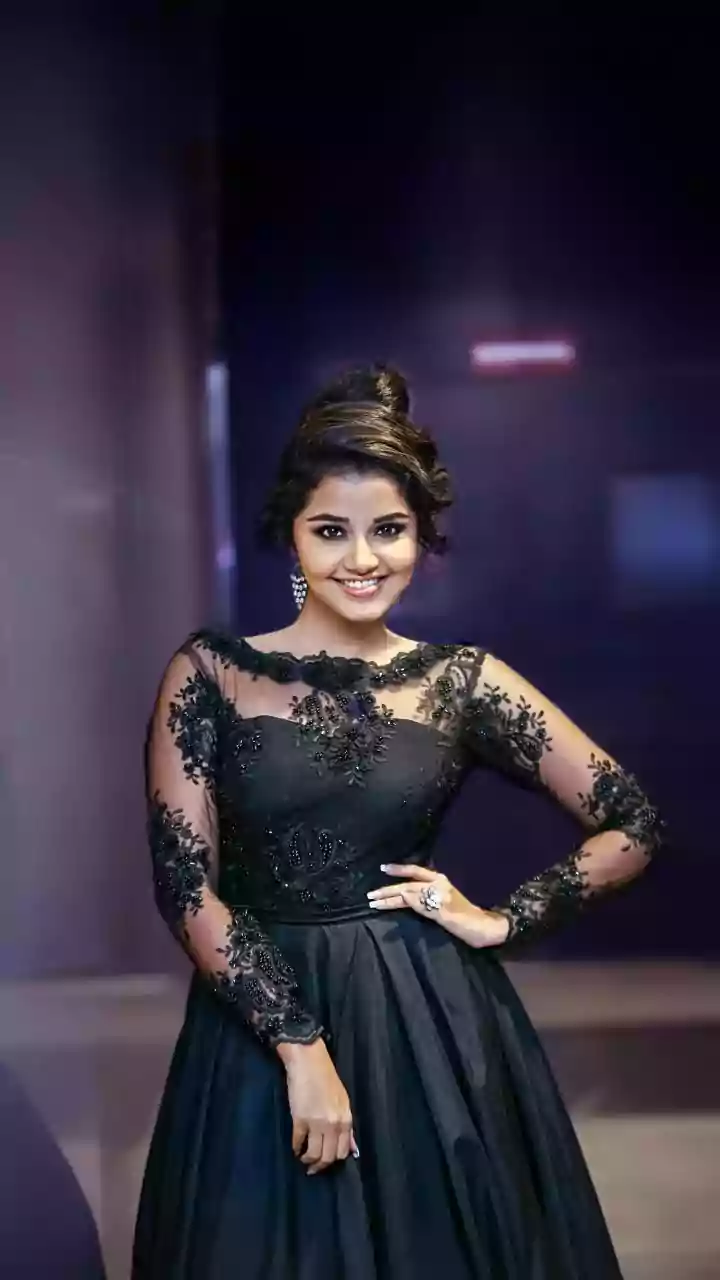





What Are Face-Framing Layers?
Face-framing layers are strategically shorter pieces of hair cut around the front to contour and highlight your facial features. Unlike all-over layers that are distributed throughout the head to create volume and remove bulk, face-framing is a targeted
technique. Think of it as a spotlight for your face; the layers are designed to draw attention to your cheekbones, jawline, or eyes. They blend seamlessly into the rest of your hair, which means you can get a fresh, dynamic look without sacrificing your overall length. This makes it an ideal choice for anyone wanting a noticeable but low-risk change.
The Universal Appeal of This Flattering Cut
One of the greatest benefits of face-framing layers is their versatility. This style works well for nearly every face shape and hair type. For those with round faces, layers that start below the chin can create an elongating effect. Square face shapes can be softened with wispy, feathered layers that break up strong jawlines. Oval faces have the most flexibility and can wear almost any style of frame, while heart-shaped faces benefit from layers that start at the chin to add balance. The technique is also adaptable for different hair textures. In fine hair, it creates the illusion of more volume, while in thick hair, it can reduce weight without sacrificing body. For wavy and curly hair, these layers enhance natural texture and bounce.
How to Ask Your Stylist for the Perfect Frame
Clear communication is key to getting the haircut you want. Simply asking for 'face-framing layers' can be interpreted differently by stylists, so it helps to be specific. Bringing inspiration photos is always a great start, but also be prepared to describe what you like. The most crucial detail is where you want the shortest layer to begin. Use your own face as a guide, pointing to your cheekbone, lip, chin, or collarbone. Words like 'soft,' 'blended,' or 'wispy' will communicate that you want a natural look, not a chunky or blunt one. It's also helpful to mention your daily routine; if you rarely heat-style or frequently wear your hair up, your stylist can adjust the cut accordingly.
Everyday Styling Made Simple
A great cut should make your life easier, and face-framing layers do just that by giving your hair built-in shape. For a quick, polished look, use a round brush while blow-drying, pulling the front pieces up and away from your face to create lift and a soft, sweeping effect. This is one of the most effective ways to show off the movement in your new layers. If you prefer air-drying, the layers will still add natural texture and prevent your hair from looking flat. For a more defined style, you can use a curling iron or flat iron to add a gentle bend to the front pieces, always curling away from your face for the most flattering finish. Even when you tie your hair back, leaving the shorter pieces out creates an effortlessly chic look.
Maintaining Your Look
The beauty of face-framing layers is that they grow out gracefully, meaning you won’t be tethered to the salon. Unlike bangs, which require frequent trims, these longer layers blend into the rest of your hair as they grow. To keep the shape looking its best, you’ll typically only need a refresh during your regular haircut appointments, usually every 8 to 12 weeks for softer, longer layers. If you have a sharper, more defined frame that starts at chin-length, you might want a trim every 8 to 10 weeks to maintain the crisp angle.