




The Burnout of Working from 'Home'
The remote work revolution promised freedom, but for many, it has meant the office simply moved into the living room. The lines between work and life have blurred into a monotonous loop of notifications, deadlines, and the same four walls. Urban environments,
with their constant noise and distractions, can drain mental energy, leading to what is known as cognitive overload. Even when working from home, the psychological weight of city life—the traffic, the pollution, the sense of urgency—lingers. This persistent, low-grade stress makes deep, focused work a challenge, leaving many professionals feeling busy but not truly productive.
Enter Kangra Valley: An Office with a View
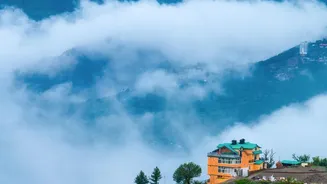
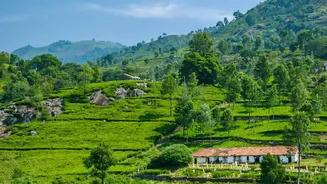
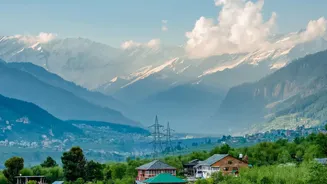
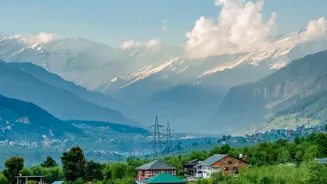
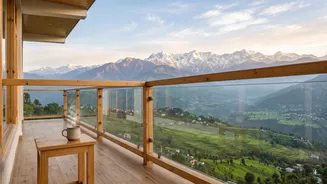
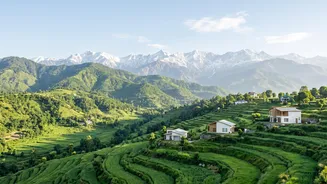
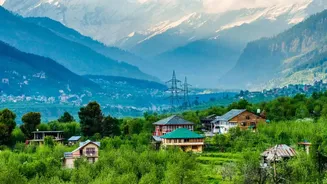
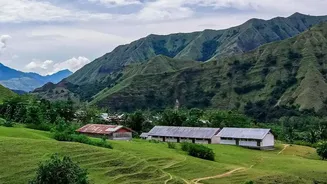
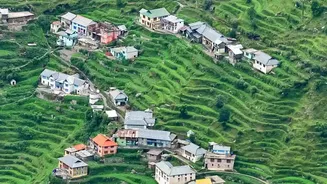
Now, picture a different kind of workday. You wake up to the sound of birds, not an alarm clock. Your office is a balcony overlooking the pine-covered slopes of the Dhauladhar mountain range. This is the reality for a growing number of digital nomads and remote workers flocking to the Kangra Valley in Himachal Pradesh. Towns like Dharamshala, Bir, and Palampur have become hotspots for those seeking to blend professional ambition with a more mindful pace of life. The appeal is simple: fresh air, stunning landscapes, and a profound sense of peace that is nearly impossible to find in a bustling metropolis.
The Science of Serenity and Focus
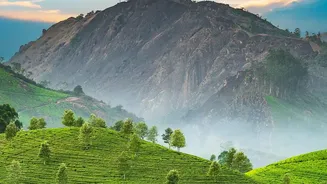
The claim that natural surroundings can double work output might sound like an exaggeration, but it's grounded in science. Environmental psychology has long shown that exposure to nature has restorative effects on the brain. According to Attention Restoration Theory (ART), natural environments allow our minds to recover from the mental fatigue of directed attention. Unlike a busy city street that constantly demands our focus, a mountain view or a forest walk engages the brain effortlessly, reducing stress and improving cognitive function. Studies have shown that even having a view of nature can increase productivity and creativity by up to 15%. Lower stress levels, combined with fewer distractions, create the ideal conditions for deep work—the kind of focused, high-value output that is often elusive in a typical home office.
More Than Just a Pretty Place
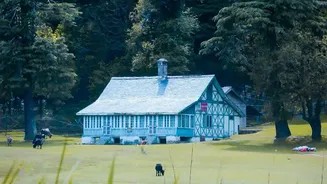
The dream of working from the mountains is only viable if the infrastructure supports it. A decade ago, this lifestyle was reserved for those who could afford to disconnect completely. Today, the Kangra Valley is remarkably well-equipped for the modern professional. Homestays and guesthouses in areas like Dharamkot and Bir now widely offer reliable, high-speed fiber internet, with speeds often reaching 100-200 Mbps. Many properties are specifically designed for remote workers, featuring comfortable desks, power backups, and shared kitchens. Beyond the practicalities, a vibrant community of like-minded individuals has emerged. Coworking spaces, cafes with strong Wi-Fi, and regular community events provide opportunities for networking and collaboration, ensuring that peaceful solitude doesn't turn into social isolation.
Redefining Productivity in the Himalayas
So, can you really 'double' your output? Perhaps the question isn't about churning out twice the number of emails or reports. Instead, productivity in the Kangra Valley is being redefined. It's about the quality of the work, not just the quantity. When your mind is clear and your stress levels are low, you're better equipped to tackle complex problems and think creatively. The 'extra' time isn't spent on more work, but on activities that replenish your energy: a morning trek, a yoga session, or simply enjoying a cup of tea while watching the sunset over the mountains. This holistic approach to the workday leads to better ideas, more sustainable performance, and a dramatic improvement in overall well-being. The result is a more effective professional, not just a busier one.