





Understanding the Core Problem
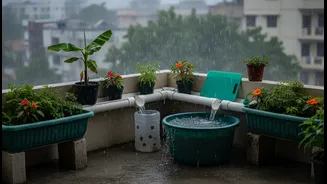
Balcony flooding rarely has a single cause. Most often, it is a combination of factors that turn a pleasant outdoor space into a liability during a downpour. The most common culprit is a blocked drain. Over time, leaves, dust, and other debris accumulate
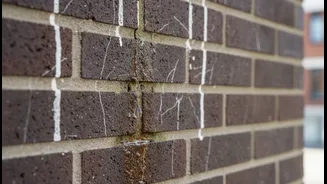
and choke the outlet, leaving rainwater with nowhere to go. Another frequent issue is an improper floor slope. Ideally, a balcony floor should have a gentle gradient that naturally guides water towards the drain. If the floor is perfectly flat or, worse, slopes away from the drain, water will inevitably pool. Finally, the sheer intensity of a monsoon cloudburst can sometimes overwhelm a small or poorly designed drainage pipe, causing water to back up faster than it can escape. Left unchecked, this standing water can cause serious long-term damage, including seeping into the concrete slab, causing paint to peel, encouraging mould growth, and even compromising the building's structural integrity by rusting the steel reinforcements within the slab.
Your First Line of Defence
A functional drainage system is more than just a hole in the floor; it is your balcony’s primary defence against water damage. Its main job is to collect and efficiently channel rainwater away from the building. When working correctly, it prevents the formation of stagnant pools that can become breeding grounds for mosquitoes. It also protects the flooring and underlying structure from prolonged moisture exposure, which extends the life of your balcony and prevents costly repairs down the line. Furthermore, a dry balcony is a safe balcony. Waterlogged surfaces, especially those with smooth tiles, can become extremely slippery and pose a significant fall risk for family members. A small investment in ensuring your drainage is effective is an investment in the health and safety of both your home and your family.
Affordable Drainage Solutions to Consider
You do not need a major renovation to improve your balcony’s drainage. Several low-cost solutions can make a significant difference. The simplest step is upgrading the drain cover. Many standard drains have grates with very small openings that clog easily. Replacing this with a well-designed cover that has larger outlets can immediately improve flow. For more persistent pooling, consider installing scupper drains. These are small openings along the outer edge of the balcony wall that provide an additional escape route for water. Another popular and effective option is a channel drain, also known as a trench drain. This is a long, narrow channel covered by a grate that can collect water across a wider area and direct it to the main outlet. For a simple DIY approach, interlocking deck tiles made of wood or composite material can raise the walking surface, allowing water to flow freely underneath towards the drain.
Simple Maintenance is Always Key
The most effective drainage system in the world will fail if it is not maintained. Thankfully, basic upkeep is simple and costs nothing but a few minutes of your time. Before the monsoon arrives, make it a habit to thoroughly clean your balcony drains. Remove all visible leaves, dirt, and any other debris that may have collected. After cleaning, pour a bucket of water down the drain to ensure it flows freely and is not internally clogged. During the monsoon season, perform a quick check every week or after every heavy rainfall to ensure the drain remains clear. Pay special attention to plants on your balcony, as falling leaves and soil are a primary source of blockages. This small, consistent effort is the single most important factor in preventing waterlogging throughout the rainy season.