


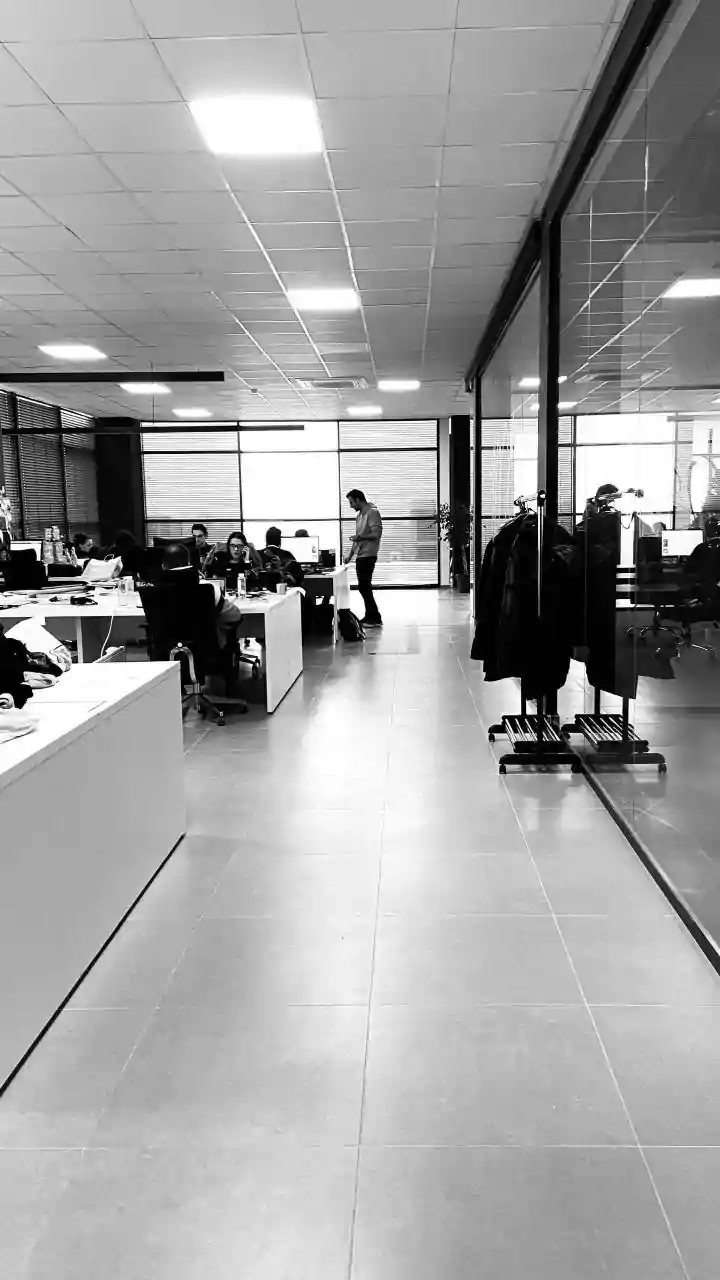







The High Cost of a Packed Calendar
Meetings have long been a cornerstone of corporate life, but a growing body of evidence suggests they've become a significant drain on productivity and morale. Research shows that an average employee can spend over 30 hours a month in meetings, with many
considering at least half of that time wasted. [22] This phenomenon, often called "meeting fatigue," isn't just about lost time; it's about fractured focus. The constant context-switching between tasks and calls disrupts the deep, uninterrupted work required for complex problem-solving. [5, 11] The result is often longer work hours to compensate, increased stress, and eventual burnout. [7, 17] In fact, for large companies, the cost of unnecessary meetings can run into the millions annually. [13, 18]
The Rise of Asynchronous Work
The primary driver of this shift is the widespread adoption of asynchronous communication. Asynchronous, or "async," work means team members collaborate on their own schedules, without the need for an immediate response. [2] This model became essential for remote teams scattered across different time zones, but its benefits are now being recognized everywhere. [3, 8] Instead of calling a meeting for a status update, information is shared through project management tools, detailed documents, or recorded video messages. [1, 4] This creates a culture of documentation and empowers employees to engage with information when they are most productive, rather than being beholden to a rigid, shared calendar. [3, 12] This shift empowers employees, giving them more control and flexibility over their workday, which correlates with higher job satisfaction. [3, 15]
Putting 'Async-First' into Practice
Companies leading this charge aren't just canceling meetings; they're fundamentally changing their communication culture. For example, Shopify made headlines by canceling all recurring meetings with three or more people and introducing "no-meeting Wednesdays." [18] Other companies have implemented similar strategies, like Asana's "meeting doomsday," where all recurring meetings were deleted, forcing teams to justify which ones were truly necessary to reinstate. [18] The key is to shift from using meetings as the default for all communication to using them strategically. This involves setting clear guidelines on when a real-time meeting is necessary (e.g., for complex brainstorming or sensitive feedback) versus when an async method is better (e.g., for status updates or information sharing). [4, 10] Technology plays a crucial role, with tools like Slack, Asana, and recorded video platforms like Loom facilitating this new way of working. [1]
The Tangible Benefits
The move away from constant meetings yields significant advantages. Companies report increased productivity, as employees reclaim large blocks of time for focused work. [2, 9] In one experiment, a tech company that paused meetings for a month saw a 15% increase in employees who felt productive. [16] This approach also fosters a more inclusive environment. By allowing time for thoughtful, written responses, it gives a voice to team members who may be less likely to speak up in a fast-paced meeting. [2] Furthermore, it creates a searchable, documented record of discussions and decisions, reducing ambiguity and making it easier for new team members to get up to speed. [6, 12] Ultimately, it signals a culture of trust, empowering employees to manage their own time and schedules. [3]
Navigating the Challenges
However, shifting to an async-first model is not without its hurdles. A primary challenge is the potential for delayed feedback, which can slow down decision-making on urgent issues. [8, 15] There's also a risk of miscommunication when the nuances of face-to-face conversation are lost in text. [12] Perhaps the biggest obstacle is cultural; a successful async environment requires a high degree of trust, self-discipline, and a deliberate effort to maintain team connection and prevent loneliness. [3, 12] Without the casual interactions of an office, companies must be intentional about creating opportunities for social connection, such as virtual coffee breaks or dedicated non-work channels. [6] A balance is often needed, blending async efficiency with purposeful synchronous meetings to foster connection and tackle complex problems. [10]