



More Than a Treetop View
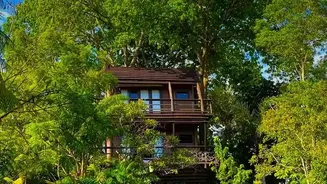
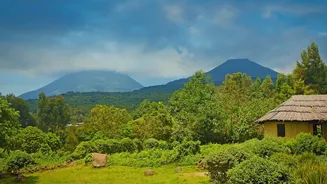
The image of a bamboo treehouse perched high in the canopy is captivating, but in Wayanad, it represents a deeper philosophy. These are not just rustic novelties; they are emblems of a commitment to sustainability. Resorts and homestays across the region
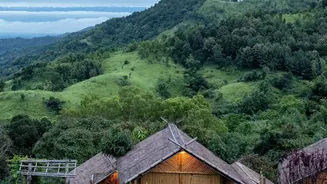
are increasingly adopting eco-conscious architecture, using locally sourced bamboo, wood, and thatch to create structures that are both beautiful and have a low environmental impact. The goal is to offer an immersive nature experience that goes beyond sightseeing. It’s about living, even for a short while, in a way that respects the fragile ecosystem that makes Wayanad so special.
Pioneers of Green Hospitality
Several properties are leading this green revolution. At places like Tranquil Resort, sustainability is structurally integrated, not just a cosmetic feature. Set on a vast 400-acre plantation, the resort generates over 95% of its hot water using biomass boilers fuelled by fallen branches and uses biogas from kitchen waste for cooking. Similarly, Wayanad Wild by CGH Earth operates as a plastic-free retreat, focusing on educational eco-tours and construction using natural materials. Others, like Uravu Bamboo Grove, are community-focused tourism projects, involving local villagers in everything from construction to management, ensuring the economic benefits of tourism are shared.
Rooted in Nature's Design
The eco-friendly approach in Wayanad extends far beyond the choice of building materials. Many resorts are designed to function as self-contained ecosystems. Rainwater harvesting is a common practice, reducing reliance on external water sources. Farm-to-table dining is another cornerstone, with many properties growing their own organic vegetables and spices or sourcing ingredients from farms within a few kilometres. This not only ensures fresh, authentic local cuisine for guests but also supports the local agricultural community. Waste management is also a priority, with systems in place to compost food scraps and minimize what goes to landfills.
The Wayanad Ethos
This shift towards sustainability is no accident. Wayanad was one of the four destinations chosen for Kerala's pilot Responsible Tourism initiative back in 2008. This program was designed to balance economic growth with environmental conservation and social equity. The region's incredible biodiversity, as part of the Nilgiri Biosphere Reserve, makes this balance crucial. The result is a tourism culture that encourages visitors to engage respectfully with the local heritage, from visiting tribal villages to participating in tree-planting workshops. It’s a holistic approach that seeks to preserve the natural and cultural fabric of the district for future generations.
Choosing Your Eco-Conscious Stay
For travellers wanting to make a responsible choice, Wayanad offers a wealth of options. When booking, look beyond the pretty pictures. Check if the resort mentions specific sustainable practices like waste management, renewable energy use (such as solar panels), or water conservation. See if they highlight their connection to the local community, whether through employment or by sourcing local goods. True eco-resorts are transparent about their efforts. Opting for these stays means your travel money contributes directly to preserving the environment and supporting the people who call this beautiful land home.