







From Humble Staple to Urban Superfood
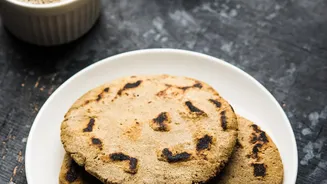
For generations, millets like jowar (sorghum), bajra (pearl millet), and ragi (finger millet) were humble dietary staples, deeply woven into India's rural fabric. Often seen as coarse and old-fashioned, they were largely overshadowed by wheat and rice.
Today, however, these ancient grains are experiencing a remarkable comeback, championed by a new generation of health-conscious urbanites and innovative chefs. This revival isn't just a trend; it's a rediscovery of nutritional powerhouses that are indigenous to the country. Artisanal bakers in cities like Bengaluru, Delhi, and Chennai are at the forefront, transforming these grains into sophisticated breads, cakes, and cookies that cater to a modern palate.
The Undeniable Health Advantages
The primary driver behind this shift is health. Millet flours are nutritional powerhouses, packed with protein, fibre, and essential minerals like magnesium and iron. Unlike refined wheat flour, they are naturally gluten-free, making them an excellent choice for individuals with celiac disease or gluten sensitivity. Furthermore, many millets have a low glycemic index, which helps in managing blood sugar levels, making them a favourable option for diabetics. Their high fibre content aids digestion and promotes a feeling of fullness, supporting overall wellness and weight management. By incorporating these flours, bakers are able to offer products that are not just indulgent but also genuinely nourishing.
The Baker's Creative Challenge
Baking with millet flours is both an art and a science. The main challenge is the absence of gluten, the protein that gives wheat-based breads their characteristic elasticity and airy structure. Without it, baked goods can turn out dense and crumbly. However, this is where the 'artisanal' aspect shines. Bakers are mastering new techniques to create delightful textures. This often involves blending different millet flours to balance flavours or combining them with other gluten-free flours like oat or almond flour. They also use natural binding agents like psyllium husk or experiment with hydration levels to achieve the perfect crumb. For instance, a Bengaluru-based bakery, Loafer & Co, experiments with various grain combinations to create unique millet loaves and focaccia.
A Taste of Modern India
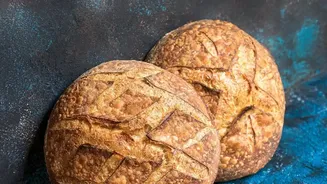
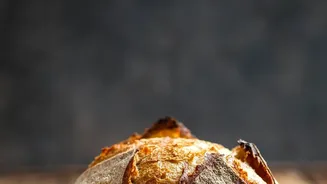
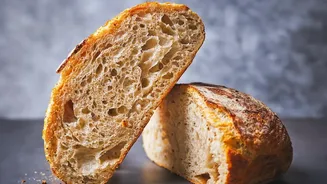
The result of this innovation is a delicious and diverse new menu in city bakeries. You can now find everything from ragi chocolate brownies and bajra cookies to jowar sourdough bread and multigrain loaves enriched with a mix of millets. These are not just health foods; they are gourmet products with complex, nutty, and earthy flavours that offer a welcome change from the usual. Bakeries like Earthy Grains in Noida are focusing on bringing back ancient Indian grains into the mainstream with products free from additives and preservatives. This movement is also inspiring home bakers, who are increasingly experimenting with millet-based recipes for everything from cakes to pizza crusts.
More Than a Trend, A Sustainable Choice
This embrace of native millets is about more than just health; it's a conscious choice towards sustainability and supporting local agriculture. Millets are hardy crops that require significantly less water than wheat and rice and are well-suited to India's climate. By creating a demand for these grains, urban consumers and bakeries are helping to revive traditional farming practices and support biodiversity. It represents a deeper cultural shift—a turning away from globally standardised ingredients and towards a proud celebration of India's rich culinary heritage, reimagined for the modern age.