




The Foundation of Fasting
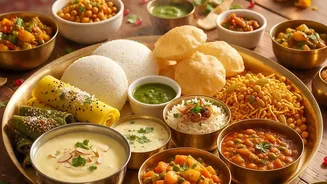
Across regions, the core philosophy of Navratri fasting remains the same: to consume light, pure, and easily digestible foods. This means a temporary farewell to everyday staples like wheat, rice, lentils, onions, and garlic. Regular table salt is swapped
for 'sendha namak' (rock salt), which is considered purer. This shared foundation sets the stage for a nine-day culinary reset, intended to cleanse the body and mind. But from this common ground, two distinct and delicious paths emerge, shaped by local agriculture, climate, and traditions.
The Great Flour Divide
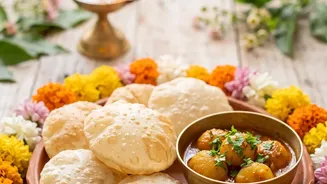
In North India, particularly in states like Punjab, Delhi, and Uttar Pradesh, 'kuttu ka atta' (buckwheat flour) is the undisputed star of the Navratri kitchen. It’s used to make deep-fried 'puris' and 'pakoras' that are often paired with a simple 'aloo ki sabzi' (potato curry). Buckwheat is known for being nutrient-dense and providing sustained energy. Head west to Gujarat and Maharashtra, and you'll find 'rajgira atta' (amaranth flour) and 'singhara atta' (water chestnut flour) are more common. Rajgira is prized for its soft texture, making it ideal for rotis, parathas, and sweets like 'sheera' (halwa). While both regions use these alternative flours, the preference for the robust, nutty flavour of kuttu in the North contrasts with the milder, versatile profile of rajgira in the West.
The Reign of Sabudana in the West
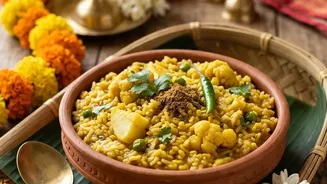
If there's one ingredient that defines Navratri fasting in Western India, it's 'sabudana' (tapioca pearls). In Maharashtra and Gujarat, 'sabudana khichdi'—a savoury mix of soaked pearls, roasted peanuts, potatoes, and mild spices—is a breakfast and mealtime staple. Crispy 'sabudana vadas' (deep-fried patties) and fluffy 'sabudana thalipeeth' (pancakes) are other beloved preparations. Sabudana, derived from cassava root, is a pure starch that provides a quick and easily digestible source of energy, perfect for fuelling long nights of Garba and Dandiya. While sabudana is available and consumed in the North, its prevalence and versatility in the West are unmatched.
Savoury Snacks and Sides
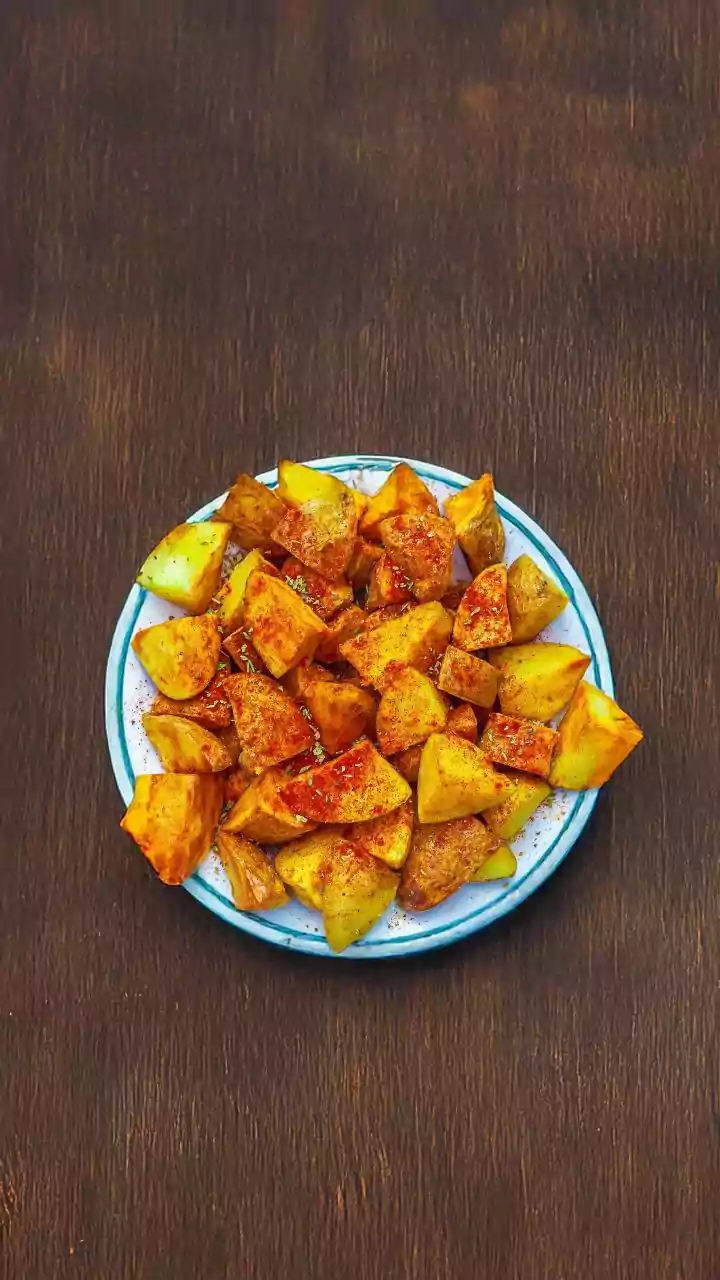
Beyond the main staples, the supporting dishes also highlight regional tastes. In the North, you might find 'shakarkandi ki chaat' (sweet potato chaat) and 'arbi ki sabzi' (colocasia root curry). Potatoes are a constant, often prepared as a simple 'jeera aloo'. In the West, the 'farali' (fasting) menu is more extensive and often more elaborate. Gujarati kitchens prepare 'farali pattice', which are fried potato patties stuffed with a sweet and spicy coconut filling. Maharashtrian households enjoy 'ratalyacha kees', a stir-fry made from grated sweet potato. These dishes showcase the West's affinity for combining sweet, savoury, and tangy flavours even in fasting food.
A Sweet Conclusion
No fast is complete without something sweet, and here too, the regions diverge. Northern households might prepare 'makhane ki kheer', a creamy pudding made with fox nuts, or a simple 'lauki ka halwa' (bottle gourd dessert). In Gujarat and Maharashtra, 'shrikhand', a thick, sweetened yogurt dessert often flavoured with cardamom and saffron, is a popular choice. Mango-based sweets like 'aamras' are also common if the festival falls during the fruit's season. Other popular desserts in the West include 'basundi' (thickened sweet milk) and various 'halwas' made from papaya or amaranth flour.