







From Itineraries to Intentions
A fundamental shift is underway in how young Indians approach travel. The new-generation traveller is less concerned with a packed schedule of sightseeing and more focused on the 'why' behind their journey. [5] Travel is no longer just about reaching
a destination; it's about the emotional and mental state they want to achieve. [2] This translates into 'mood-based' planning, where the goal isn't Paris or Phuket, but rather a feeling—be it the quiet contemplation of a solo mountain retreat, the creative energy of a workshop, or the adrenaline of an adventure sport. [8, 13] It's a move from geography to psychology, where the success of a trip is measured in personal growth and memories, not miles covered or monuments photographed. [5]
The Why Behind the Wanderlust
Several factors are fuelling this trend. For a generation grappling with burnout and the pressures of a hyper-connected world, travel has become a vital form of self-care. [13, 17] A recent report noted that a staggering 93% of Gen Z travellers believe travel improves their mental well-being. [13] Many young travellers admit they are running away from a routine of 'wake up, work, scroll, sleep.' [13] This desire for disconnection is coupled with a rejection of performative, 'Instagram-famous' tourism. More than half of young travellers are now actively avoiding overcrowded destinations in favour of more personal and authentic experiences. [15] They are seeking genuine connection, whether with nature, local communities, or themselves. [8]
What an 'Emotional Escape' Looks Like
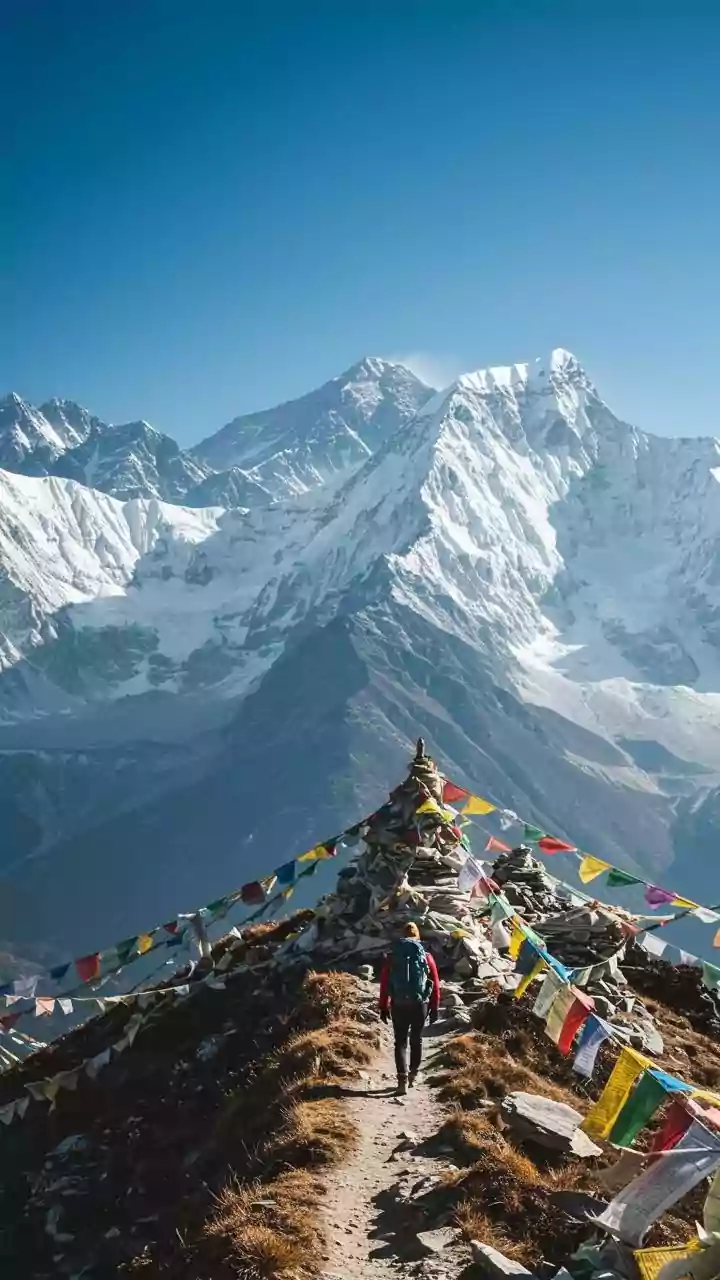
So, what does this new kind of travel look like in practice? It's incredibly diverse. For some, it’s a solo trip, which is a major trend, with 68% of Gen Z and 65% of millennials planning individual journeys to relax and recharge. [2, 5, 7] For others, it's about wellness, a category captivating Indian travellers, with 53% planning trips focused on mental and physical rejuvenation. [20] This can mean yoga retreats in the Himalayas, meditation centres in Dharamshala, or simply a quiet homestay by the sea. [8, 16, 20] Adventure also plays a huge role, but it’s often intertwined with purpose. [18] Think less of a generic safari and more of an eco-lodge stay, volunteering on an organic farm, or trekking to a remote village. [8] The common thread is the search for a transformative experience over a transactional one.
The Travel Industry is Listening
This behavioural shift hasn't gone unnoticed by the travel industry. Hotels and travel companies are quickly adapting to cater to this new mindset. A hotel manager in Gandhinagar noted that guests' desire to relax has evolved into a more direct articulation of seeking emotional and mental wellbeing. [13] Similarly, a property in Sasan Gir observed younger travellers looking for relief from digital and social noise. [13] We're seeing a rise in boutique properties, homestays, and eco-resorts that offer personalised and immersive stays. [15, 19] Travel platforms are also beginning to curate offerings around themes like 'digital detox,' 'mindfulness,' and 'community engagement,' recognising that the modern traveller is shopping for an experience, not just a room. [8, 16]
A Lasting Shift or a Fleeting Trend?
While the focus on feelings is a powerful movement, it’s also susceptible to being commercialised into the next big trend. The pressure to have an 'authentic' or 'transformative' experience can become just as performative as chasing the perfect Instagram shot. [13] Social media, while a source of inspiration for many, also shapes what is seen as desirable, with platforms like Instagram and YouTube heavily influencing travel choices. [3, 6] However, the underlying drivers—a search for meaning, a need for mental respite, and a desire for genuine connection—suggest this is more than just a passing fad. [5, 8] It points to a deeper re-evaluation of what makes a life well-lived, where travel is not an escape from life, but a way to more fully engage with it.