




Your Simple Setup
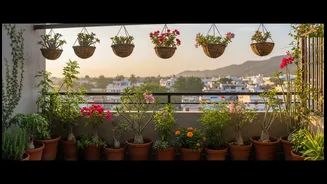
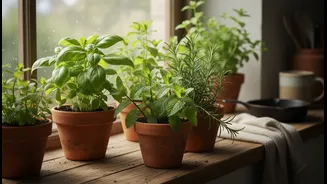
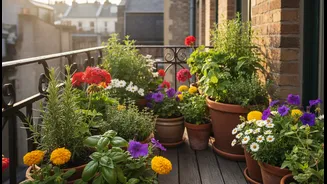
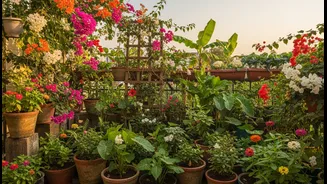
Before you start, get the basics right. You don't need much. Choose pots that are at least 6-8 inches deep with good drainage holes at the bottom; this is crucial to prevent water from rotting the roots. Terracotta pots are excellent as they allow soil
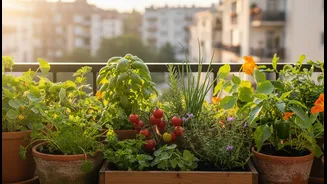
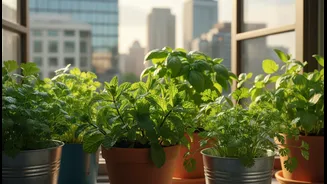
to breathe. For soil, use a light, well-draining potting mix. A combination of coco peat, compost (like vermicompost), and soil is ideal for containers, as it retains moisture without becoming heavy or compacted. Finally, find a spot on your balcony that receives at least 4-6 hours of sunlight, as most herbs need this to thrive. An east-facing balcony with morning sun is often perfect.
Tulsi (Holy Basil): The Sacred Starter
Found in many Indian homes, Tulsi is one of the easiest and most rewarding herbs to grow. It’s revered for its medicinal properties and adapts well to pots. Plant it in a spot with plenty of sunlight and water it regularly, but be sure not to let the soil become waterlogged. You can grow it from seeds, which usually sprout in one to two weeks, or propagate it from a cutting. Regularly pinching off the tips, especially the flower buds, will encourage the plant to grow bushier, giving you more aromatic leaves for your morning chai or to build immunity.
Pudina (Mint): The Unstoppable Freshener
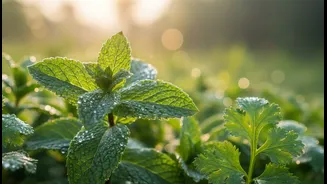
Mint is famous for being incredibly easy to grow—so easy, in fact, that it’s best kept in its own pot to prevent it from taking over your entire garden. It’s a fast-growing herb that thrives in moist soil and can handle partial shade, making it quite forgiving for beginners. The quickest way to start is not with seeds, but with a cutting from a healthy mint plant, which will easily root in a glass of water or directly in the soil. Harvest its leaves regularly for chutneys, raitas, and refreshing drinks. Frequent trimming actually encourages fuller growth.
Dhania (Coriander): The Kitchen Essential
No Indian kitchen is complete without fresh dhania. This herb grows quickly, and you can begin harvesting leaves in as little as three to four weeks. It's best grown from seeds, which can be sown directly into your pot. Interestingly, the whole coriander seeds from your spice jar can be gently crushed into two halves and sown. Coriander prefers cooler weather and moderate sunlight; harsh afternoon sun can cause it to bolt (flower prematurely). Harvest the outer leaves first to allow the plant to continue producing from its centre.
Curry Leaves (Kadi Patta): The Aromatic Staple
While it might take a bit longer to establish compared to other herbs, a curry leaf plant is a low-maintenance and long-term addition to any balcony. It loves sunlight and thrives in the tropical and subtropical climates found across India. Once your plant is established, it will provide you with fresh, aromatic leaves for years, and the flavour is far superior to dried alternatives. Use a deep pot to accommodate its root system and ensure the soil is well-drained. It’s a must-have for tempering dals and adding authentic flavour to countless South and West Indian dishes.
Ajwain (Carom): The Medicinal Marvel
Often mistaken for the spice, the ajwain plant has thick, succulent leaves with a strong, distinctive aroma. It's an incredibly hardy herb that is easy to grow and propagate from cuttings. It thrives in pots and requires moderate sunlight and regular watering. The leaves have a pungent taste and are often used in home remedies for indigestion and colds. Simply plucking a few leaves and chewing on them can be a quick fix for an upset stomach. Its fast growth and low-maintenance nature make it another excellent choice for a beginner’s garden.