






The Festive Dilemma: Joy vs. Expense
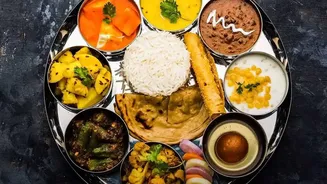
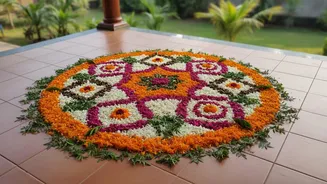
Onam is a time of immense cultural significance, marking the harvest and the homecoming of King Mahabali. The ten-day festival is filled with traditions like creating intricate pookalams, enjoying the grand Onam Sadya, and buying new clothes (Onakkodi).
While these celebrations bring families and communities together, they also represent a period of significant consumer spending. The pressure to celebrate grandly can lead to impulse buys and financial stress long after the festivities end. A well-thought-out budget is not about limiting the joy; it's about managing your finances so you can celebrate without regret.
Step 1: Create a Master Shopping List
Before you even think about prices, list everything you need to buy. This typically includes several categories. For the Onam Sadya, you'll need groceries, with prices of essentials like rice and coconut oil often rising before the festival. Then there is the Onakkodi—the traditional new attire, often a kasavu saree or mundu, for family members. Other common expenses include flowers for the daily pookalam, gifts for loved ones, home decor, and for many Malayalis living outside Kerala, the significant cost of travel. Seeing everything written down provides a clear picture of your potential spending and helps prevent last-minute, unplanned purchases.
Step 2: Set a Realistic Total Budget
Once you have your list, decide on a total amount you can comfortably spend. This figure should ideally come from your savings or any Onam bonus you receive, not from a credit card or loan. Many financial experts suggest allocating a portion of any festival bonus to three key areas: festive spending, savings, and debt repayment. A practical approach is to create separate envelopes or digital pots for each spending category—gifts, groceries, clothes—to keep spending in check. Remember to keep a buffer of about 10-15% for unexpected expenses that inevitably pop up.
Step 3: Hunt for Deals and Compare Prices
Never settle for the first price you see. The weeks leading up to Onam are filled with sales and discounts. Take the time to compare prices both online and in physical stores. For Onakkodi, shopping during pre-Onam sales weeks before the main festival rush can lead to significant savings. When it comes to groceries for the Sadya, buying ingredients that can be used across multiple dishes, like pumpkin or coconut, is a smart way to save. Also, check for government-supported initiatives like Supplyco Onam Fairs, which often sell essentials at subsidised rates to curb price hikes.
Step 4: Timing Your Purchases Wisely
When you shop is just as important as where you shop. As Thiruvonam approaches, prices for high-demand items like flowers and fresh produce tend to increase. Buying non-perishable items like Sadya ingredients, decor, and gifts well in advance can protect you from last-minute price surges. For those travelling home, booking train or flight tickets the moment plans are confirmed is crucial, as fares to Kerala are among the highest of the year during Onam week. Waiting until the last minute is almost always the more expensive option.
Step 5: Embrace Mindful Spending
A budget helps distinguish between what you truly need and what is simply an impulse want. Before making a purchase, especially a large one, ask yourself if it aligns with your festive goals and budget. For instance, rather than buying three outfits on impulse, investing in one high-quality kasavu that will last for years is a better financial decision. The goal is to avoid the temptation to overspend just to impress others or getting swept up in the festive buying frenzy. Mindful spending ensures your purchases add genuine value to your celebration, not just a temporary thrill.