







The Usual Suspects: Pinpointing the Price Pinch
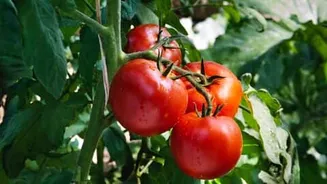
The main characters in this unfolding drama of rising expenses are the undisputed kings of the Indian kitchen: tomatoes, onions, and potatoes. In late June 2026, households are grappling with a sharp spike in the prices of these essentials. According
to data from the Department of Consumer Affairs, average retail tomato prices have surged by over 18% in the past month alone, with onions climbing 11%. In some cities like Delhi, tomato prices have nearly doubled. This isn't just a minor fluctuation; it's a nationwide trend putting tangible pressure on daily budgets. Beyond this core trio, other staples like pulses and spices are also seeing upward price pressure, signaling a broader inflationary trend in the food basket.
Weather Woes: The Monsoon's Role on Your Plate
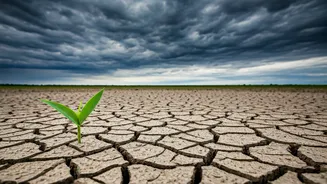
The primary driver behind this price surge is the erratic weather. A combination of intense heatwaves followed by a delayed and uneven monsoon has severely impacted crop production in key agricultural states like Maharashtra, Karnataka, and Uttar Pradesh. The extreme heat damaged delicate crops, reducing yields, while the unpredictable start to the monsoon has disrupted supply chains and harvesting cycles. Experts warn that these weather-related disruptions are likely to keep supplies tight and prices elevated for the next couple of months, potentially through August, until fresh crops from the new sowing season can stabilize the market.
More Than Just Rain: A Supply Chain Squeeze
While the weather is the main culprit, it's not acting alone. Rising transportation costs are another significant factor. An increase in fuel prices adds to the expense of moving produce from farms to markets, and this cost is inevitably passed on to the consumer. This logistical pressure can add anywhere from ₹2 to ₹10 per kilogram to the final retail price of vegetables and grains. Furthermore, there is a notable gap between what farmers receive and what consumers pay. Farmers in some regions report receiving very low prices for their produce, while middlemen and complex supply chains contribute to the inflated prices seen in retail markets. This disconnect highlights systemic issues that compound the problems caused by weather and fuel costs.
Navigating the Price Rise: Tips for the Smart Shopper
While you can't control the monsoon, you can adopt smarter strategies to manage your household budget. Start by planning your meals for the week to reduce impulse buys and food waste. When you shop, be flexible; if tomatoes are prohibitively expensive, consider using tomato puree or switching to recipes that don't require them as a primary ingredient. Shopping at local, smaller vegetable markets or directly from farmer's markets, if possible, can sometimes offer better prices than large supermarket chains. Also, pay attention to seasonality. Buying fruits and vegetables that are in season is almost always more cost-effective. For staples like pulses and grains, consider buying in larger quantities when prices are stable, but only if you have proper storage to prevent spoilage. Finally, incorporating more affordable and nutrient-dense alternatives, like seasonal gourds or leafy greens, can help balance your plate and your budget.