




The Rise of Performative Wellness
Not long ago, a wellness routine was a deeply personal affair. It was the quiet morning meditation, the sweaty yoga class you attended anonymously, or the journal you kept hidden in a drawer. Today, these rituals have migrated from the private sphere
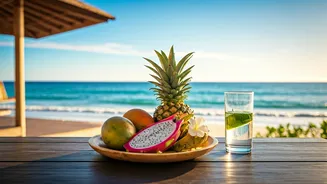
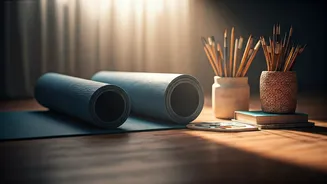
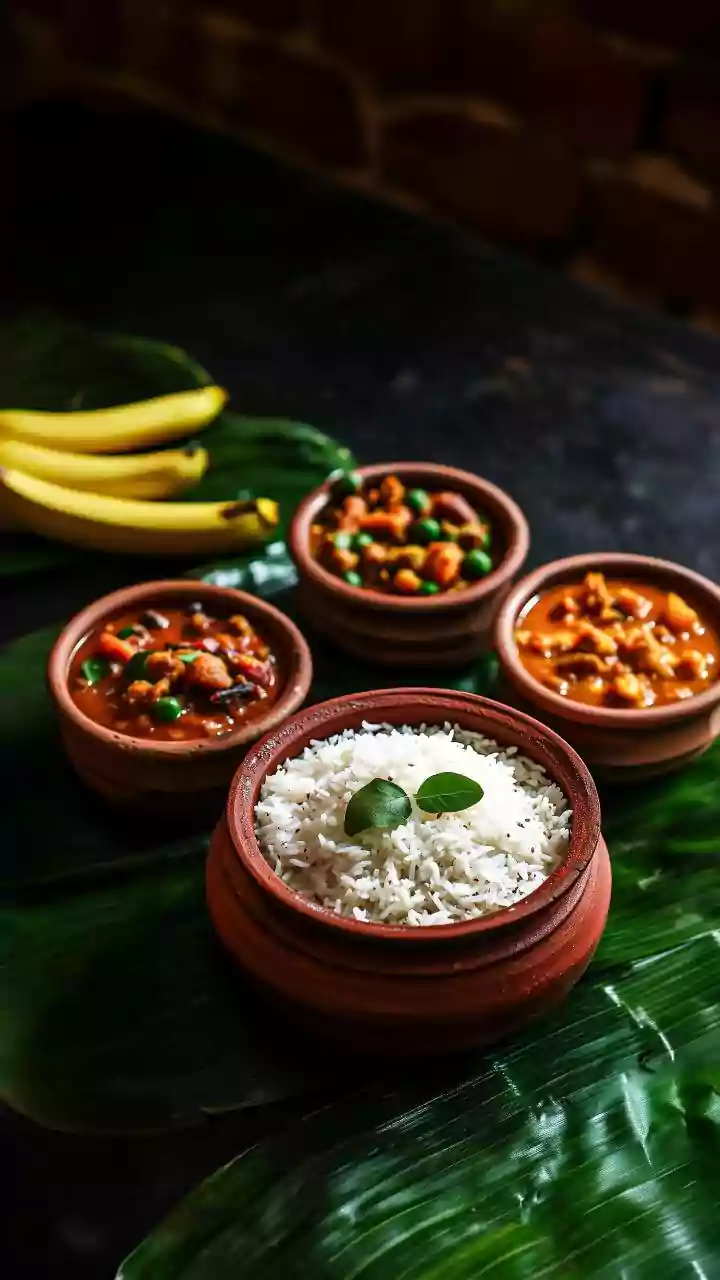
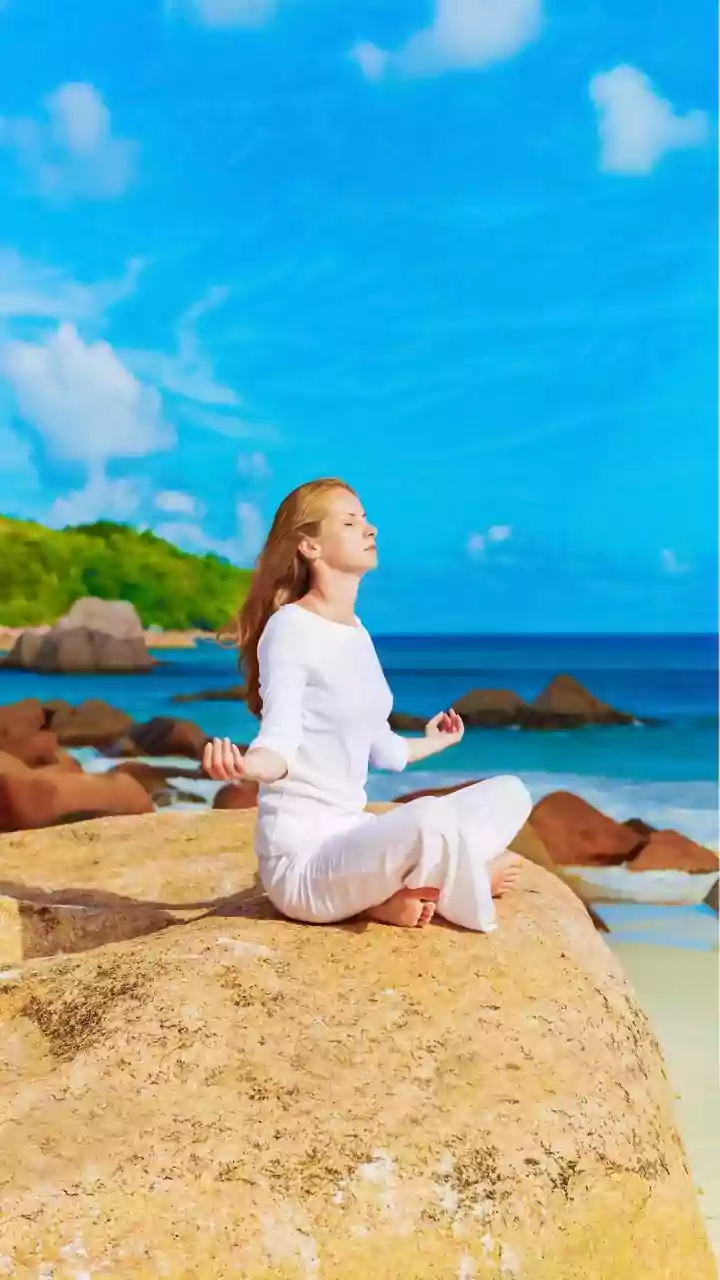
into the public square of social media. We are living in the age of performative wellness, where self-care is not just practised but produced, packaged, and posted for an online audience. Think of the artfully arranged smoothie bowls, the time-lapses of journaling sessions with aesthetic stationery, and the now-ubiquitous ice bath videos. These are no longer just activities; they are content. This shift is most pronounced in travel, where the backdrop of an exotic location elevates a simple wellness act into a powerful statement about one's lifestyle, values, and even social status. The ritual itself becomes a visual trophy.
From Personal Practice to Public Post
So, why are we turning our moments of zen into digital broadcasts? The drivers are complex. For one, social media platforms reward visually compelling and aspirational content. A silent meditation doesn't make for a viral TikTok, but a dramatic cold plunge into a glacial lake certainly can. Documenting these experiences helps us craft a personal brand—a curated online identity that projects health, discipline, and a life well-lived. There's also a powerful element of community. Sharing a wellness journey can foster connection with like-minded individuals, offering a sense of shared purpose and accountability. For many, posting about their morning run or yoga session is a way to find encouragement. However, this communal aspect can easily blur into a pressure to perform. The focus can shift from the internal feeling of well-being to the external validation received in the form of likes, comments, and shares.
The Itinerary as a Storyboard
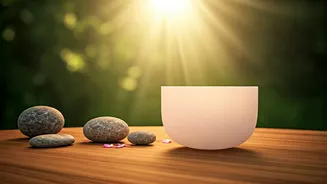
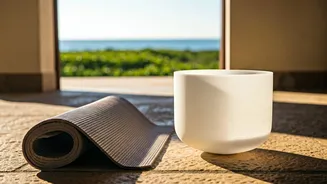
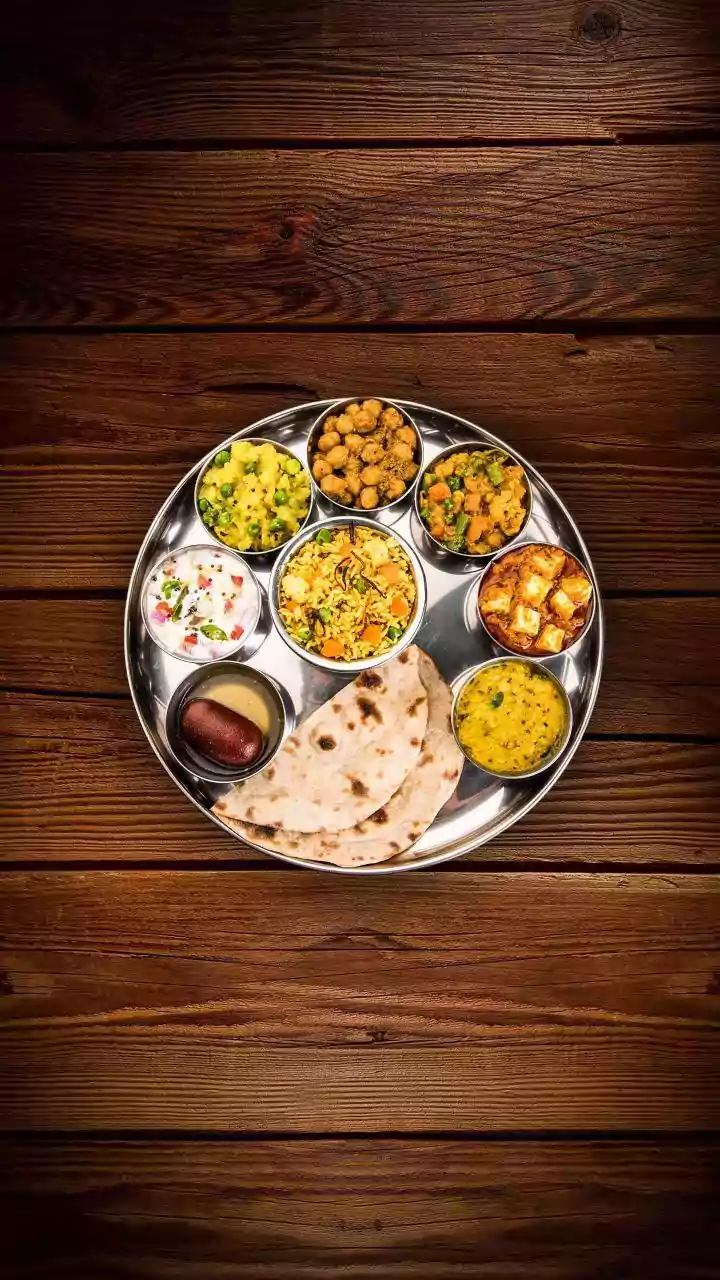
When wellness becomes content, the travel itinerary transforms. A holiday is no longer just a break from work; it's a content-gathering expedition. The destination is often chosen for its 'Instagrammability' and its wellness offerings. Travellers now book retreats not just for the spiritual reset but for the built-in photo opportunities. The schedule is meticulously planned to capture the perfect light for a yoga pose or the ideal angle for a farm-to-table meal. Hotels and resorts have leaned into this trend, designing 'Instagrammable moments' and offering workshops—from sound healing to pottery—that are as much about the visual output as the experience itself. The trip becomes a storyboard, and each activity is a scene designed to tell a compelling narrative of self-improvement and aspirational living. The holiday is lived twice: once in the moment, and again through the curated lens of a social media feed.
The Double-Edged Sword of 'Well-being'
This trend presents a fascinating paradox. On one hand, the visual appeal of wellness content can inspire people to adopt healthier habits. Seeing others prioritise their mental and physical health can be a powerful motivator. But on the other hand, it can create a new form of anxiety. The pressure to make your self-care look beautiful can detract from its core purpose: to genuinely care for yourself. A hike might feel less restorative if you're constantly scouting for the perfect photo spot. A sound bath might lose its meditative quality if you're worried about getting a good video. This commodification of wellness risks turning a source of relief into another source of stress. It sets an often unattainable standard, suggesting that true well-being is only valid if it looks a certain way and is performed in a beautiful location. It raises the question: are we travelling to feel good, or to look like we feel good?