




Understanding India’s Bonus Growing Season
In India's agricultural calendar, the Kharif (monsoon) and Rabi (winter) seasons get most of the attention. But tucked between them is a short, sharp summer season known as Zaid. Running roughly from March to June, it’s the bridge between the winter harvest
and the monsoon sowing. The name 'Zaid' itself means 'extra' or 'additional', which perfectly describes its role as a bonus opportunity for cultivation. Traditionally, this season relies heavily on irrigation, as it coincides with the hottest and driest months of the year. For home gardeners, it represents a golden chance to grow a variety of heat-loving vegetables right when the craving for cooling produce is at its peak.
Why the Renewed Interest in Zaid?
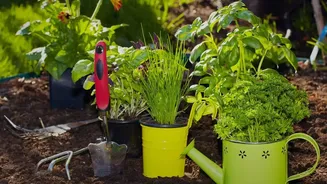
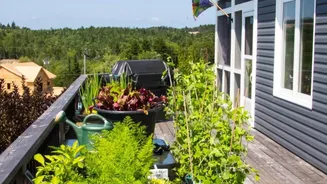
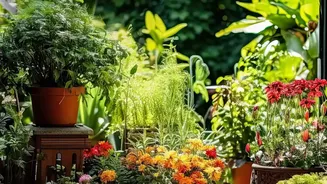
The surge in urban farming is no longer a niche trend but a mainstream movement across Indian cities. Spurred by a desire for fresh, chemical-free produce and the wellness benefits of nurturing plants, city dwellers are transforming balconies, rooftops, and windowsills into productive green spaces. This has put a spotlight on underutilised growing periods like the Zaid season. Home gardeners are realising they don’t need to pause after their winter crop harvest. The ability to grow food for an extra 60-90 days is an attractive proposition, filling the gap before the monsoon planting begins. This trend is driven by a desire for food self-sufficiency, a connection to nature, and the simple joy of harvesting your own meal.
Perfect Timing in a Changing Climate
The headline's call to “review Zaid timing” is more than just friendly advice; it’s a nod to modern gardening realities. While the traditional Zaid window is March to June, urban microclimates and subtle shifts in weather patterns mean a rigid calendar is less reliable. Concrete and asphalt in cities retain heat, creating warmer conditions than in rural areas. Furthermore, increasingly intense summer heat can stress plants, making early sowing in March critical to ensure plants are established before the peak temperatures of May. New gardeners also need to learn through experience, as the ideal sowing week can vary slightly from Bengaluru to Delhi. Paying attention to local weather, rather than just the calendar, is key to success. Increased temperatures can ripen crops faster, but can also lead to undernourished plants if not managed well.
Best Zaid Crops for Your Home Garden
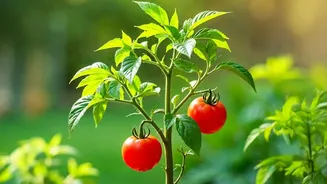
The Zaid season is perfect for a variety of gourds, melons, and quick-growing vegetables that thrive in the heat. For home gardeners with pots and grow bags, some of the best choices include:
- Cucumber: A classic summer vegetable, cucumbers are relatively easy to grow with good support for climbing. They love consistent watering and sun.
- Bitter Gourd (Karela): A staple in Indian cuisine, this plant thrives in high temperatures and well-drained soil.
- Pumpkin (Kaddu): While they need some space to vine, smaller varieties can be managed in large containers or on terraces.
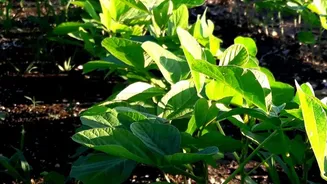
- Okra (Bhindi): An incredibly resilient summer vegetable, okra is a reliable producer that adapts well to different conditions and provides a steady harvest.
- Leafy Greens: Heat-tolerant greens like Amaranth (Chaulai) can provide a continuous harvest throughout the summer.
- Beans: Certain varieties like yard-long beans are excellent climbers for small spaces and are quite productive.
Essential Tips for a Thriving Zaid Garden
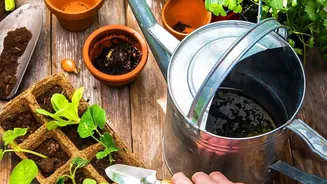
Summer gardening presents unique challenges, but with smart practices, a bountiful harvest is achievable. First, watering is critical. Water deeply in the early morning or late evening to minimize evaporation and ensure moisture reaches the roots. Second, prepare your soil well by adding plenty of compost or organic matter to improve its water-holding capacity. Third, apply a layer of mulch—like dried leaves or straw—on top of the soil. This is a game-changer for retaining moisture, keeping roots cool, and suppressing weeds. Finally, for plants in intense, direct sunlight, consider using a green shade cloth during the hottest part of the day to prevent scorching. This small step can make a huge difference in helping your plants survive and thrive through the peak of summer.