




The Constant Struggle with Weeds
For organic cotton growers, the fight against weeds is a primary cause of production losses. Unlike conventional farming, organic standards prohibit the use of synthetic chemical herbicides, forcing farmers to rely on more strenuous and often expensive
methods. Weeds aggressively compete with young cotton plants for water, nutrients, and sunlight, which can devastate crop yields and fibre quality if not managed. The most common strategies have been manual hand-weeding and mechanical cultivation (tillage). However, a shrinking agricultural labour force and rising wages have made manual weeding economically challenging. Tillage, while effective, can disturb soil microbiology, increase erosion, and harm the long-term health of the farm. This combination of high costs, labour shortages, and agronomic drawbacks has created a significant pain point for an industry dedicated to sustainable practices.
Enter the Autonomous Weeding Robots
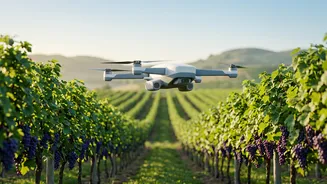
A new generation of agricultural technology is offering a powerful alternative: autonomous robots that identify and eliminate weeds with remarkable precision. These machines, often powered by solar panels, navigate crop rows on their own, using a combination of robotics, computer vision, and artificial intelligence. Their emergence represents a pivotal shift from broadcast spraying or soil-disturbing cultivation to a targeted, plant-by-plant approach to weed management. For organic farmers, this technology provides a way to control weeds efficiently without resorting to the chemical herbicides they are forbidden from using, bridging a crucial gap between sustainability and economic viability.
How Edge AI Makes It Possible
The “brain” behind these robots is Edge AI. The 'edge' refers to the fact that all the data processing happens directly on the machine itself, rather than being sent to a distant cloud server. This allows for the real-time, split-second decision-making necessary for operating in a field. As the robot moves, high-resolution cameras scan the ground, capturing images of every plant. An AI model, trained on millions of images, instantly distinguishes the cotton crop from unwanted weeds based on characteristics like shape, size, and colour. Once a weed is identified, the robot employs one of several non-chemical methods to destroy it. Some models use tiny, sharp hoes for mechanical removal, while others deploy high-powered lasers that eradicate the weed with a pulse of thermal energy, leaving the surrounding soil and crop untouched. This precision minimises soil disruption and is effective even on weeds that are just beginning to sprout.
The Compelling Business Case
The adoption of these robots is driven by clear economic and operational benefits. The most significant advantage is a drastic reduction in the variable and rising cost of manual labour. By automating one of the most time-consuming tasks in organic farming, robots can deliver substantial savings that, according to some industry estimates, allow the machines to pay for themselves within a few growing seasons. Furthermore, by effectively managing weed competition, the robots help increase crop yield and quality. Unlike tillage, laser weeding does not disturb the soil's microbial ecosystem, contributing to healthier soil and better crop growth. This precise approach also eliminates the risk of accidentally damaging the cotton plants during mechanical or manual weeding, leading to a more robust and uniform harvest. For many, this technology provides a more realistic and economical path to successful organic farming.
More Than Just Weed Control
The value of these AI-powered robots extends beyond just removing weeds. As they patrol the fields, their sensors and cameras collect vast amounts of data on crop health, plant density, and soil conditions. This information can be used to create detailed field maps, helping farmers make more informed decisions about irrigation, organic fertilisation, and pest management. Some robots are being developed to perform multiple tasks, such as targeted spraying of organic-approved nutrients or monitoring for early signs of disease. In this sense, the robot evolves from a single-purpose tool into a comprehensive farm management platform, providing insights that can improve efficiency and resilience across the entire operation. This technology is becoming a cornerstone of what is being called Farming 4.0, an era defined by data-driven, autonomous agricultural systems.