







Why Choose Foxtail Millet?
Before diving into the batter, it's worth knowing why foxtail millet, or 'thinai', is such a star. This ancient grain is a nutritional powerhouse, naturally gluten-free and packed with protein and dietary fibre. Its high fibre content helps you feel full
longer, aiding in weight management. With a low glycemic index, it releases sugar into the bloodstream slowly, making it an excellent choice for managing blood sugar levels. Furthermore, it is a good source of essential minerals like calcium, iron, magnesium, and potassium, which support bone strength, heart health, and overall immunity.
Gather Your Ingredients
The foundation of a great idli is simple, quality ingredients. For this recipe, the ratio is key to achieving that desirable soft texture. You will need foxtail millet and urad dal (split black gram), often in a 2:1 or 3:1 ratio. Many recipes recommend two cups of millet to one cup of urad dal. A teaspoon of fenugreek seeds ('methi') is also essential; it aids fermentation and adds to the fluffiness and flavour. Some recipes also include a small amount of poha (flattened rice) or even a bit of regular rice to improve the softness, though a no-rice version is entirely possible and healthier.
The Critical Soaking Stage
Proper soaking is a non-negotiable step for soft millet idlis. Millets have a harder outer layer than rice, so they need adequate time to soften. First, rinse the foxtail millet thoroughly several times until the water runs clear. In a separate bowl, rinse the urad dal and fenugreek seeds. It is crucial to soak the millet and the dal in separate bowls, as they have different grinding requirements. Cover both with plenty of water and let them soak for a minimum of four to six hours. Soaking overnight also works well if you plan to grind the batter in the morning.
Grinding to the Right Consistency
Once soaked, the grinding process begins. A wet grinder is often recommended for the best results as it incorporates air and creates a fluffier batter, but a high-powered mixer grinder will also work. First, drain the urad dal and fenugreek seeds, reserving some of the soaking water. Grind the dal mixture, adding a little water gradually, until it becomes smooth, light, and fluffy—almost like soft butter. Scrape down the sides and remove this batter into a large container. Next, drain and grind the soaked millet. The millet batter can be ground to a slightly grainy texture, which is perfectly fine. Add the ground millet to the same container as the urad dal batter.
The Magic of Fermentation
This is where the magic happens. Add salt to your combined batter and mix it thoroughly. Some traditions advocate for mixing the batter with your clean hands for a few minutes, as the warmth and natural microbes can help kickstert fermentation. Now, cover the container and place it in a warm spot in your kitchen to ferment for at least 8 to 12 hours, or overnight. The batter should nearly double in volume and have a pleasant, slightly sour smell with visible bubbles on the surface. In colder weather, you can place the container in a turned-off oven with the light on to create a warm environment. Be careful not to overferment, especially in summer, as this can make the idlis taste too sour.
Final Checks Before Steaming
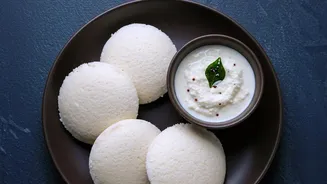
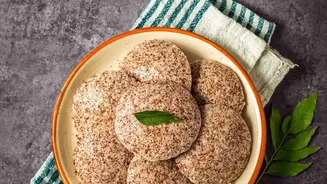
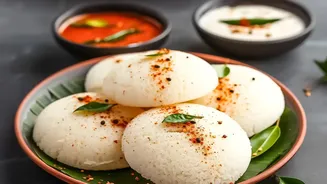
Once your batter is beautifully fermented, it's ready for steaming. Gently stir the batter once or twice; avoid mixing it vigorously, as this will deflate the air bubbles that make the idlis fluffy. The consistency should be pourable but not runny. If it’s too thick, you can add a small amount of water. Grease your idli moulds with a little oil or ghee, and pour the batter into each mould, filling it about three quarters full. Steam for about 12 to 15 minutes, or until a knife inserted into the centre comes out clean. Let them rest for a few minutes before demoulding. The result will be soft, light, and incredibly wholesome idlis.