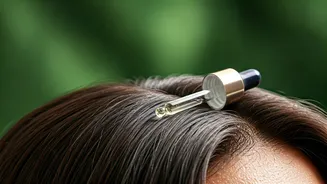









Why Monsoon Magnifies Hair Fall
The primary reason for increased hair fall during the monsoon is the spike in humidity. Your hair absorbs excess moisture from the air, causing the hair shaft to swell. This swelling weakens the hair's structure, making it brittle, fragile, and more prone
to breakage. Studies suggest hair fall can increase by up to 30% during this season. Furthermore, the constant dampness creates an ideal environment for fungal and bacterial growth on the scalp, leading to issues like dandruff and infections that can weaken hair roots. Pollutants in rainwater can also settle on the scalp, causing irritation and damage.
Your Monsoon Hair Washing Guide
Keeping your scalp clean is crucial, but over-washing can strip it of natural oils. Aim to wash your hair two to three times a week with a mild, sulphate-free shampoo. Using lukewarm water is preferable, as hot water can dry out the scalp. Always follow up with a conditioner, focusing on the lengths and ends of your hair. This replenishes moisture without weighing down the roots. If you do get caught in the rain, it’s a good idea to wash your hair as soon as possible to remove any pollutants or acidic residue.
Drying and Styling with Care
Wet hair is much more fragile and susceptible to breakage. Instead of vigorously rubbing your hair with a regular towel, gently squeeze out excess water using a soft microfiber towel to reduce friction. It's best to let your hair air-dry whenever possible. Avoid using heat-styling tools like straighteners and blow dryers, as the excessive heat can lead to more brittleness and damage. Most importantly, never tie your hair up when it's wet. Tying damp hair can create a breeding ground for fungus and puts physical stress on the weakened hair shafts, leading to breakage.
Nourish Your Hair from Within
A balanced diet is your first line of defense against seasonal hair fall. Your hair is primarily made of protein, so ensure you're consuming enough protein-rich foods like eggs, lentils, paneer, and fish. Iron is another critical nutrient; a deficiency can lead to hair loss. Load up on iron-rich foods such as spinach, dates, and beetroot. Vitamins and minerals play a huge role too. Biotin (found in eggs, almonds, and sweet potatoes) is crucial for hair strength. Vitamin C (abundant in amla, guava, and citrus fruits) helps with iron absorption and collagen production, strengthening the hair. Omega-3 fatty acids, found in walnuts and flaxseeds, nourish the scalp.
Simple Home Remedies for Stronger Hair
Simple, natural remedies can provide extra support during the monsoon. A warm oil massage with coconut, almond, or amla oil before shampooing can improve blood circulation and nourish the scalp. However, avoid excessive oiling, as it can clog pores in the humid weather. A hair mask made from fenugreek (methi) seeds, soaked overnight and ground into a paste, can help repair damage and promote growth. Aloe vera gel, applied directly to the scalp, can soothe irritation and maintain a healthy pH balance. Another popular remedy is applying onion juice to the scalp, which has antibacterial properties and can boost circulation.