




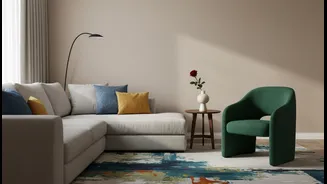


The Foundation: Why Natural Elements Work
Modern interiors can sometimes feel stark or cold, but the antidote is found in nature. Incorporating natural and nature-inspired elements grounds a space, making it feel more authentic, calming, and welcoming. This approach, sometimes called biophilic
design, is about connecting our indoor spaces with the soothing qualities of the outdoors. Materials like wood, woven fibres, and natural textiles trigger a sense of comfort and stability. They add depth and character that sleek, man-made materials often lack, creating a home that feels curated and well-loved rather than sterile. The goal isn't rustic clutter but intentional warmth.
The Appeal of Wood Accents
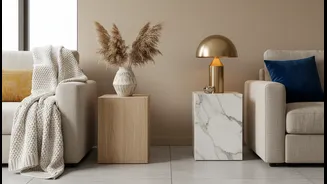
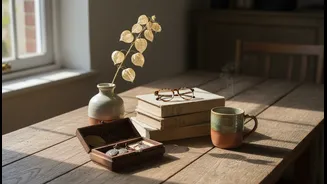
Wood is a timeless material that instantly adds warmth and character to any room. You don't need to install hardwood floors or panel an entire wall to feel its effect. Small, thoughtfully chosen wooden accents can make a significant impact. Consider a wooden side table to soften the clean lines of a modern sofa, or a set of handcrafted serving boards displayed on kitchen shelves. Even smaller items like picture frames, trays, or the base of a table lamp can introduce an earthy, organic feel. When selecting wood-look pieces, focus on similar tones to maintain a cohesive look, but don't worry about matching them perfectly. Visible grain and matte finishes often enhance the natural, cozy aesthetic.
Baskets for Texture and Tidiness
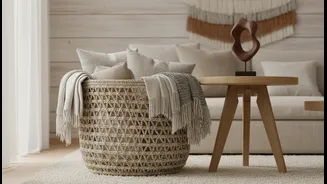
Baskets are design powerhouses, offering both practical storage and a dose of textural warmth. Made from materials like seagrass, rattan, and wicker, their woven construction adds a relaxed, handmade quality to a room. Use a large basket next to a sofa to hold rolled-up blankets or extra cushions, keeping your living room tidy while adding a cozy touch. On open shelves, a series of matching baskets can organize smaller items and reduce visual clutter. Baskets also make excellent and stylish planters for both real and faux plants, hiding plain plastic pots and enhancing the room's natural vibe. Whether placed under a console table or in a bedroom corner, a basket is a simple tool for both organisation and style.
The Power of Neutral Textures
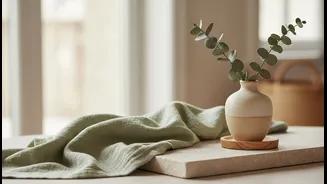
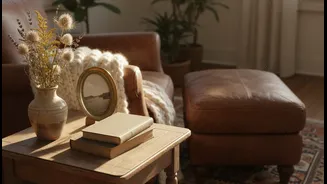
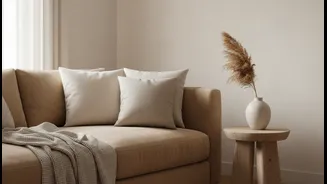
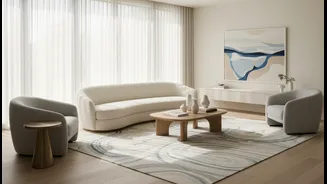
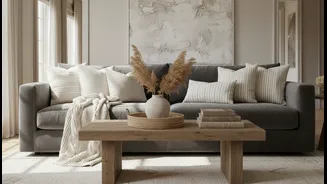
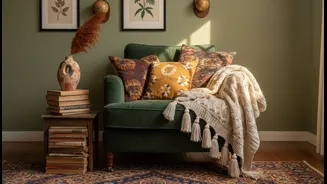
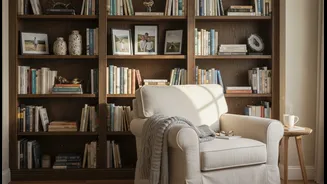
When a color palette is neutral, texture becomes the star. Layering different textiles is crucial to prevent a room from feeling flat or boring. Neutrals like beige, taupe, soft greys, and warm whites provide a calming backdrop that allows textures to shine. The key is to create contrast by mixing hard and soft materials. Pair a smooth leather chair with a nubby wool throw, or place a plush rug on a hard floor. Think about textiles you can touch and feel: linen curtains, cotton pillows, and chunky knit blankets. Draping a throw casually over a chair or layering pillows in different fabrics—like velvet, cotton, and linen—instantly makes a space more inviting. This layering of materials adds visual weight and a sensory richness that defines a comfortable home.
Creating a Harmonious Balance
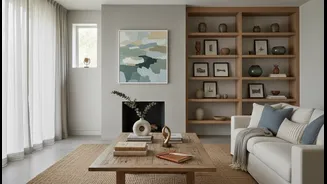
The art of creating a warm interior lies in balance. The goal is a layered, collected look, not a cluttered one. Start with a neutral foundation for your largest pieces, like the sofa and walls. This allows your wood accents, baskets, and textured accessories to stand out without overwhelming the space. Mix two or three dominant textures with more subtle ones, and leave some smooth surfaces to give the eye a place to rest. For example, a wooden coffee table can be balanced with a soft rug underneath and a ceramic vase on top. By thoughtfully combining these three elements—wood, baskets, and neutral textiles—you create a cohesive and deeply comforting environment that feels both sophisticated and effortlessly livable.