




Plan Your Menu Realistically
A traditional Sadhya can have over 26 dishes, a daunting task that often results in surplus. The key to a waste-free feast is smart menu planning. Start by confirming your guest count. Instead of attempting every dish, focus on a balanced selection. A manageable
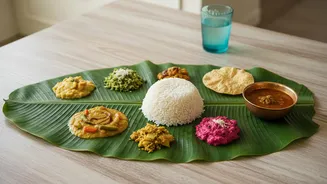
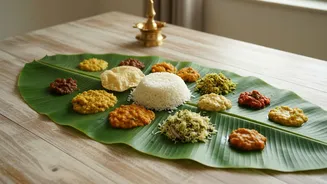
sadhya can include the essentials: red rice, parippu curry (lentils), sambar, avial (mixed vegetables), a thoran (stir-fried vegetable with coconut), a pachadi or kichadi (yogurt-based dishes), a pickle like puli inji, and a payasam for dessert. This selection provides the full spectrum of flavours—salty, spicy, sour, and sweet—that define a Sadhya. For a smaller gathering, you don't need to cook large quantities of every single dish. The variety itself is what makes the meal satisfying.
Master Portion Control
Calculating ingredient quantities is the most effective way to prevent waste. A helpful rule of thumb for a meal with many dishes is to prepare each side dish for about one-quarter of your total guest count. Since everyone takes small portions of many items, you don’t need a full serving of each dish for every person. For rice, a staple of the meal, you can reduce the usual quantity. A common practice is to calculate the amount of uncooked rice for your total guest count and then reduce it by about 25%, as the numerous side dishes will fill people up. This thoughtful calculation prevents a mountain of leftover rice at the end of the feast.
Smart Shopping and Staggered Prep
A zero-waste Sadhya begins with conscious shopping. Buy fresh, local, and seasonal vegetables, which are central to the feast's authentic flavour. This not only supports local farmers but also reduces the carbon footprint of your meal. Plan your shopping well in advance and stick to your list to avoid impulse buys that lead to waste. The preparation can be staggered over several days. Pickles and tangy curries like inji puli can be made three to four days ahead as their flavours improve with time. You can chop vegetables and grate coconut a day or two in advance and store them properly. Frying pappadums the day before and storing them in an airtight container is another time-saver. This organised approach makes the main cooking day less stressful and more focused.
The Art of Serving
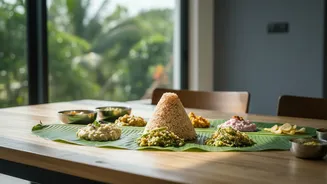
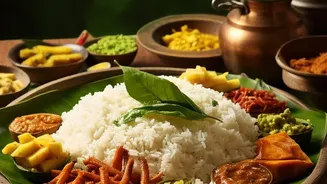
The traditional way of serving a Sadhya on a banana leaf is inherently mindful. Small portions of each curry and side dish are placed in a specific order on the leaf. This encourages diners to taste and appreciate each item. Start by serving just a small amount of each dish. You can always offer second helpings of favourites, which is a much better approach than loading up the leaf and having food go to waste. Serving the meal course by course, starting with parippu and ghee, then sambar, followed by rasam, also helps in pacing the meal and allows guests to gauge their appetite better.
Embrace Creative Leftovers
Even with the best planning, some leftovers are inevitable. Instead of seeing them as a burden, view them as an opportunity for creative new meals. Leftover avial and sambar can be mixed and lightly cooked to create a delicious, tangy side dish called 'pazhamkootan', which pairs wonderfully with dosa or idli. Extra thoran can be mixed into rice for a quick fried rice or used as a filling for dosas. Most Sadhya dishes store well in the refrigerator for a day or two, allowing you to enjoy the flavours of the feast without the pressure of finishing everything in one go. Thinking about post-Sadhya meals is the final step in a truly sustainable celebration.