





The Flaw in Flimsy Fixes
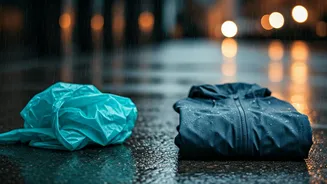
The disposable plastic poncho is a familiar sight on city streets during a sudden shower. It's cheap, accessible, and seems like a quick solution. However, its convenience is short-lived. These single-use items are notoriously fragile, often tearing with
a slight snag or a strong gust of wind, offering unreliable protection. Their biggest drawback is their environmental cost. Made from plastics like polyethylene, they are designed to be thrown away after one use. Most end up in landfills where they can take hundreds of years to break down, contributing to plastic pollution and greenhouse gas emissions. Even if they are technically recyclable, contamination with dirt and their thin nature makes the process difficult and inefficient.
The Smart Economic Choice
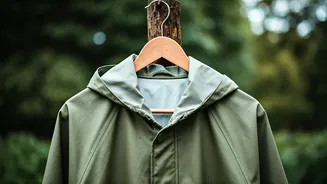
While a reusable rain jacket has a higher initial price, the long-term savings are significant. A quality jacket can cost anywhere from a budget-friendly ₹7,500 to a premium ₹30,000, but it is built to last for years. In contrast, repeatedly buying disposable ponchos adds up. If a commuter relies on single-use options frequently during a long monsoon season, the cumulative cost can easily surpass the one-time investment in a durable alternative. A quality rain jacket, with proper care, can last five to seven years or more, bringing the cost-per-use down to a negligible amount. This makes reusable gear not just an environmental choice, but a financially savvy one for the regular commuter.
A Leap in Comfort and Performance
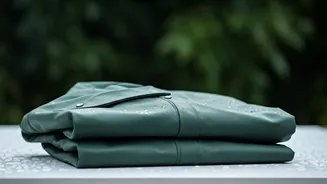
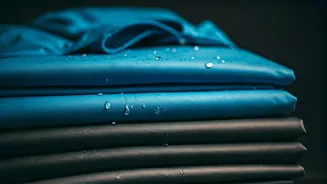
Modern rain gear is a world away from the sweaty, uncomfortable plastic sheets of the past. The biggest innovation is the development of waterproof breathable fabrics (WPB). Materials like Gore-Tex, or own-brand technologies from companies like Patagonia and The North Face, use membranes with microscopic pores. These pores are too small for liquid water droplets to pass through, keeping you dry from rain. However, they are large enough to allow smaller water vapour molecules—your sweat—to escape. This solves the 'garbage bag effect' where you end up just as wet from sweat as you would have been from the rain. Features like pit zips for ventilation, adjustable hoods, and taped seams further enhance comfort and protection, making the daily commute far more pleasant.
More Than Just Functional
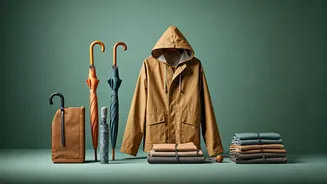
Rain gear is no longer purely about utility; it has become a staple of urban fashion, especially in a country with a prominent monsoon season like India. Brands now offer rain jackets in a wide array of colours and styles, from sleek, minimalist designs perfect for a corporate setting to vibrant hues that brighten up a gloomy day. The cut and fit have also evolved, with options that are stylish enough to be worn even when it's not raining. This fusion of function and fashion means commuters no longer have to compromise their personal style. A good rain jacket integrates seamlessly into their wardrobe, serving as a practical outer layer that also looks sharp and professional.
A Commitment to Sustainability
Beyond the personal benefits, the move towards reusable rain gear reflects a broader shift in consumer consciousness. As awareness grows around the impact of single-use plastics, many are seeking more sustainable options in all aspects of their lives. Choosing a durable rain jacket made from recycled materials and free of harmful chemicals (like PFCs) is a tangible way to reduce one's environmental footprint. Many outdoor and fashion brands are responding to this demand, focusing on fair trade production and creating products designed for longevity, directly countering the throwaway culture represented by disposable ponchos.