







Secure Your Home from Water and Electrical Risks
Before the heaviest rains begin, a thorough check of your home can prevent major issues. Inspect your roof, walls, and windows for any cracks or leaks that could let water in and lead to dampness or structural damage. Clear out clogged drains and gutters
to ensure rainwater flows away from your property, preventing waterlogging around your foundation. Electrical safety is paramount during this season. It's crucial to have a qualified electrician inspect your home's wiring for any faults or exposed wires. Never touch switches or electrical appliances with wet hands, and it's a wise practice to unplug non-essential electronics during severe thunderstorms to protect them from power surges. Consider installing a residual current circuit breaker (RCCB), which can automatically cut off the power supply in case of a leak or short circuit, preventing electric shocks.
Practice Caution While Driving and Commuting
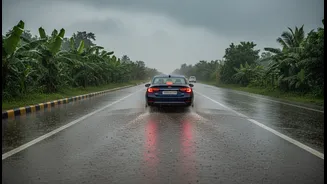
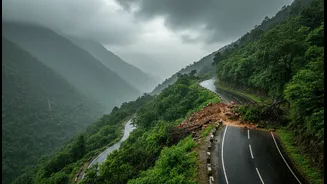
Roads become significantly more dangerous during the monsoon. Braking distances increase on wet surfaces, so it's essential to reduce your speed and maintain a much larger gap—at least double the usual distance—between your vehicle and the one ahead. Always use your low-beam headlights during the day for better visibility, as high beams can reflect off raindrops and impair vision for you and oncoming drivers. Be especially wary of waterlogged streets. It's difficult to judge the depth of standing water, which can hide open manholes or deep potholes. If you must drive through water, do so slowly in a low gear to prevent your engine from stalling. However, the safest option is to avoid flooded roads altogether. If visibility becomes extremely poor, pull over to a safe, elevated spot and wait for the rain to subside.
Safeguard Your Health and Hygiene
The monsoon season sees a rise in waterborne and vector-borne diseases like cholera, typhoid, dengue, and malaria. The most effective defence is to be vigilant about what you eat and drink. Avoid street food and raw vegetables, like salads, as they can be contaminated. Opt for fresh, home-cooked meals. Always drink boiled or filtered water to protect yourself from waterborne illnesses. To prevent mosquito breeding, ensure there is no stagnant water in or around your home—in coolers, flower pots, or any open containers. Wearing long-sleeved clothing and using mosquito repellents can further reduce the risk of bites. Personal hygiene, like washing your hands frequently with soap, is also critical in preventing the spread of infections.
Prepare a Monsoon Emergency Kit
In case of severe weather leading to power cuts or getting stranded, having an emergency kit can be a lifesaver. Your kit should be easily accessible and contain essential items. Stock up on non-perishable food items, clean drinking water, and a first-aid kit with antiseptic, bandages, and any personal medications. A powerful torch with extra batteries, a power bank for your mobile phone, and candles with a lighter or matches are crucial for dealing with power outages. It is also a good idea to keep important documents, such as identification and property papers, in a waterproof bag to protect them from water damage. Having these items ready means you are prepared to handle unexpected situations without panic.
Stay Informed with Official Weather Alerts
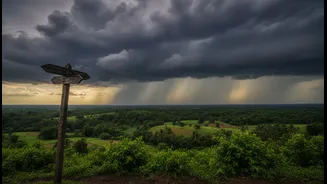
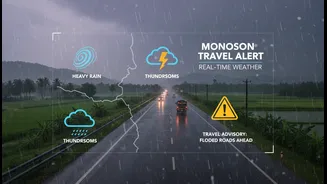
Weather conditions can change rapidly during the monsoon. Staying updated with reliable information is one of the best ways to stay safe. Follow forecasts and warnings from official sources like the India Meteorological Department (IMD) and local disaster management authorities. Many state authorities now have mobile apps, such as 'Damini' for lightning alerts, that provide real-time updates on severe weather. Paying attention to these alerts can help you make informed decisions, such as avoiding travel during a predicted downpour or taking necessary precautions before a storm hits. This proactive approach allows you to prepare for potential disruptions and ensures the well-being of you and your family.