




Your Monthly Check-In
A little prevention goes a long way. Once a month, take a few minutes to conduct a quick inspection of your home. Look under all sinks—in the kitchen and bathrooms—for any signs of moisture or slow drips. Check the pipes for condensation or water stains.
Run water in sinks and showers to ensure it drains quickly. A slow drain is often the first sign of a clog building up. Note any musty smells, particularly in closets or bathrooms, as this can be an early indicator of hidden moisture. In India, tenants are generally responsible for minor upkeep and flagging issues promptly. Catching these problems early makes them a simple fix rather than a major repair.
The Quarterly Deep Dive
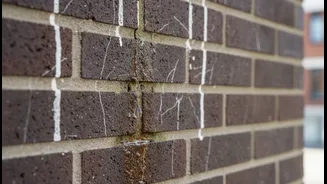
Every three months, it's wise to perform a more thorough check. This is especially important before and after the monsoon season. Inspect window and door seals for any gaps where water might enter. Look for damp patches or discolouration on walls and ceilings, which could signal a slow leak or seepage. Ensure your bathroom's exhaust fan is working correctly to help manage humidity. Check the areas around air conditioning units for any signs of water leakage. If your rental agreement makes you responsible for AC filters, this is a good time to clean or replace them to ensure efficient operation. Documenting any findings with photos can be helpful when you report them to your landlord.
An Emergency Plan for Leaks
A sudden leak can be stressful, but having a plan makes all the difference. The first step is to always know where the main water shut-off valve for your home is located. If a pipe bursts or a fixture fails catastrophically, shutting off the main supply immediately is crucial to prevent widespread damage. Once the water is off, use towels to contain and mop up any standing water to protect floors and furniture. Then, notify your landlord immediately about the situation. Prompt reporting is not just a courtesy; in many cases, failing to report a leak in a timely manner could make you liable for subsequent damages.
Tackling Damp Spots and Mould
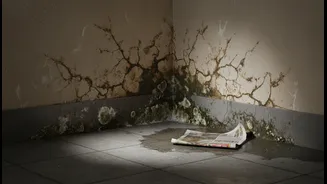
Dampness and mould thrive in humid, poorly ventilated spaces. To combat this, ensure good air circulation throughout your home by opening windows regularly. Use exhaust fans in the kitchen while cooking and in the bathroom after a shower to expel moist air. Leaving a small gap between furniture and exterior walls can also prevent moisture from getting trapped. If you spot a small amount of surface mould, you can often clean it with a household cleaner or a simple soap and water solution, ensuring the area is dried completely afterward. For large or recurring mould problems, which could indicate a bigger issue like a hidden leak, you must inform your landlord.
Simple and Safe Drain Maintenance
Blocked drains are a common nuisance. To prevent them, use drain strainers in sinks and showers to catch hair and food particles. Avoid pouring cooking grease or coffee grounds down the kitchen sink, as they can solidify and cause blockages. For a simple, preventative clean, you can periodically flush your drains with boiling water to dissolve soap scum and grease. If you notice a drain is running slow, a mixture of baking soda and vinegar can often resolve minor clogs. Pour about half a cup of baking soda followed by half a cup of vinegar down the drain, let it fizz for 15-30 minutes, and then flush with hot water.