



Beyond the Guidebook
The days of relying solely on dog-eared guidebooks and travel agents are fading fast. Today’s travel planning starts online, with a journey that moves from social media inspiration to detailed digital research long before a bag is packed. A 2026 survey
revealed that a staggering 72% of Indian travellers now discover new and offbeat destinations primarily through short-form videos like Instagram Reels. This initial spark of interest, often from a stunning visual or a compelling travel story, kicks off a deeper dive using a suite of digital tools. This shift empowers travellers to look beyond the usual tourist circuits and explore destinations that were once considered too remote or difficult to plan for. The modern travel journey is no longer linear; it's a fluid process of discovery, research, and validation, all happening on a screen.
Virtual Exploration Before You Go
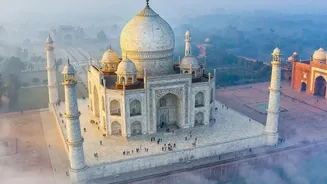
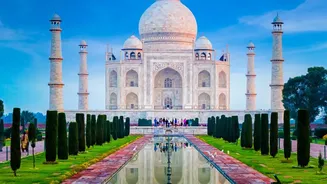
Imagine walking through the ancient ruins of Hampi or floating down the backwaters of Kerala without leaving your home. Virtual Reality (VR) and Augmented Reality (AR) are making this possible, transforming travel planning from a logistical task into an immersive experience. Companies and tourism boards now offer 360-degree virtual tours of monuments, hotels, and natural landscapes, allowing prospective visitors to get a real feel for a place. This “try before you buy” approach is invaluable for offbeat locations, as it helps manage expectations and build confidence in the destination. Iconic sites like the Taj Mahal can now be explored virtually, complete with audio guides, giving travellers a richer context before their physical visit. This technology not only enhances the planning phase but also makes tourism more accessible to a wider audience.
From Hashtag to Homestay
Social media platforms have become powerful engines for tourism, turning once-obscure places into trending destinations. The visual, user-generated content on platforms like Instagram and YouTube has a profound impact on how travellers perceive and choose their destinations. A single viral reel can put a place like Ziro Valley in Arunachal Pradesh or the serene beaches of Gokarna on the national travel map. According to recent data, 61% of Indian travellers have used AI tools like ChatGPT for travel planning in the last year, often to build customised itineraries based on inspiration found online. This synergy between social discovery and AI-powered planning is making complex trips simpler to organise. However, travellers still rely on trust signals, with 52% citing positive peer reviews as a critical factor before making a final booking.
Government Push for a Digital Ecosystem
Recognising this digital shift, the Indian government is actively building a more integrated tourism ecosystem. On World Tourism Day 2026, the Ministry of Tourism launched the National Digital Tourism Stack, an initiative in partnership with the Open Network for Digital Commerce (ONDC). This ambitious project aims to create a unified digital infrastructure where travellers can discover and book everything from homestays and local experiences to transport services across multiple participating platforms. The vision is a "One ticket, One pass" system, simplifying the currently fragmented booking process. By making smaller, local providers more discoverable and trustworthy, the initiative hopes to distribute tourist footfall more evenly across the country, supporting local economies and promoting lesser-known destinations under campaigns like Dekho Apna Desh 2.0.
Making the Itinerary Practical
Ultimately, the power of digital tourism lies in its ability to bridge the gap between a dreamy idea and a practical, executable plan. Beyond discovery, apps now provide crucial last-mile information. Travellers can check real-time road conditions, find reliable local transport options like bike taxis, and book homestays in remote areas with verified reviews. AI-powered features on platforms like the revamped Incredible India website offer personalised recommendations and real-time weather updates. This digital toolkit removes much of the uncertainty and risk associated with exploring off-the-beaten-path destinations. It empowers travellers to be more adventurous, confident, and informed, ensuring that the journey is as smooth as the destination is beautiful.