


Flat-Leaf vs. Curly: Know Your Parsley
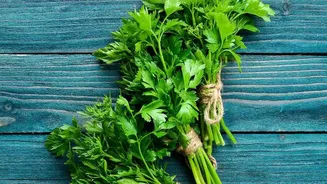
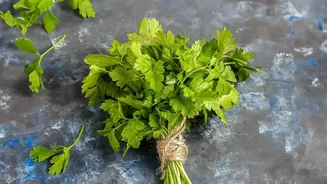
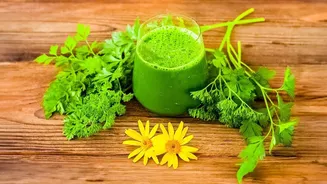
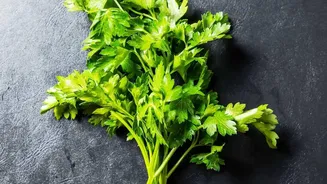
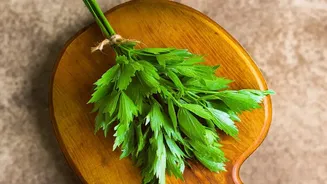
Before you start cooking, it's helpful to know the two main players in the parsley world. Flat-leaf parsley, also known as Italian parsley, has broad, dark green leaves and a robust, peppery flavour. This makes it the preferred choice for cooking, as its
taste holds up well in hot dishes like soups and sauces. Curly parsley has ruffled, crinkly leaves and a much milder, grassier taste. While it was a popular garnish in decades past for its decorative look, its flavour is less pronounced, making flat-leaf the more versatile option for adding distinct taste to your vegetables.
The Finishing Touch: Using Parsley Raw
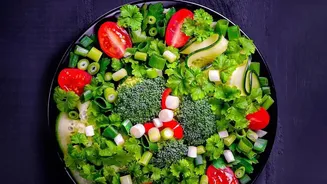
One of the best ways to capture parsley’s fresh, clean flavour is to use it raw. Adding a generous handful of chopped parsley at the end of cooking brightens everything up. For roasted or grilled vegetables like carrots, parsnips, and broccoli, a simple sprinkle of chopped parsley with a squeeze of lemon juice just before serving adds a zesty, fresh counterpoint to the caramelised flavours. It’s also a key ingredient in many fresh salads. Tabbouleh, a classic Middle Eastern salad, uses parsley as a main ingredient, not just a flavouring, combining it with bulgur, tomatoes, mint, and a lemon-oil dressing for a refreshing side dish.
The Green Heart of a Sauce: Gremolata and Pesto
Parsley serves as a fantastic base for vibrant green sauces that pair beautifully with vegetables. Gremolata is a classic Italian condiment made from finely chopped parsley, lemon zest, and minced garlic. Traditionally served with meat, it is an exceptional topping for roasted root vegetables, grilled zucchini, or steamed green beans, providing a punch of concentrated flavour. Parsley can also stand in for basil in a pesto. A parsley pesto, blended with nuts like walnuts or seeds like pumpkin seeds, garlic, parmesan cheese, and olive oil, creates a peppery and rich sauce. This can be tossed with roasted potatoes, mixed into a pasta dish with summer squash, or used as a flavourful base for a vegetable tart.
Cooking with Care
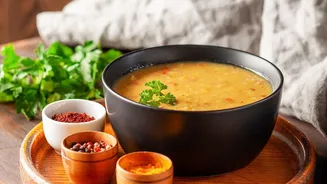
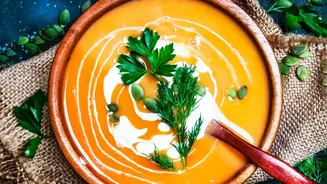
While raw parsley provides a fresh kick, it can also be cooked into dishes. The key is timing. To preserve its flavour and bright green colour, it’s best to add chopped parsley toward the end of the cooking process. When making a hearty vegetable soup or stew, stir in the parsley during the last few minutes of simmering. This warms the herb enough to release its aromatic oils without it becoming dull and grey. The stems, which have an even more intense flavour than the leaves, can be added to stocks or a bouquet garni at the beginning of cooking and removed before serving.
Perfect Vegetable Pairings
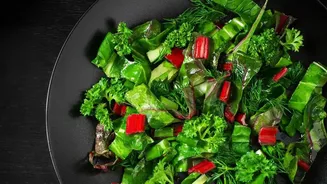
Parsley is a team player and works well with a wide variety of vegetables. Its clean taste cuts through the richness of starchy vegetables like potatoes and squash. It complements the earthy flavour of mushrooms and the sweetness of carrots, corn, and beets. It's a natural partner for tomatoes, both in raw salads and cooked sauces. Don't be afraid to use it generously; in many cuisines, parsley is treated more like a leafy green than a simple herb. From a simple side of buttered peas to a complex vegetable stew, a handful of parsley is rarely a bad addition.