








The Art of Mindful Snacking
Snacking isn't just about quieting a rumbling stomach; it's a strategic way to manage your energy, mood, and productivity. The secret is moving from mindless munching to mindful selection. Before you grab a snack, it's helpful to ask yourself why you're
eating. Are you truly hungry, or are you bored, stressed, or just eating out of habit? This simple pause is the first step. The most effective snack is one that's tailored to your specific needs in the moment. Factors like how hungry you are, the time of day, and your emotional state all play a crucial role in determining what you should eat. A snack that works perfectly for a mid-morning energy dip might not be the best choice for a pre-workout boost or a late-night craving.
Match the Snack to Your Hunger
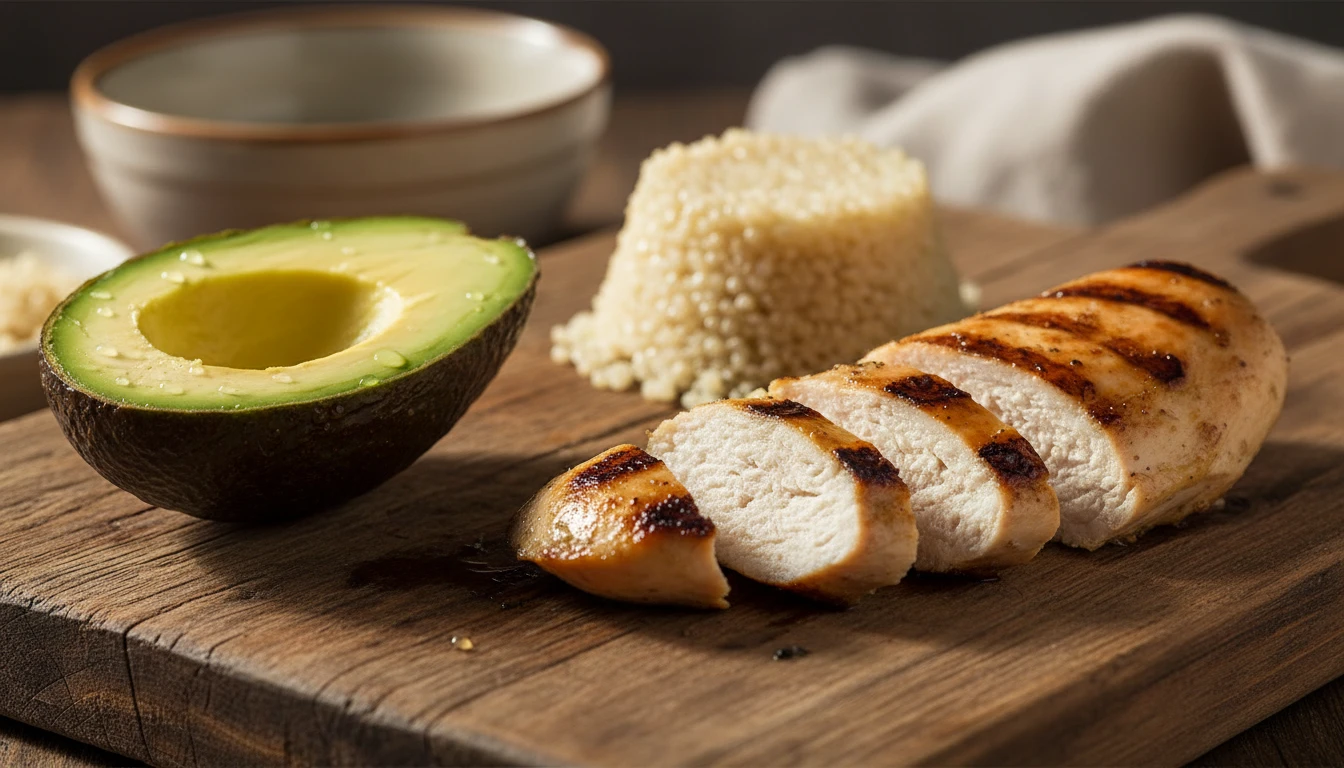
Not all hunger is created equal. Understanding the intensity of your hunger can guide you to the perfect portion and type of food. If you're just slightly peckish and need something to tide you over for an hour, a piece of fresh fruit or a small handful of almonds might be all you need. These options provide nutrients without being too heavy. However, if you're feeling genuinely hungry and it's been several hours since your last meal, you'll need something more substantial to prevent overeating later. This is where snacks containing a combination of protein, fiber, and healthy fats are most effective. Think Greek yogurt with berries, whole-grain crackers with hummus, or an apple with peanut butter. These combinations help stabilize blood sugar and provide sustained energy, keeping you full and focused for longer.
Timing Is Everything
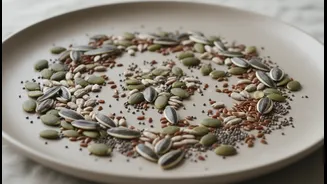
The time of day significantly influences your body's needs. A mid-morning snack, for instance, should be designed to maintain focus and energy until lunch. A combination of complex carbohydrates and protein, like oatmeal or avocado on whole-grain toast, provides a slow, steady release of glucose to the brain. An afternoon snack, often needed to combat the classic 3 p.m. slump, should do the same. A handful of nuts and seeds or a small portion of trail mix can provide sustained energy to power through the rest of the workday. Pre-workout snacks should be easily digestible and provide quick energy, while a post-workout snack should focus on protein to help repair muscles. As for late-night snacking, it's generally best to keep it light to avoid disrupting sleep. If you are hungry, a small bowl of whole-grain cereal with milk or a piece of fruit is a better option than something heavy or high in sugar.
Feed Your Mood
Our food choices are often deeply connected to our emotions. When you're feeling stressed, you might crave crunchy or salty foods. Instead of reaching for a bag of chips, try crunchy vegetables with dip or a handful of roasted chickpeas. When you're feeling tired and low on energy, your body might call for sugar. A piece of dark chocolate can provide a small boost from caffeine and flavonoids, while pairing fruit with a protein source offers more sustainable energy without the subsequent crash. Foods rich in omega-3 fatty acids, like walnuts and chia seeds, support brain health and have been linked to improved mood. Similarly, magnesium, found in almonds, bananas, and dark chocolate, can play a role in stress management. By understanding these connections, you can choose snacks that not only satisfy a craving but also provide genuine emotional and physiological support.