

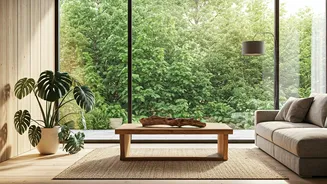


From Ornate to Organic
For years, Indian interior design often swung between two poles: heavily ornate, traditional styles and sleek, impersonal modernism. But now, a third way is emerging, one that prioritises comfort, sustainability, and a connection to the natural world.
This move towards 'natural décor' is driven by a collective desire for spaces that feel like a sanctuary—calm, breathable, and grounding. After years spent more time indoors than ever, we're seeking to bring the serenity of the outdoors in. It’s a design philosophy that values authenticity over perfection and well-being over ostentation. It’s less about showing off and more about feeling good in your own space.
The Power of Raw Materials
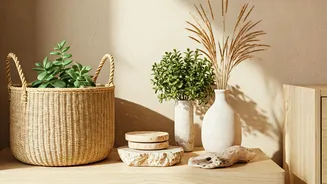
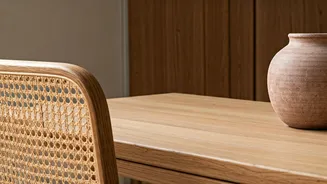
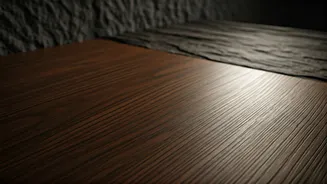
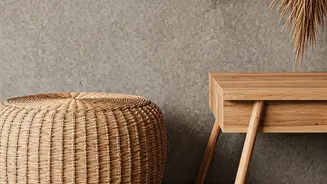
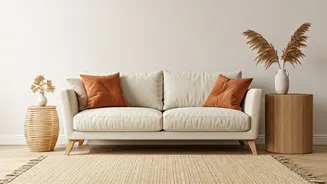
At the heart of this trend are materials that are unapologetically themselves. Think rattan and cane, once relegated to verandah furniture, now being shaped into chic headboards, cabinets, and light fixtures. Jute and sisal are no longer just for doormats; they are woven into large, statement-making rugs that anchor living rooms. Terracotta, with its earthy red hue, is appearing in planters, decorative tiles, and even as serving ware. Wood is celebrated in its most unpolished form—live-edge tables and raw-finish benches that showcase natural grains and imperfections. These materials bring texture, warmth, and a story of craftsmanship into our homes.
A Palette Inspired by the Earth
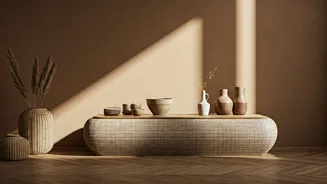
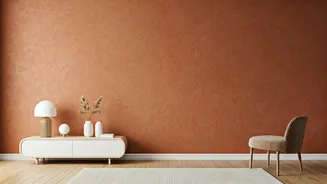
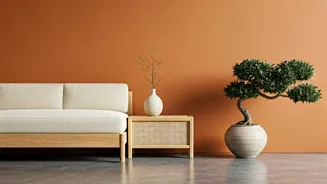
Forget jarring pop colours or stark whites. The natural décor palette is soothing and cohesive, drawn directly from landscapes. It’s a spectrum of warm neutrals: beige, cream, sand, and taupe create a serene backdrop. These are layered with earthy tones like terracotta, rust, and ochre, which add warmth without overwhelming the space. Shades of green, from deep forest to soft sage and olive, are essential, introduced through plants, textiles, and accent walls. This restrained colour scheme creates a calming atmosphere that reduces visual noise and promotes relaxation, allowing the textures of the materials to take centre stage.
Let It Grow: The Plant-Filled Home
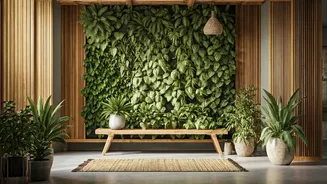
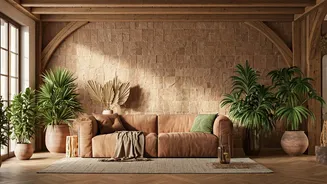
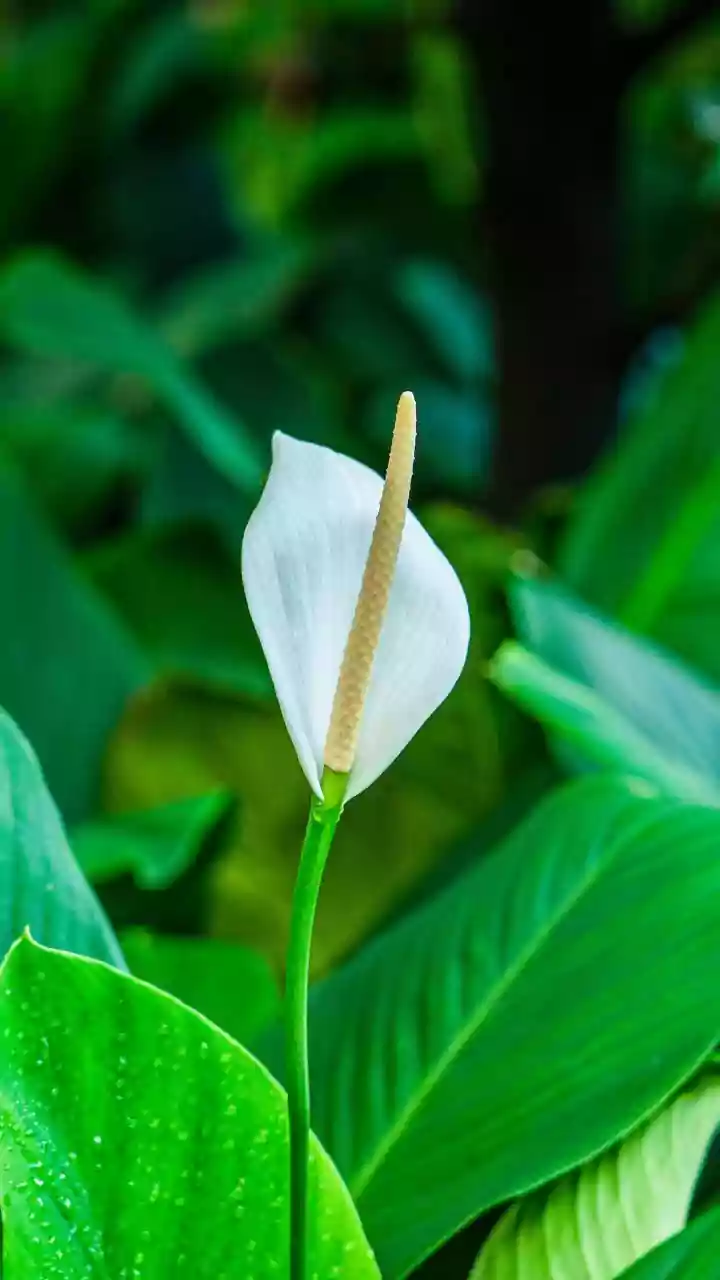
Biophilic design—the concept of connecting humans with nature—is a cornerstone of this movement. Houseplants are the most direct way to achieve this. They've become non-negotiable accessories, treated as living sculptures. Large, leafy plants like the Fiddle Leaf Fig or Monstera create dramatic focal points, while trailing plants like Pothos or String of Pearls soften shelves and window sills. Beyond their aesthetic appeal, plants are proven to boost mood, reduce stress, and improve indoor air quality. The act of caring for them also provides a mindful ritual, a welcome antidote to our fast-paced digital lives.
Conscious Choices and Local Craft
This trend is also deeply connected to a growing consciousness around sustainability and supporting local artisans. Homeowners are increasingly asking where their furniture comes from and who made it. Natural materials are often biodegradable and have a smaller carbon footprint than synthetic alternatives. More importantly, this aesthetic champions traditional Indian craftsmanship. It puts a spotlight on the weavers, potters, and carpenters whose skills have been passed down through generations. Choosing a hand-woven cane chair or a block-printed linen cushion is not just a design choice; it's a vote for preserving heritage and supporting small, local economies.
How to Start Small
Embracing natural décor doesn't require a complete overhaul. You can introduce this calming aesthetic into your home with a few simple additions. Start with textiles: swap synthetic cushion covers for ones made of cotton or linen. Add a small jute rug to a corner or under a coffee table. Bring in some greenery with a few low-maintenance plants in terracotta pots. Visit a local crafts fair or market for a unique handmade vase or a woven wall hanging. Even a simple wooden bowl on your dining table can add a touch of organic warmth. The key is to choose pieces that feel authentic to you and create a sense of peace.