


That vibrant, sunny orange of a ripe mango or the deep, sunset hue of a papaya is more than just beautiful. It’s a sign of potent nutrients at work. But are the pigments in these two beloved fruits the same? Let's break it down.
The Colourful World of Carotenoids
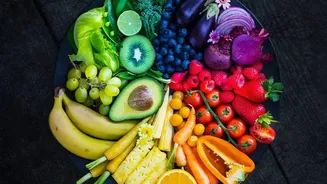
The brilliant oranges and
yellows in many fruits and vegetables come from a family of natural pigments called carotenoids. These compounds do more than just provide colour; they are powerful antioxidants that protect plant cells from damage, and they offer significant health benefits when we eat them. As a fruit like a mango ripens, the green chlorophyll breaks down, allowing the yellow and orange carotenoids that were always there to finally show through. In our bodies, these pigments go to work, with some of the most well-known being beta-carotene and lycopene. While both are carotenoids, they play very different roles in our health.
Mango: The Beta-Carotene Champion
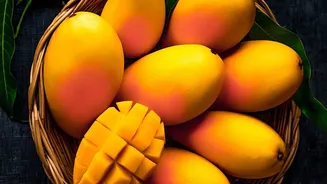
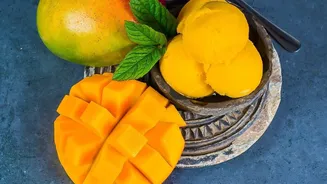
The signature golden-orange colour of most mango varieties comes from one primary pigment: beta-carotene. In fact, the deeper the orange colour of the mango's flesh, the higher its concentration of this valuable compound tends to be. The main job of beta-carotene is to act as a 'provitamin A'. This means our bodies can convert it into vitamin A, an essential nutrient for maintaining healthy vision, supporting a strong immune system, and promoting skin health. Mangoes are an excellent source of this nutrient, with some varieties providing a significant portion of the recommended daily value of vitamin A from a single serving. Beyond its conversion to vitamin A, beta-carotene also functions as an antioxidant, helping to protect our cells from damage.
Papaya: A Powerful Mix with Lycopene
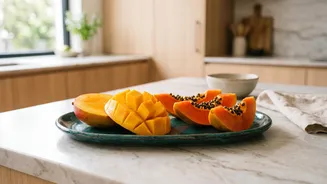
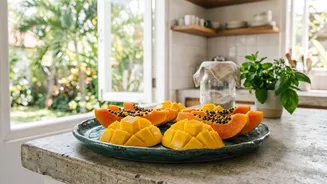
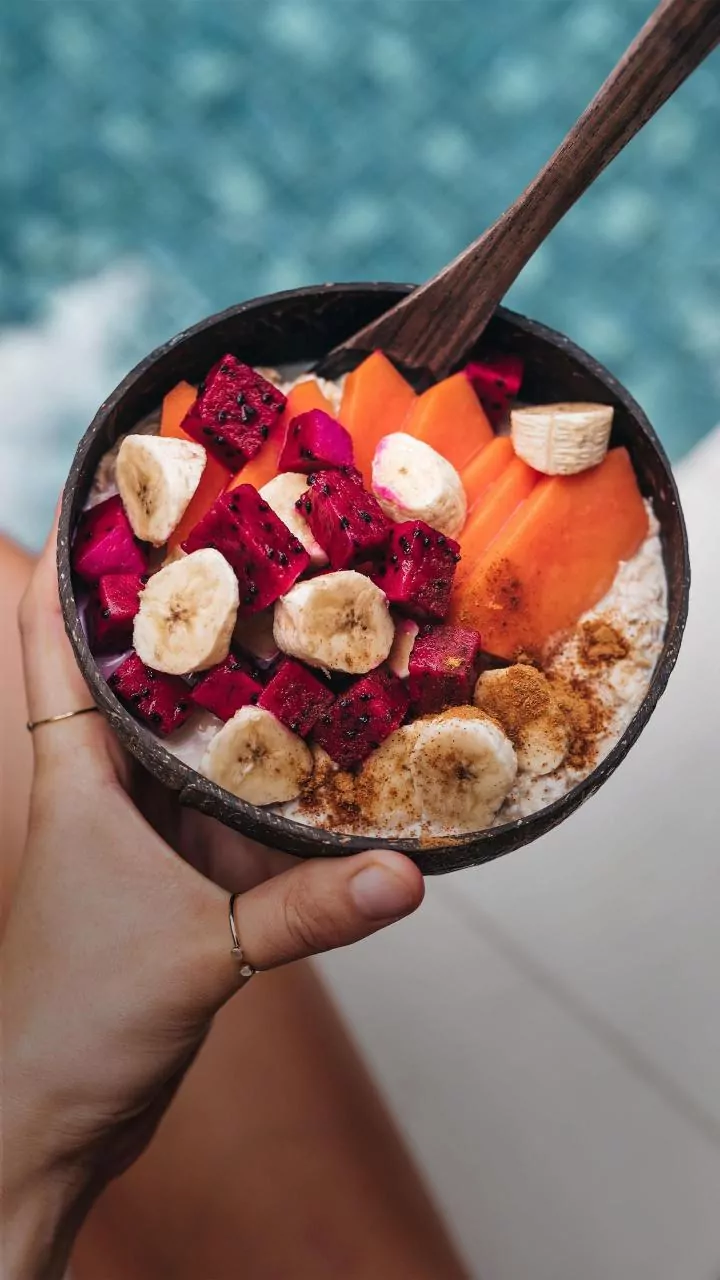
Papayas also get their beautiful colour from carotenoids, including some beta-carotene. However, what makes many red-fleshed papaya varieties special is their significant content of a different pigment: lycopene. This is the same powerful antioxidant that gives tomatoes and watermelon their rich red colour. Unlike beta-carotene, lycopene does not convert into vitamin A in the body. Instead, its primary role is as a potent antioxidant, and some studies suggest it is even more effective at neutralising certain types of free radicals than beta-carotene. Research has linked lycopene to supporting heart health and protecting skin. Interestingly, studies suggest the carotenoids in papaya may be more easily absorbed by our bodies than those from carrots or tomatoes.
The Nutritional Verdict
So, which fruit is 'better'? The answer depends on what your body needs. If you are looking to boost your vitamin A intake for eye and immune health, the mango is a clear winner due to its high concentration of beta_carotene. A one_cup serving of mango provides substantially more beta_carotene than the same amount of papaya. On the other hand, if you want to broaden your intake of powerful antioxidants, papaya offers a unique advantage with its bioavailable lycopene, a compound not found in significant amounts in mangoes. Both fruits are fantastic sources of vitamin C and dietary fibre, which aid in everything from collagen production for healthy skin to supporting good digestion. Ultimately, they don't compete; they complement each other, offering different but equally valuable nutritional profiles.