

The Building Blocks of Life
First, a quick refresher on what proteins are and why they matter. Proteins are crucial for almost everything your body does, from building and repairing tissues like muscle to making enzymes and hormones. They are made up of smaller units called amino
acids. There are 20 different amino acids, but nine of them are called 'essential' amino acids. Our bodies can't produce these nine on their own, so we must get them from the food we eat. This list includes histidine, isoleucine, leucine, lysine, methionine, phenylalanine, threonine, tryptophan, and valine.
What Is a Complete Protein?
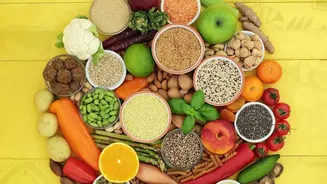
A food is considered a 'complete protein' when it contains all nine essential amino acids in sufficient amounts. While many animal products are complete proteins, most plant-based foods are 'incomplete', meaning they are low in one or more of these essential amino acids. This has led to the myth that it's difficult to get adequate protein on a vegan or vegetarian diet. However, the reality is much simpler. By combining different plant foods, a practice known as protein complementation, you can easily cover all your amino acid needs. The key is variety, as different plants have different strengths. You don't even need to eat them in the same meal; consuming them throughout the same day is effective.
Tofu: A Plant-Based Powerhouse
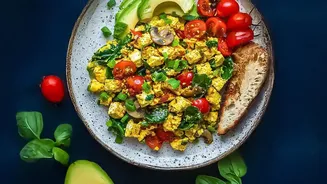
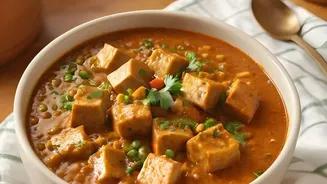
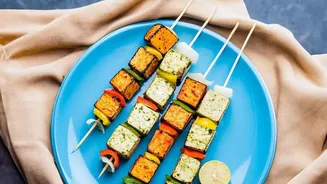
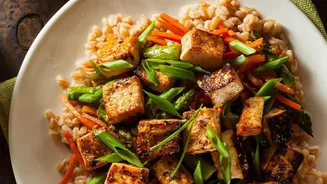
Tofu, which is made from soybeans, is one of the few plant-based foods that is considered a complete protein all on its own. It contains all nine essential amino acids, making it an excellent foundation for any plant-rich meal. It's particularly rich in lysine, an amino acid that can be limited in some other plant proteins. A 100-gram serving can provide a substantial amount of protein, rivaling some animal sources in terms of quality but with less saturated fat and more fibre.
Lentils: The Lysine-Rich Legume
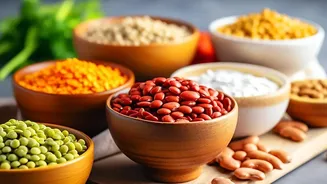
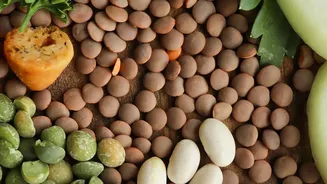
Lentils are a nutritional heavyweight in the legume family. They are packed with protein, fibre, and essential minerals. In terms of amino acids, lentils are a fantastic source of lysine. However, like many legumes, they tend to be lower in the sulfur-containing amino acids methionine and cysteine. This is where food pairing becomes so powerful. While lentils aren't typically considered a complete protein on their own, they excel at providing the amino acids that grains and some seeds lack.
Pumpkin Seeds: The Methionine Boost
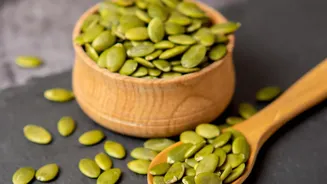
Pumpkin seeds, also known as pepitas, are more than just a crunchy snack; they are a nutritional gem. They are celebrated for containing all nine essential amino acids, making them a complete protein. Crucially, they are a good source of methionine, the very amino acid that is often limited in legumes like lentils. They also provide other important amino acids like tryptophan and valine, along with healthy fats and minerals like magnesium and zinc.
Better Together: The Plant-Powered Synergy
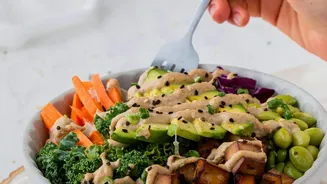
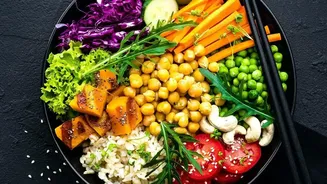
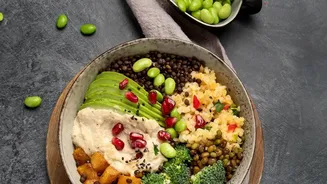
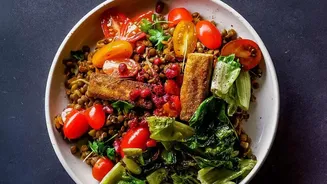
When you combine tofu, lentils, and pumpkin seeds, you create a meal with an exceptionally strong and high-quality amino acid profile. Tofu provides a complete base. The lentils deliver a major boost of lysine, complementing many plant-based staples. The pumpkin seeds then fill in the gaps, notably by providing methionine, which balances the lower levels found in the lentils. This trio works in perfect harmony. Each ingredient compensates for the potential limitations of the others, ensuring you are consuming a robust spectrum of all nine essential amino acids needed for optimal health, muscle repair, and overall well-being.