


A Quintessential Monsoon Ritual
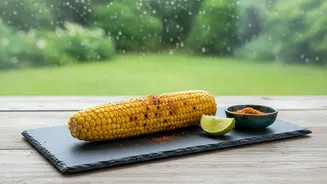
There are few experiences as quintessentially Indian as huddling under a makeshift awning, watching a vendor fan hot coals that crackle and glow in the grey afternoon light. The air gets thick with the smell of charring corn husks. The vendor, a master
of this simple craft, expertly turns the cobs until they are tender and flecked with black. Then comes the final, flavourful flourish: half a lemon is dipped into a fiery mix of salt, chilli powder, and chaat masala and rubbed vigorously over the hot kernels. That first bite—smoky, tangy, spicy, and slightly sweet—is the taste of the monsoon itself, a simple pleasure that connects people across cities, towns, and highways.
The Tale of Two Corns
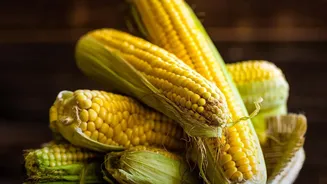
Not all bhutta is created equal, and the monsoon season has a secret. While the uniformly sweet, juicy American sweet corn is available year-round in cafes and supermarkets, the star of the streets is often the indigenous 'desi makai'. This native Indian variety, which has its peak harvest season during the rains, is starchier, chewier, and possesses a more robust, earthy flavour. American sweet corn may contain three to five times more sugar, making it better suited for boiling or steaming. The desi bhutta, however, with its lower sugar content and heartier texture, is perfect for roasting over an open flame, which caramelises its natural sugars and enhances its smoky taste. This makes it not only a tastier choice for roasting but also a healthier one, with a lower glycemic index and higher fibre content.
The Keepers of the Flame
The bhutta tradition is a vital part of India's vast informal economy. For countless vendors, often called 'bhuttawallas', the arrival of the monsoon signals their busiest and most crucial earning period. Setting up shop requires minimal investment—a small cart, a bag of charcoal, and a supply of fresh corn are often all that is needed. These small-scale entrepreneurs are custodians of an authentic experience that cannot be replicated in a commercial kitchen. Their skill is in knowing exactly when the corn is perfectly cooked, achieving that ideal balance between tender and charred. Every bhutta sold is a direct transaction that supports these vendors and their families, preserving a livelihood that is as seasonal as the craving itself.
A Tradition Under Pressure
Despite its enduring popularity, this humble tradition faces modern challenges. The life of a street vendor in India is often precarious. Many operate without official licenses, leaving them vulnerable to harassment and the constant threat of eviction. They work long hours exposed to the elements and pollution, with little to no social security. Furthermore, as urban tastes evolve, the rustic desi bhutta competes with an ever-growing array of packaged and fast-food snacks. While bhutta is considered a relatively safe and healthy street food option since it's served hot off the coals, the vendors themselves navigate a difficult economic landscape.
An Enduring Cultural Connection
So why does the bhutta endure? Its appeal lies in its simplicity and authenticity. It’s a snack that is both deeply personal and universally shared, evoking powerful feelings of nostalgia for people from all walks of life. It’s the taste of childhood holidays, of sheltering from a sudden downpour with friends, of long drives on rain-slicked roads. In a world of complex, processed foods, the roasted corn on the cob remains a direct link to the season, a healthier indulgence compared to the deep-fried alternatives that also call out during the monsoon. It’s more than just a snack; it's a multi-sensory experience and a cherished cultural ritual.